
HRV Content
- Apple Watch HRV Genauigkeit
- Beste HRV Tracker
- Was ist eine gute HRV?
- HRV nach Alkohol
- HRV und Stress
- HRV nach Alter
- HRV Chart – typische HRV Bereiche
- Was ist HRV? Herzratenvariabilität erklärt
- Was beeinflusst HRV
- HRV Metrik
- HRV Gesundheitsguide
- Apple Watch HRV Accuracy
- Best HRV Wearables
- What is a Good HRV?
- HRV After Alcohol
- HRV and Stress
- HRV by Age Chart
- HRV Chart – Typical Heart Rate Variability Ranges
- What is HRV? Heart Rate Variability Explained
- What Affects HRV
- Heart Rate Variability
- HRV Health Guide
HRV Health Guide: Understanding Heart Rate Variability for Optimal Wellness
In recent years, Heart Rate Variability (HRV) has gained considerable attention as a key indicator of overall health and wellness. This guide aims to explain what HRV is, its interpretation, relevance with wearable technology, and practical applications for everyday life.
What is Heart Rate Variability (HRV)?
Heart Rate Variability (HRV) refers to the variation in time intervals between consecutive heartbeats. Unlike a stable and consistent heart rate, a healthy HRV means that the intervals between heartbeats fluctuate. This fluctuation is a reflection of the autonomic nervous system (ANS), which regulates bodily functions such as heart rate, digestion, and respiratory rate.
A higher HRV is generally an indication of a well-functioning ANS, while a lower HRV may signal stress, fatigue, or health issues. Understanding HRV can provide insights into our emotional and physiological states, making it an important marker for health.
How to Interpret HRV Data
Interpreting HRV data requires knowledge of a few key metrics:
Key Metrics for HRV
- R-R Interval: The time between two R-wave peaks in ECG signals. It is the foundation for calculating HRV.
- Low Frequency (LF): Often linked to the sympathetic nervous system, this frequency reflects stress and energy expenditure.
- High Frequency (HF): Associated with the parasympathetic nervous system, this frequency reflects relaxation and recovery.
- Total Power: A combined measure of both the LF and HF components, this provides a broader view of HRV.
- SDNN (Standard Deviation of NN intervals): A comprehensive measure that reflects overall variability; higher values indicate better health and resilience.
Interpreting Your HRV
- High HRV: Signifies relaxation, recovery, and good cardiovascular fitness. It indicates a balanced ANS and a body that can effectively cope with stress.
- Moderate HRV: Suggests a need for improved lifestyle choices. It may indicate that while your body is generally healthy, some stress management or recovery strategies could enhance function.
- Low HRV: Indicates potential issues, such as chronic stress, fatigue, or an impending illness. A lower HRV should prompt attention to lifestyle factors.
Wearable Technology and HRV
Wearable health technology has revolutionized how we monitor HRV. Smartwatches, fitness bands, and dedicated HRV monitors can track your heart rate data and provide insights into your health in real time.
Benefits of Wearable HRV Monitoring
- Real-time Data: Instant access to your HRV metrics helps you adapt your lifestyle and routines on the fly.
- Longitudinal Tracking: Measure changes to see trends over time, which can inform your stress levels, fitness improvements, or recovery status.
- Personalized Insights: Many wearables can recommend changes to your training or relaxation techniques based on your HRV readings.
- Alerts: Some devices can alert you to significant drops in HRV or prolonged periods of low variability, prompting proactive health measures.
Popular Wearable Devices for HRV Monitoring
Here are some popular wearables that accurately track HRV metrics:
- Apple Watch: Offers daily HRV tracking and integrates with the Health app for broader insights.
- Garmin Watches: Provides advanced HRV metrics as part of their fitness tracking suite.
- Fitbit Devices: Allows you to monitor HRV trends through its app.
- WHOOP Strap: Provides detailed insights into recovery and strain, emphasizing HRV metrics.
Practical Use of HRV Data
Understanding and applying HRV data can significantly enhance your overall health strategy. Here are some practical ways to use HRV insights:
Strategies for Improving HRV
- Breathing Exercises: Simple techniques, such as deep breathing or paced breathing, can boost vagal tone and improve HRV.
- Quality Sleep: Ensuring 7-9 hours of uninterrupted sleep can enhance recovery and improve HRV.
- Regular Exercise: Engaging in moderate exercise, especially aerobic activities, can improve your HRV over time.
- Mindfulness Practices: Activities such as meditation, yoga, or tai chi can help reduce stress and enhance HRV.
- Avoid Excess Stimulants: Limit caffeine and sugar intake, particularly if you're experiencing high stress or anxiety.
When to Seek Professional Guidance
While HRV is a useful metric for assessing well-being, there are instances when a healthcare professional should be consulted:
- If consistent low HRV values are detected over time.
- If you experience symptoms such as fatigue, anxiety, or physical discomfort alongside low HRV.
- When making significant changes to your lifestyle that could impact your health severely.
Conclusion
Monitoring Heart Rate Variability is an empowering tool for managing your health. By understanding HRV, interpreting your data accurately, and utilizing wearable technology effectively, you can optimize your wellness journey. With a blend of awareness and technology, you are well on your way to better health and well-being. Always remember that while HRV is a valuable health indicator, it should be considered as part of a holistic approach to health involving consistent lifestyle practices and, when necessary, professional medical advice.
Recommended HRV Trackers
Understand Your Health Data
LongLife Scan analyzes wearable health data and helps you understand patterns in stress, sleep and recovery.
Try LongLife ScanRelated Metrics

Health Metrics
Overview of wearable health metrics including HRV, VO2max, sleep and recovery.
View Metric →
Related Charts
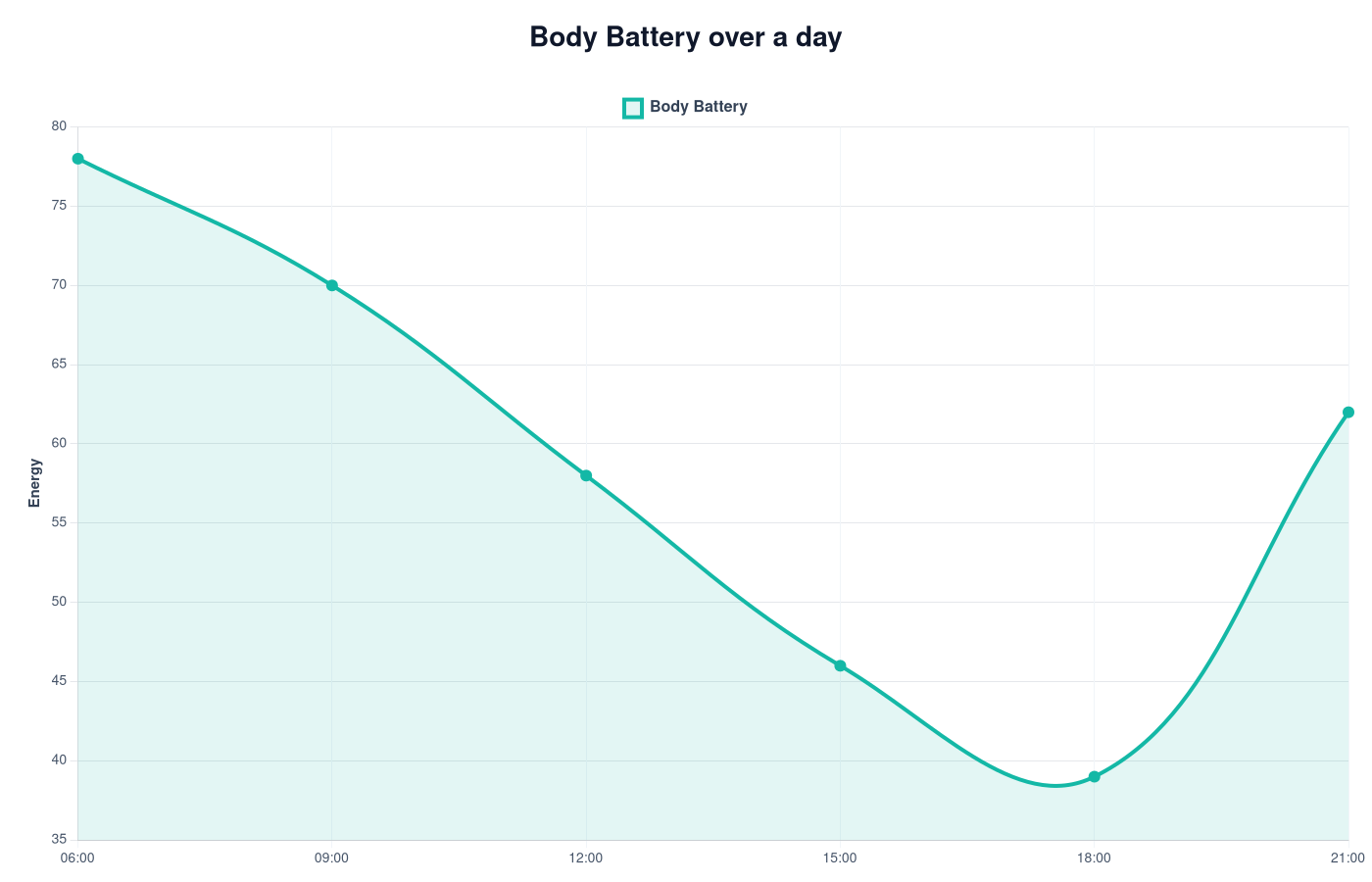
Body Battery Chart
Body Battery charts show how wearable devices estimate energy, recovery and stress patterns during the day.
View Chart →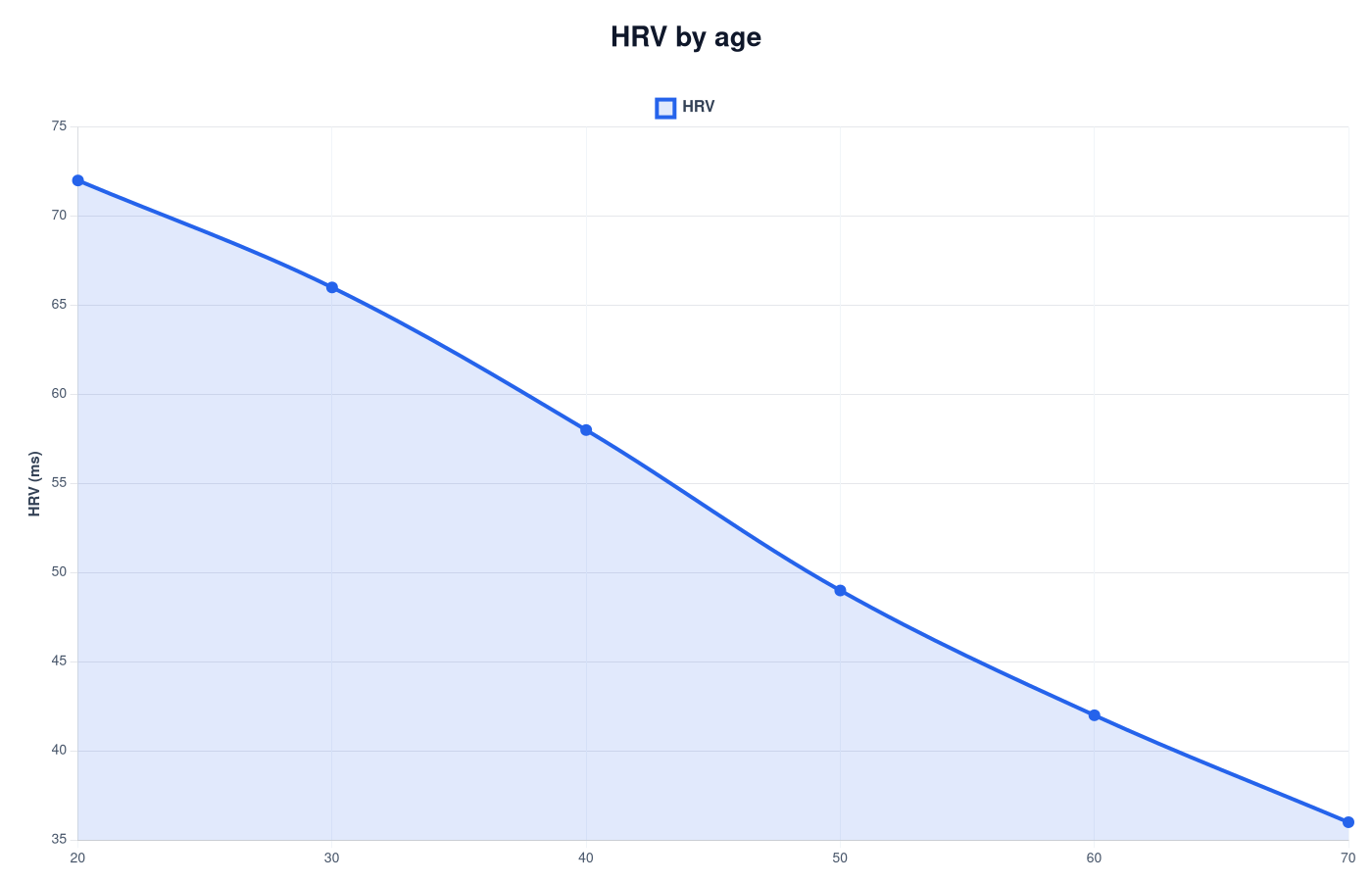
HRV Chart – Typical Heart Rate Variability Ranges
HRV trends show recovery and stress patterns over time.
View Chart →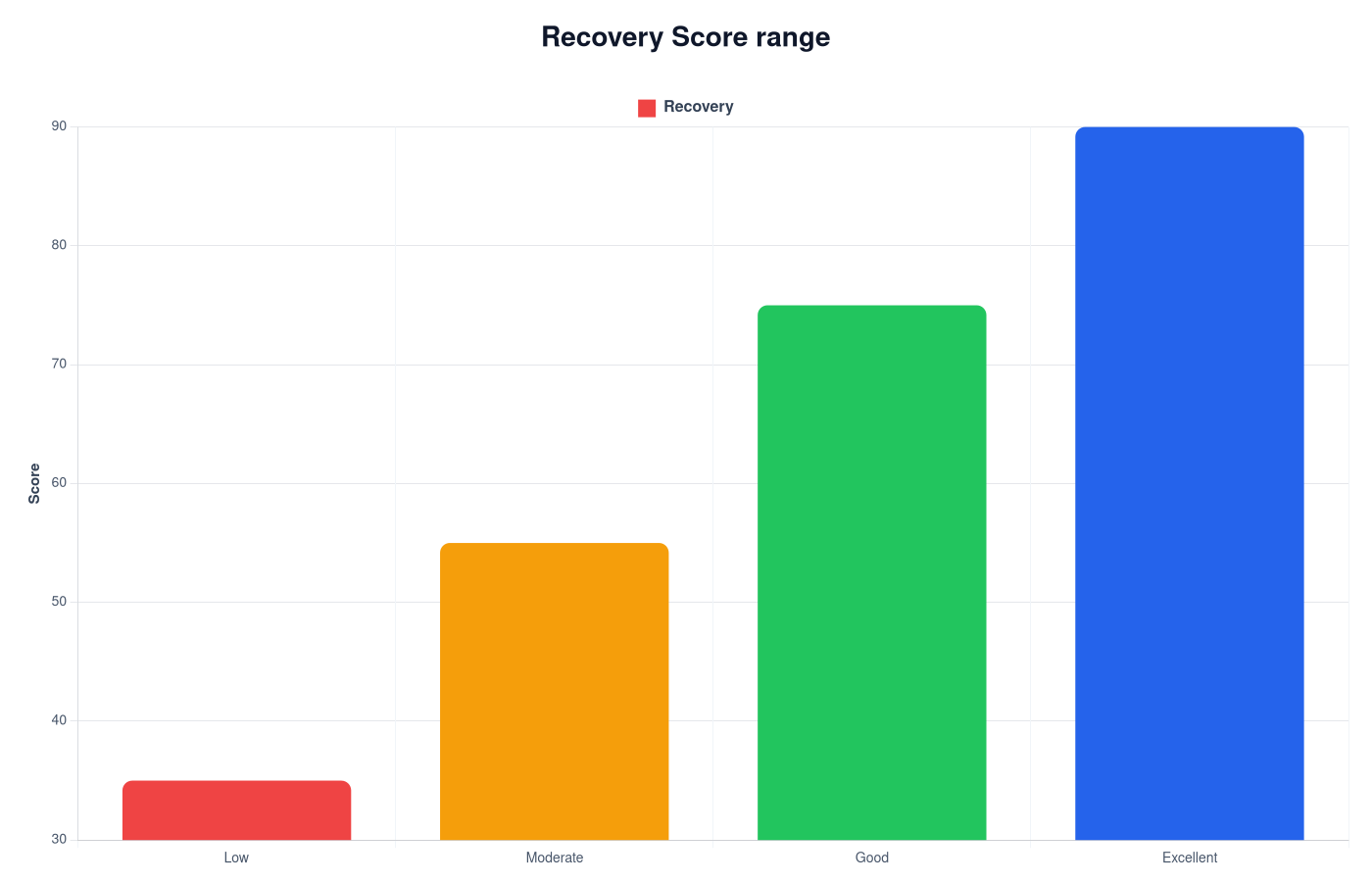
Recovery Score Chart
Recovery score charts show how wearables combine HRV, sleep and stress signals into one readiness value.
View Chart →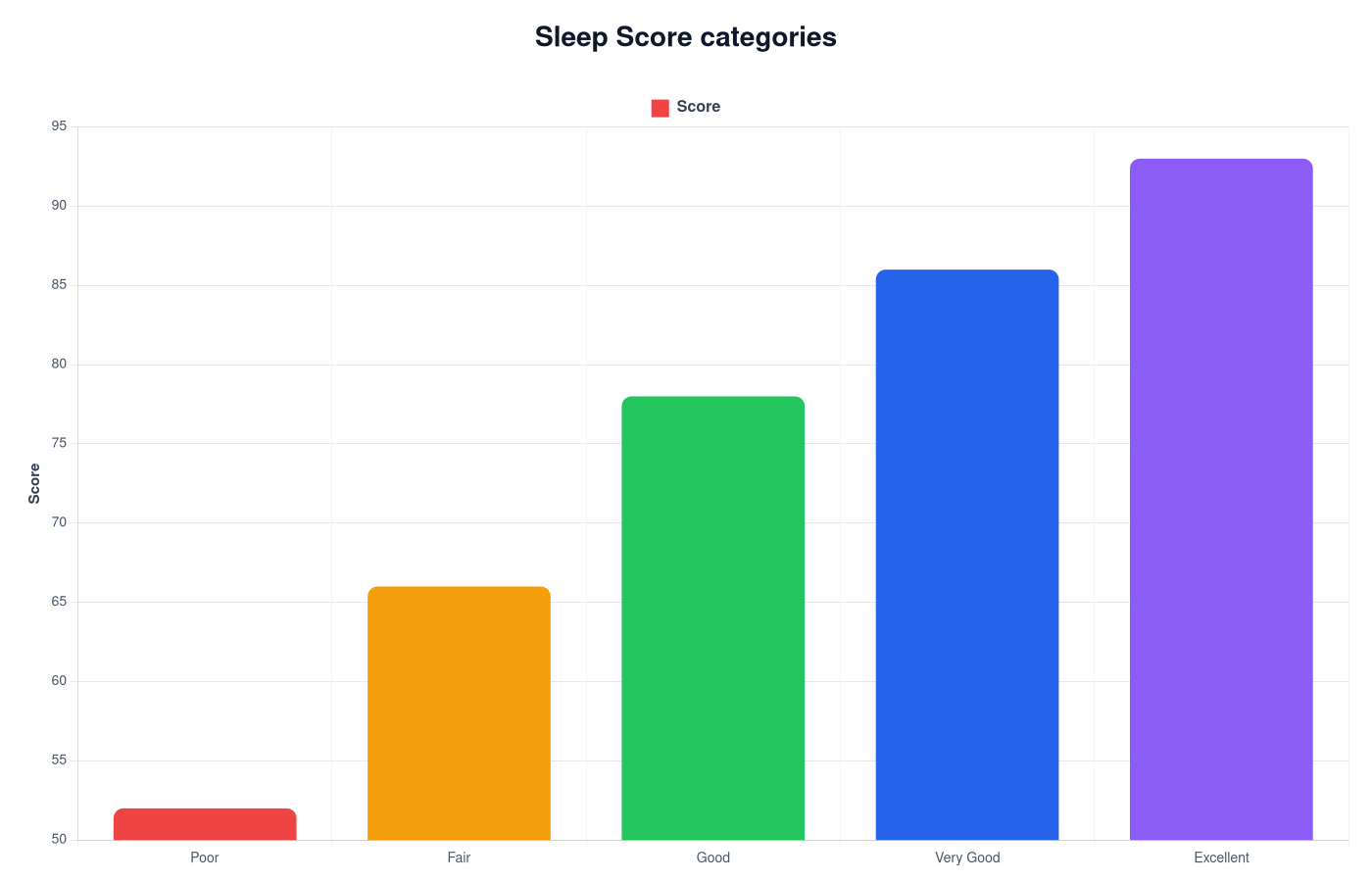
Sleep Score Chart – Sleep Quality Explained
Sleep score charts show typical score ranges and help interpret wearable sleep quality estimates.
View Chart →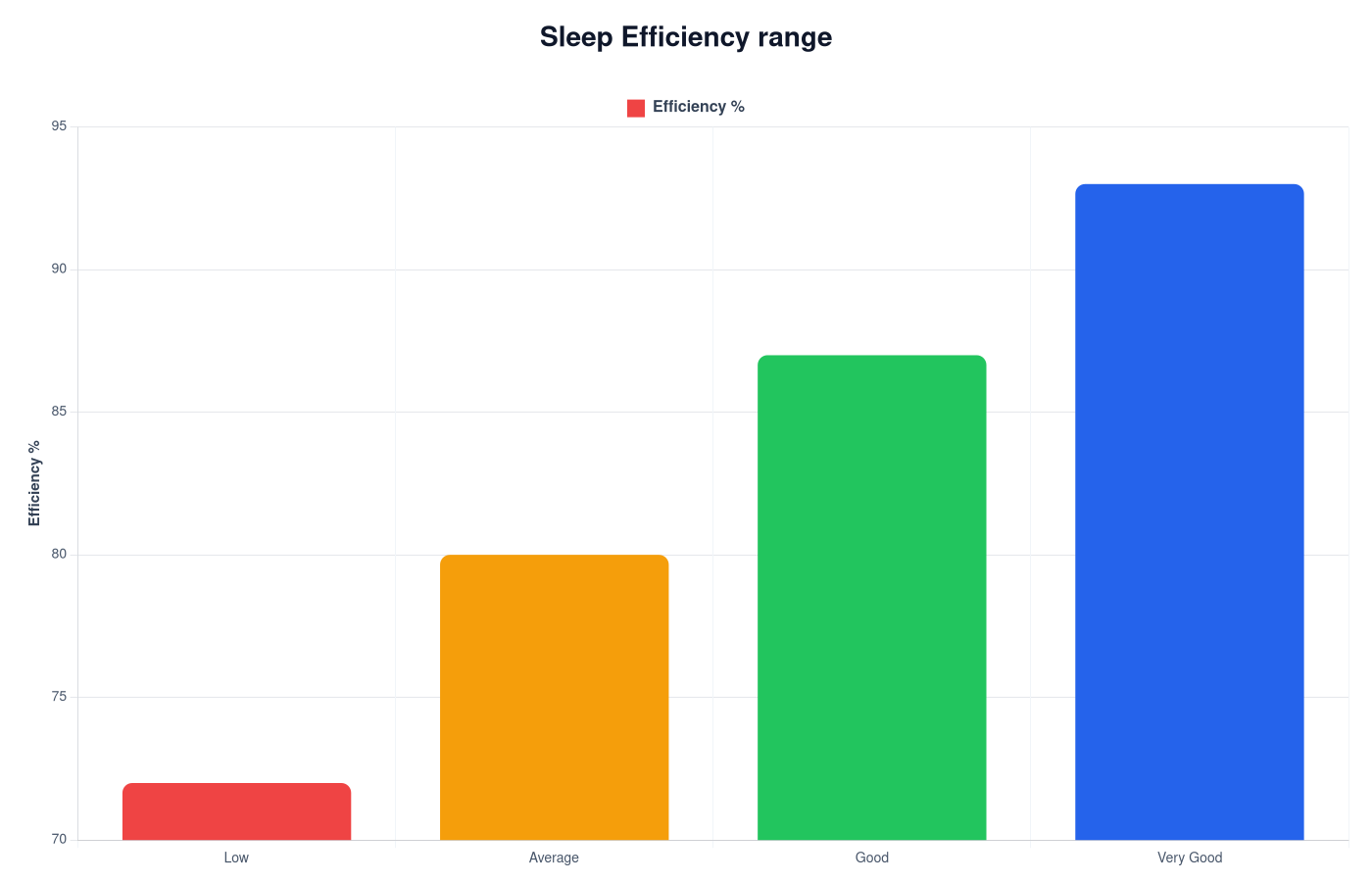
Sleep Efficiency Chart
Sleep efficiency charts show how much of your time in bed is spent sleeping and help interpret sleep continuity.
View Chart →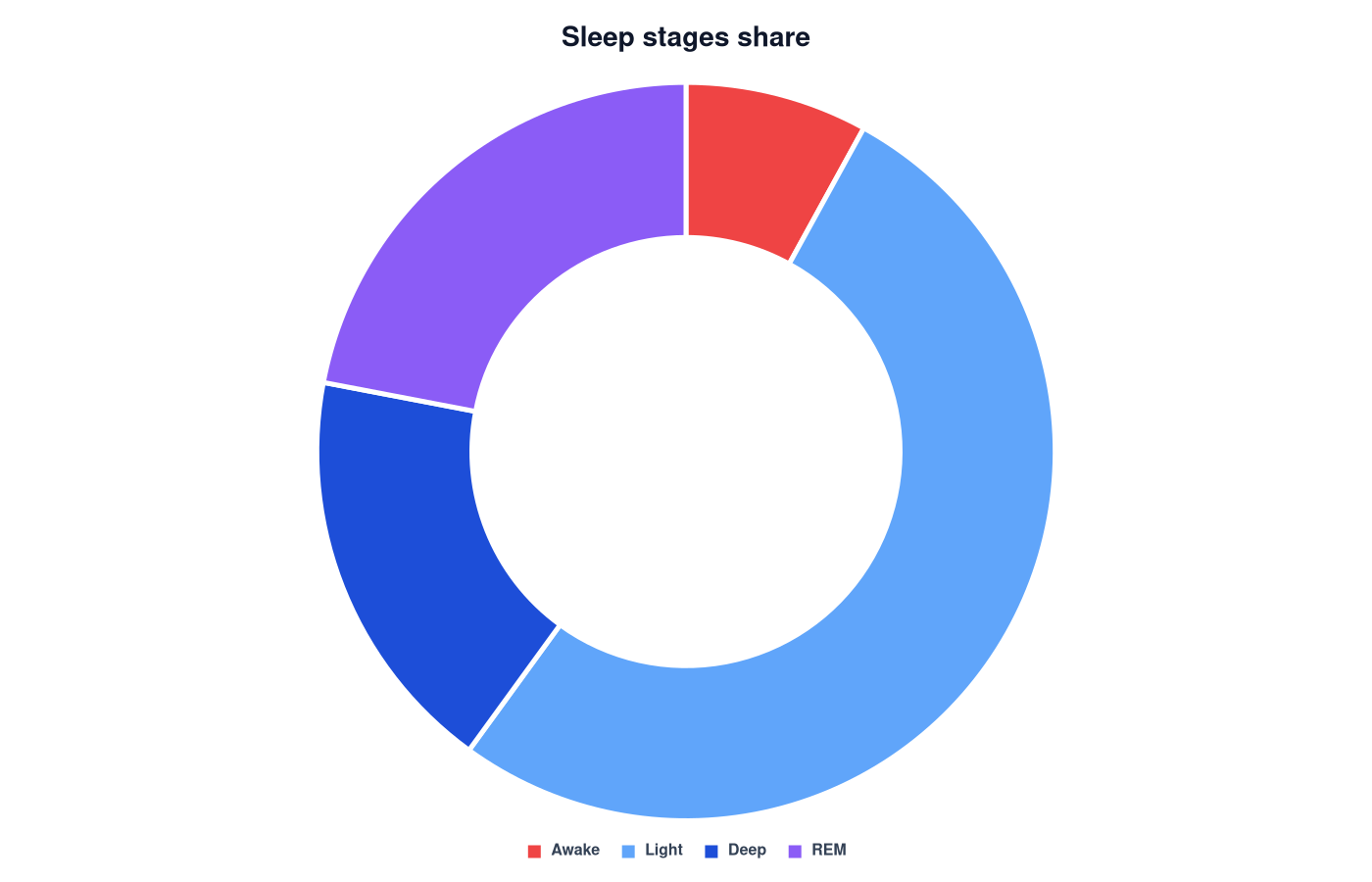
Sleep Stages Chart
Sleep stages charts show how sleep cycles are distributed between light sleep, deep sleep and REM sleep.
View Chart →