
Stress und Nervensystem
Stress aktiviert das sympathische Nervensystem und kann HRV reduzieren.
Chronischer Stress
Langfristiger Stress kann dauerhaft niedrigere HRV Werte verursachen.
HRV Trends beobachten
Die Beobachtung von HRV Trends über längere Zeit kann helfen Stress und Erholung besser zu verstehen.
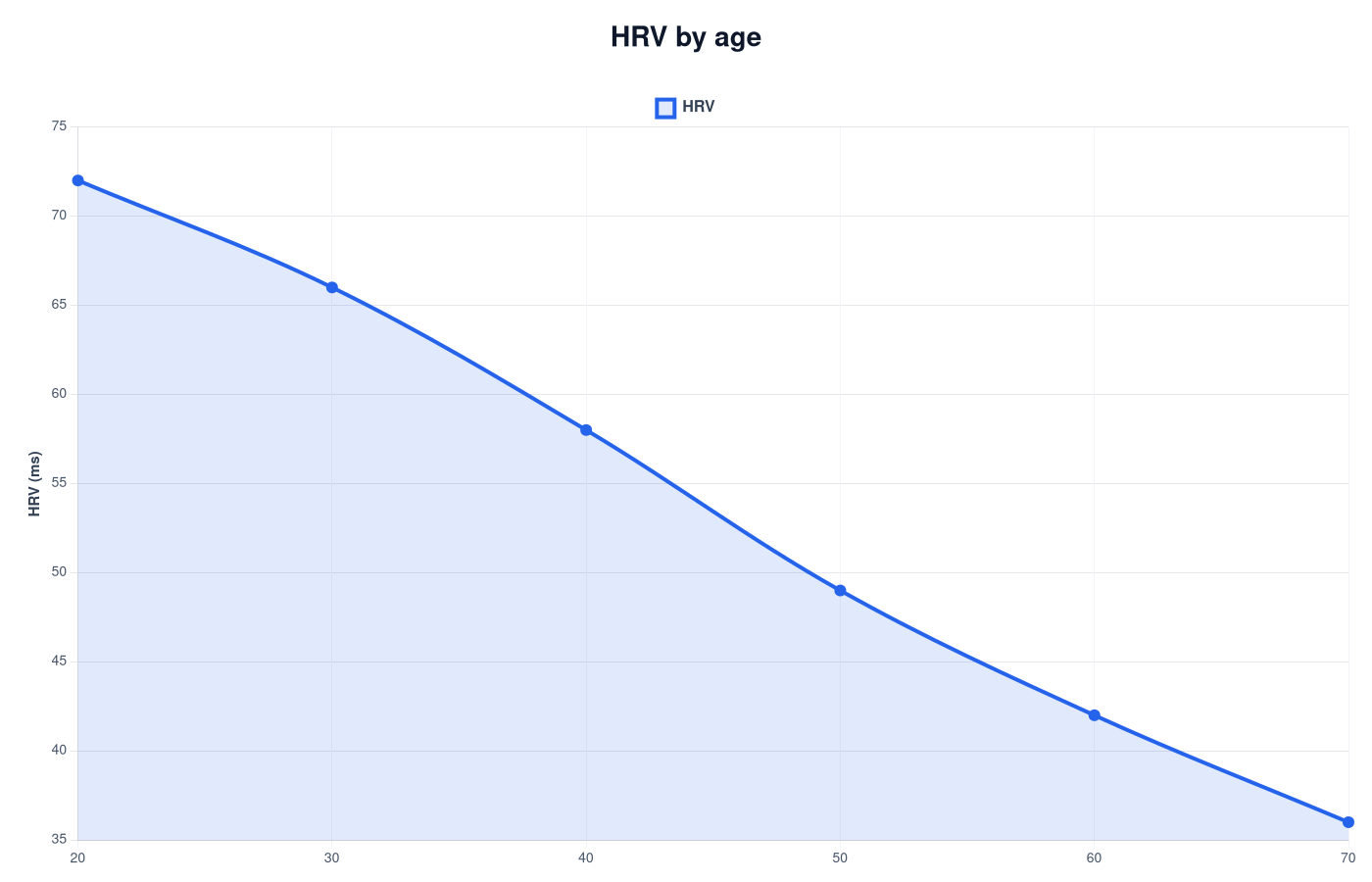
Siehe das HRV Chart.
Understanding HRV and Stress: A Comprehensive Guide
Introduction to HRV
Heart Rate Variability (HRV) is a measure of the variation in time between each heartbeat. Rather than displaying a consistent rhythm, the heart adjusts its beats in response to various factors such as stress, physical activity, and overall health. HRV is an important indicator of the autonomic nervous system’s function, which regulates involuntary body functions like heart rate, digestion, and respiratory rate.
Explanation of HRV
-
What is HRV?
- HRV is calculated by analyzing the intervals between successive heartbeats. A higher HRV is generally associated with better cardiovascular fitness and a more resilient stress response.
-
Why is HRV Important?
- A high HRV indicates a healthy balance between the sympathetic (fight or flight) and parasympathetic (rest and digest) nervous systems. Conversely, low HRV is often linked to stress, anxiety, and an increased risk of chronic diseases.
Interpretation of HRV
Understanding your HRV readings can provide valuable insights into your physical and mental state. Here’s how to interpret HRV:
-
High HRV:
- Indicates a well-functioning parasympathetic system.
- Suggests you are relaxed, healthy, and have a good ability to manage stress.
-
Low HRV:
- Often signals stress, fatigue, or overtraining.
- May indicate a need for recovery or a potential health concern.
Factors Influencing HRV
-
Physical Activity:
- Regular aerobic exercise can improve HRV.
-
Stress Levels:
- Emotional and psychological stress can decrease HRV.
-
Sleep Quality:
- Poor sleep can negatively affect heart rate variability.
-
Nutrition:
- A balanced diet supports metabolic health, influencing HRV positively.
Wearable Relevance
Wearable technology has revolutionized how we monitor our health, making it easier to track HRV and understand stress levels in real-time. Here's why wearables are important:
-
Real-Time Monitoring:
- Devices such as smartwatches and fitness trackers can provide continuous HRV data, offering insights into overall health.
-
User-Friendly Insights:
- Many wearables offer intuitive platforms with actionable data, making it easier for users to interpret their HRV readings.
-
Integration with Health Apps:
- Wearables often sync with health apps that analyze HRV trends and correlate them with lifestyle factors such as sleep, exercise, and stress management.
Popular Wearable Devices for HRV Monitoring
-
Apple Watch:
- Offers notification for HRV readings, sleep tracking, and exercise metrics.
-
WHOOP Strap:
- Focuses on recovery metrics, including HRV and strain levels.
-
Fitbit:
- Provides daily HRV data and insights on your overall health trends.
-
Garmin Devices:
- Tracks HRV, along with other fitness metrics to optimize training and recovery.
Practical Use of HRV in Daily Life
Incorporating HRV tracking into your daily routine can enhance your understanding of wellness and stress management. Here are some practical ways to use HRV data:
Daily Monitoring
- Track Baseline HRV:
- Understand your baseline HRV by measuring it first thing in the morning for several days.
Stress Management
-
Identify Stress Patterns:
- Notice how HRV changes with daily activities, stress levels, and emotional experiences.
-
Stress Reduction Techniques:
- Use HRV data to identify when you might need to employ relaxation techniques, such as deep breathing, meditation, or yoga.
Training and Recovery
- Optimize Workouts:
- If your HRV is low, consider lighter workouts or rest days. Conversely, a high HRV reading can indicate readiness for intense training.
Sleep Improvement
- Monitor Sleep Quality:
- Evaluate how your sleep affects HRV and adjust your sleep habits accordingly to improve your HRV.
Lifestyle Adjustments
- Nutrition and Hydration:
- Implement dietary changes or enhance hydration based on HRV trends that correlate with eating habits or dehydration.
Conclusion
In conclusion, understanding Heart Rate Variability (HRV) provides essential insights into how our bodies respond to stress and overall health. By integrating wearable technology into daily life, individuals can actively monitor HRV to improve their stress management, workout recovery, and holistic wellness. This proactive approach is not only beneficial for athletes but is crucial for anyone looking to enhance their quality of life. Start your journey towards better health today by utilizing HRV data through wearables—your body will thank you!
Empfohlene Wearables für HRV
Verstehe deine Gesundheitsdaten
LongLife Scan analysiert Wearable-Gesundheitsdaten und hilft dir, Muster in Stress, Schlaf und Erholung zu verstehen.
LongLife Scan ausprobierenVerwandte Metriken
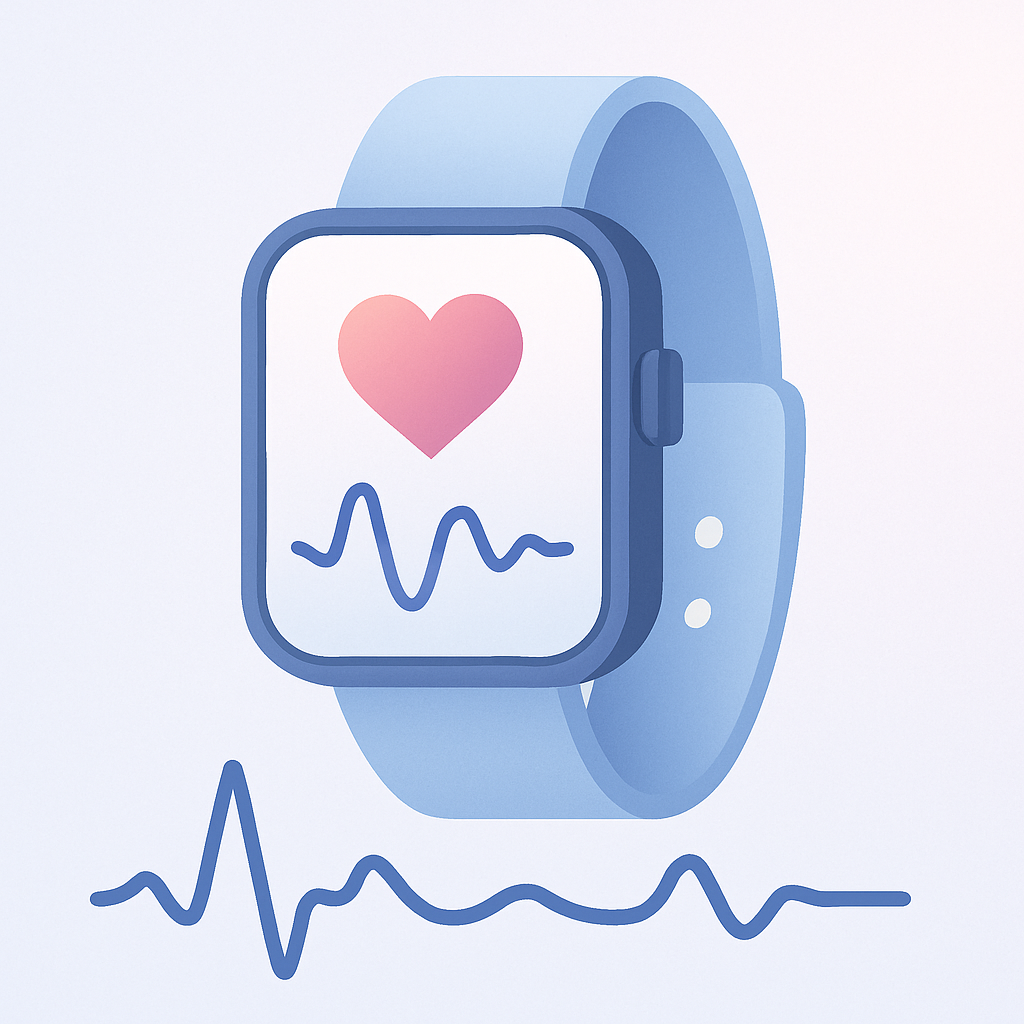
HRV Metrik
Heart rate variability shows how your nervous system responds to stress and recovery.
Metrik ansehen →
Gesundheitsmetriken
Übersicht wichtiger Wearable Gesundheitsmetriken wie HRV, VO2max und Schlaf.
Metrik ansehen →
Verwandte Charts
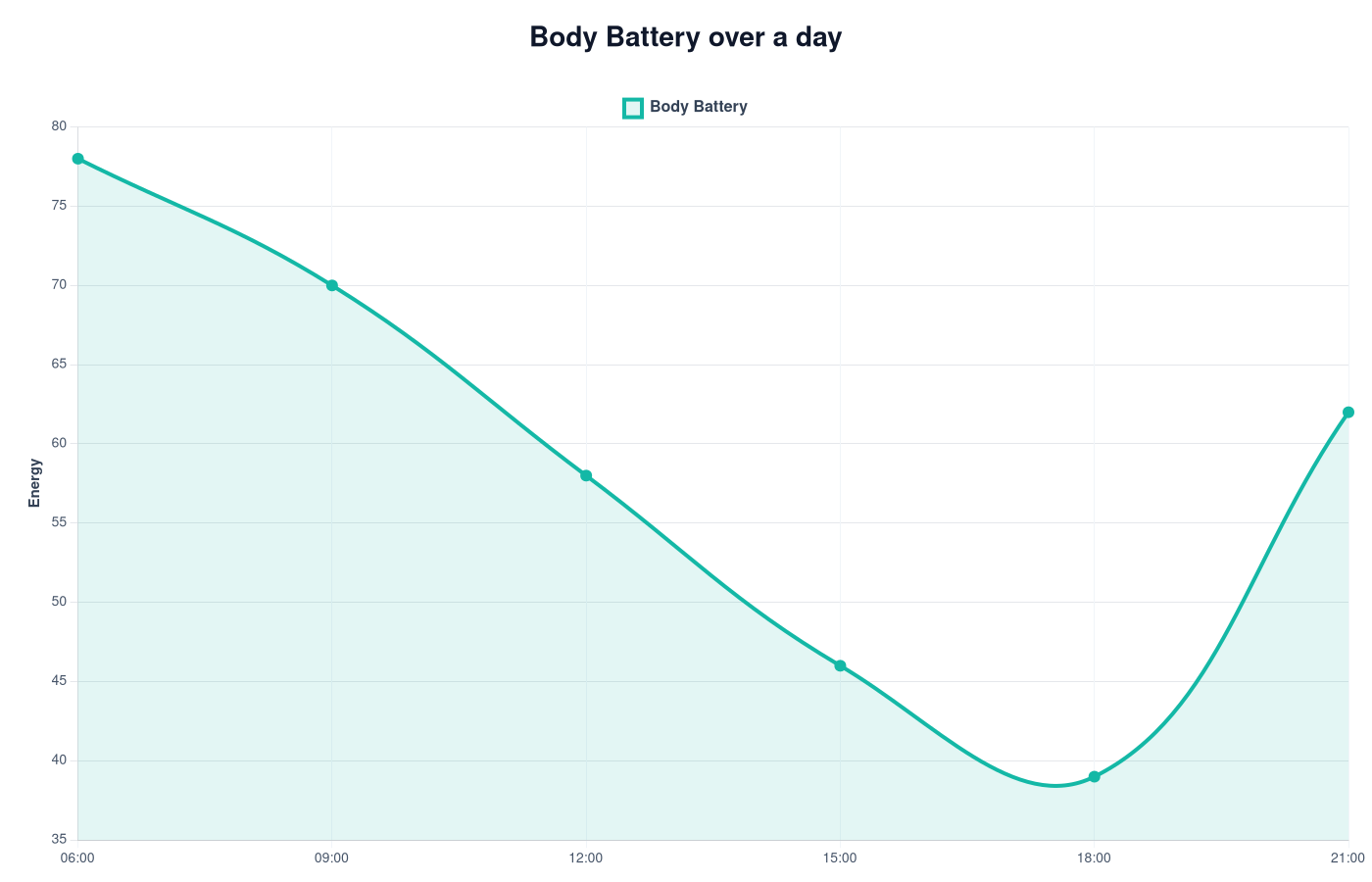
Body Battery Chart
Body Battery Charts zeigen, wie Wearables Energie und Erholung über den Tag schätzen.
Chart ansehen →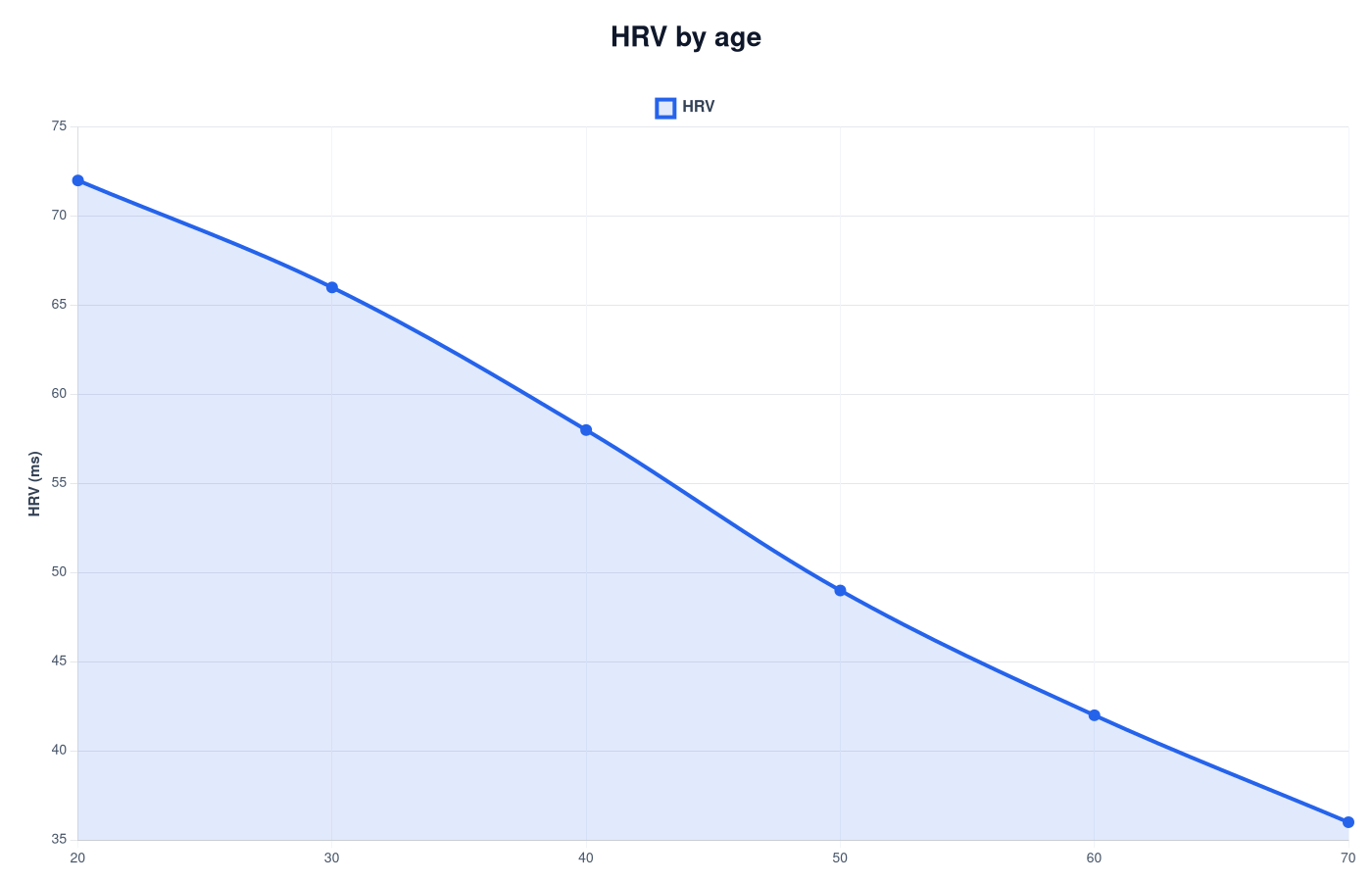
HRV Chart – typische HRV Bereiche
HRV Charts zeigen typische Bereiche der Herzratenvariabilität und helfen Werte besser einzuordnen.
Chart ansehen →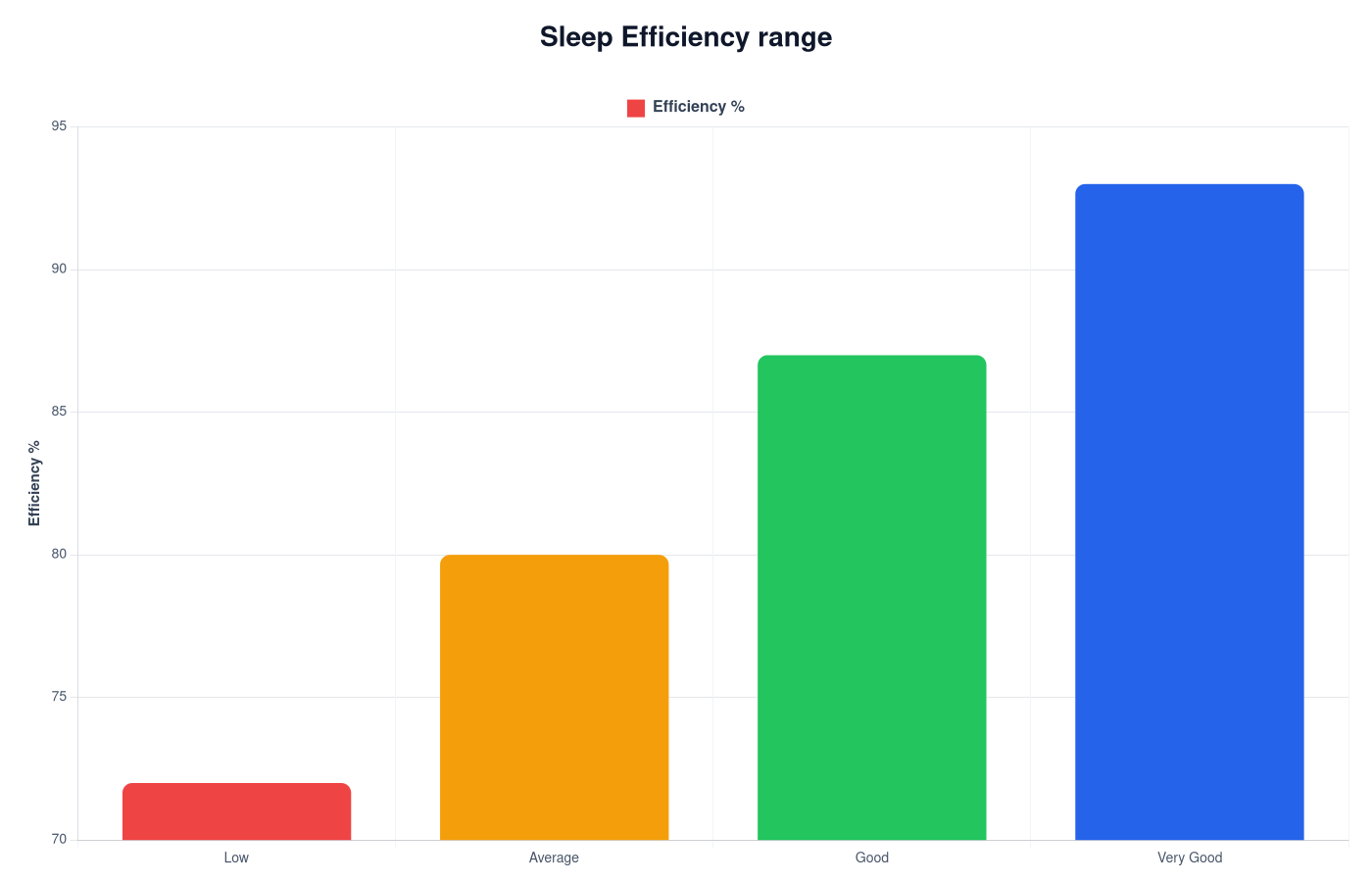
Schlafeffizienz Chart
Schlafeffizienz Charts zeigen, wie viel Zeit im Bett tatsächlich geschlafen wird und helfen die Schlafkontinuität besser einzuordnen.
Chart ansehen →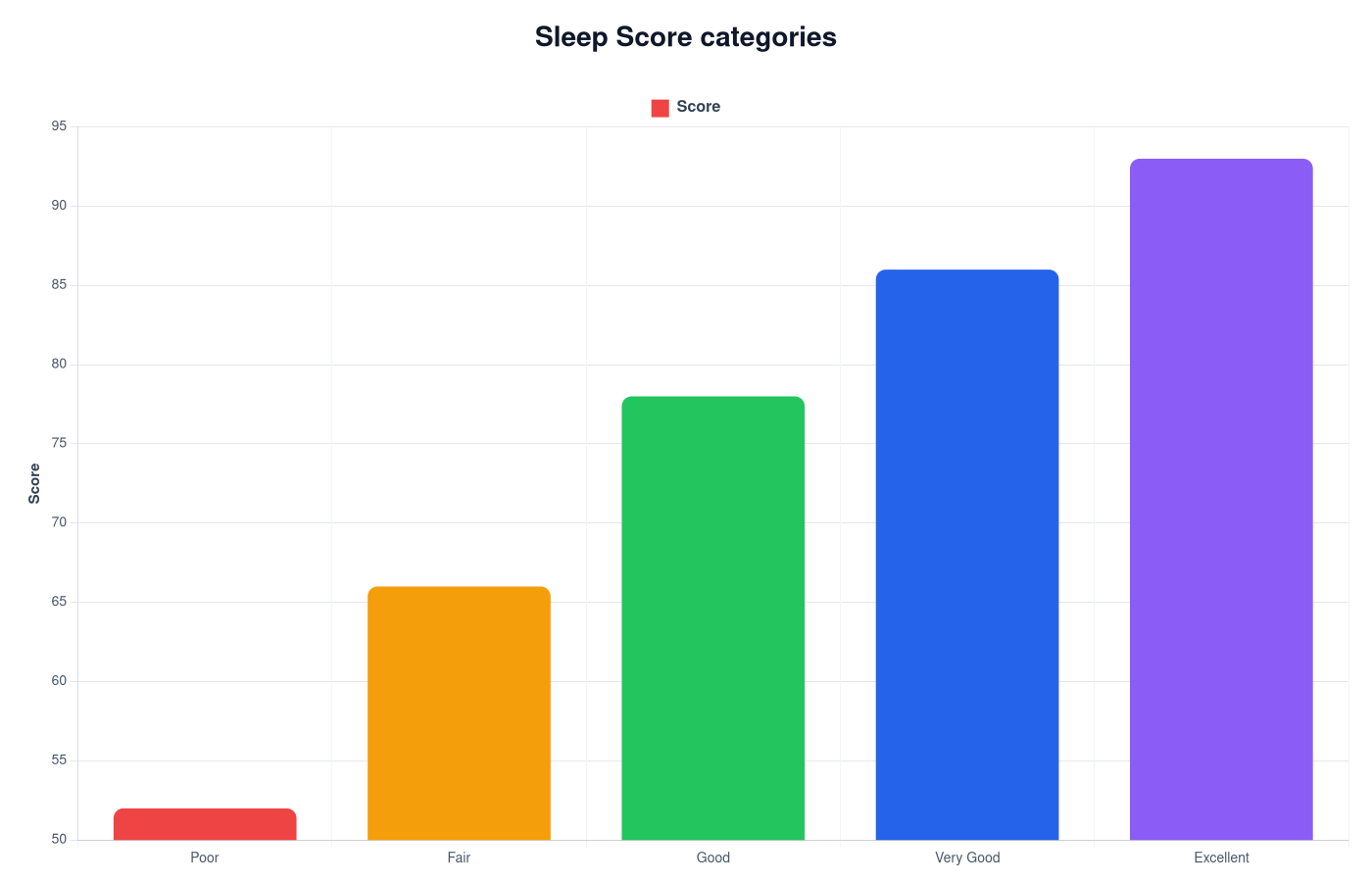
Schlafscore Chart
Schlafscore Charts zeigen typische Scorebereiche und helfen Wearable Schlafbewertungen zu verstehen.
Chart ansehen →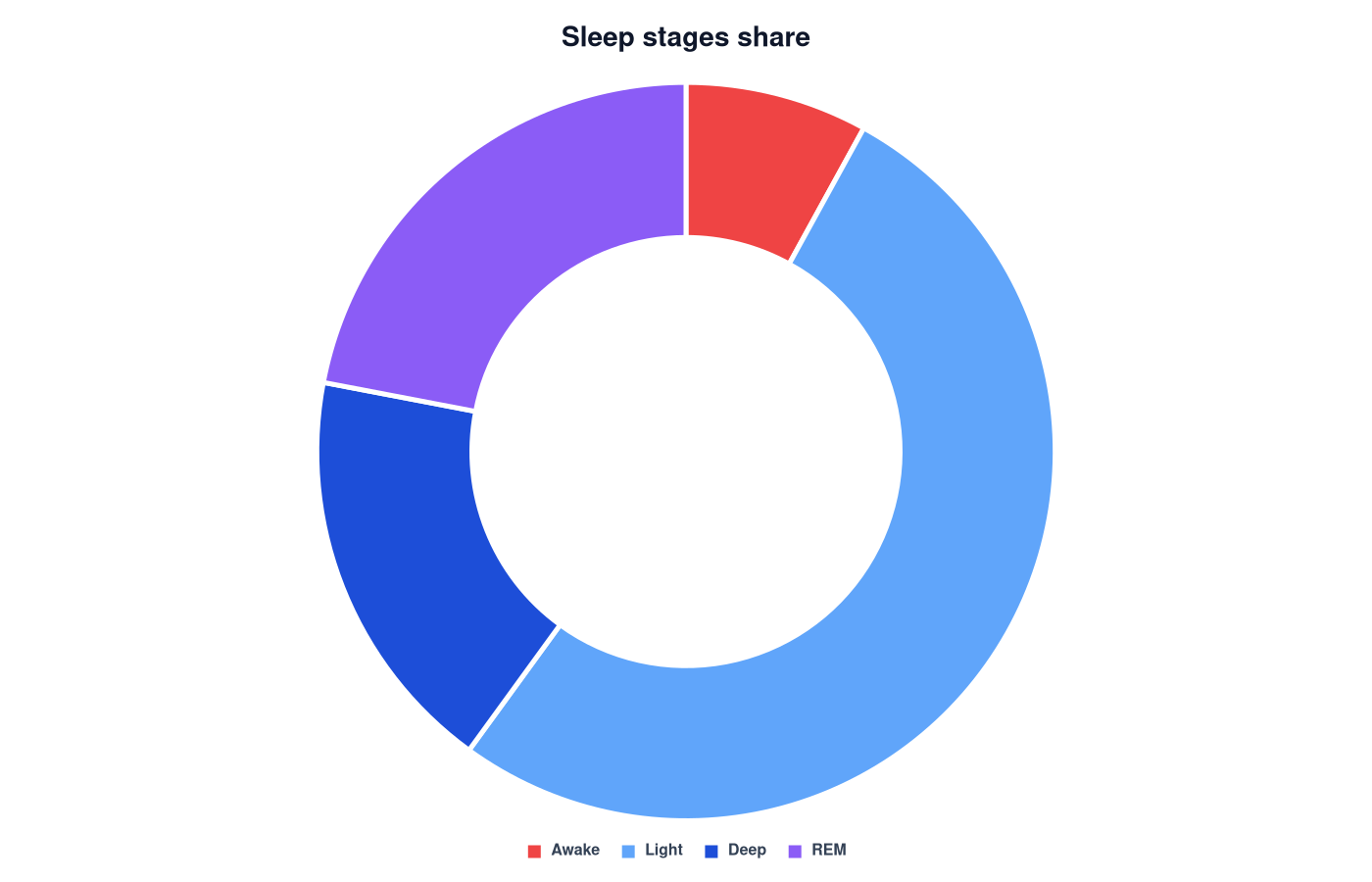
Schlafphasen Chart
Schlafphasen Charts zeigen die Verteilung von Leichtschlaf, Tiefschlaf und REM Schlaf.
Chart ansehen →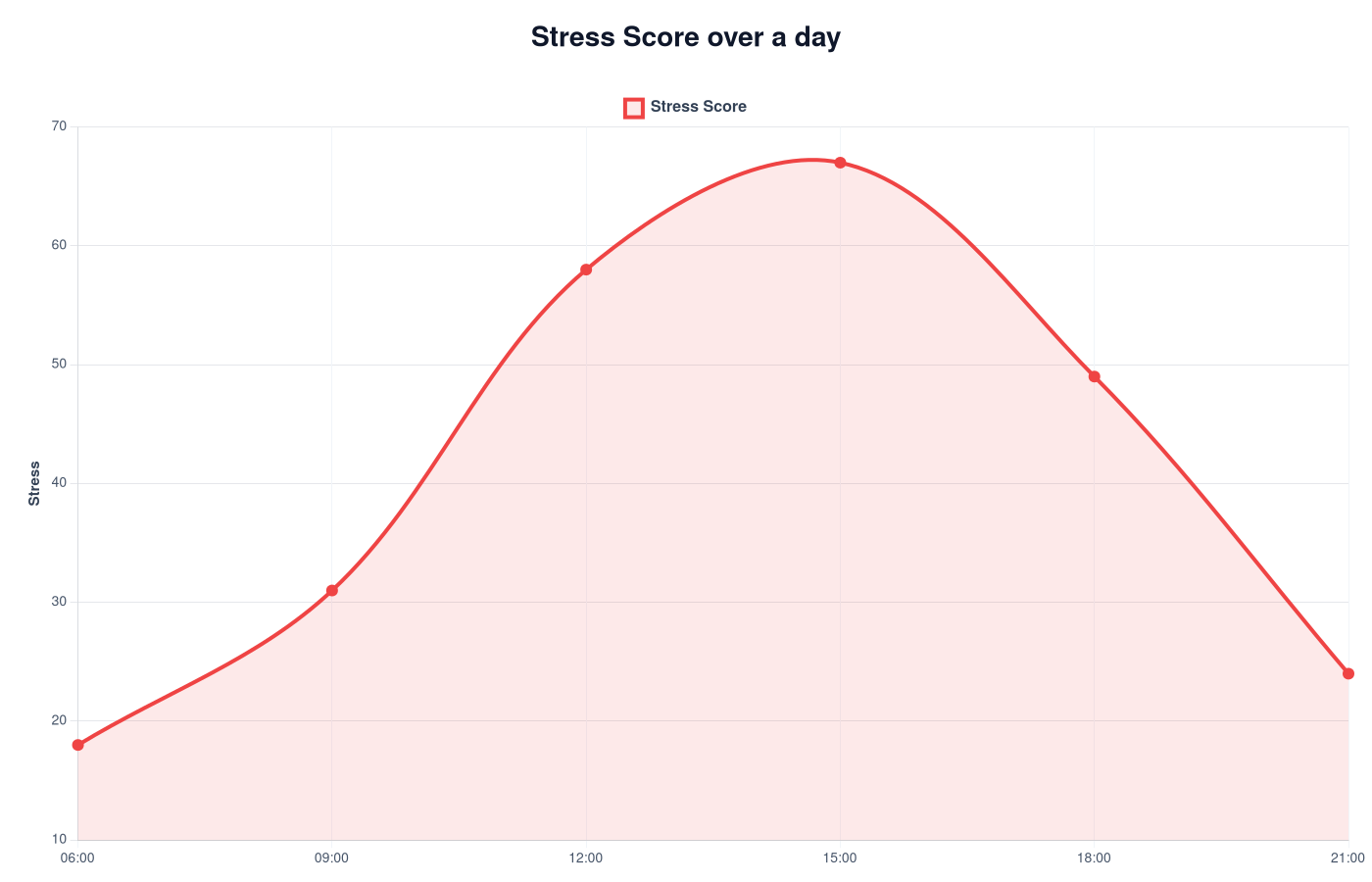
Stress Score Chart
Stress Score Charts zeigen typische Stressbereiche und helfen Wearable Stresssignale zu interpretieren.
Chart ansehen →