
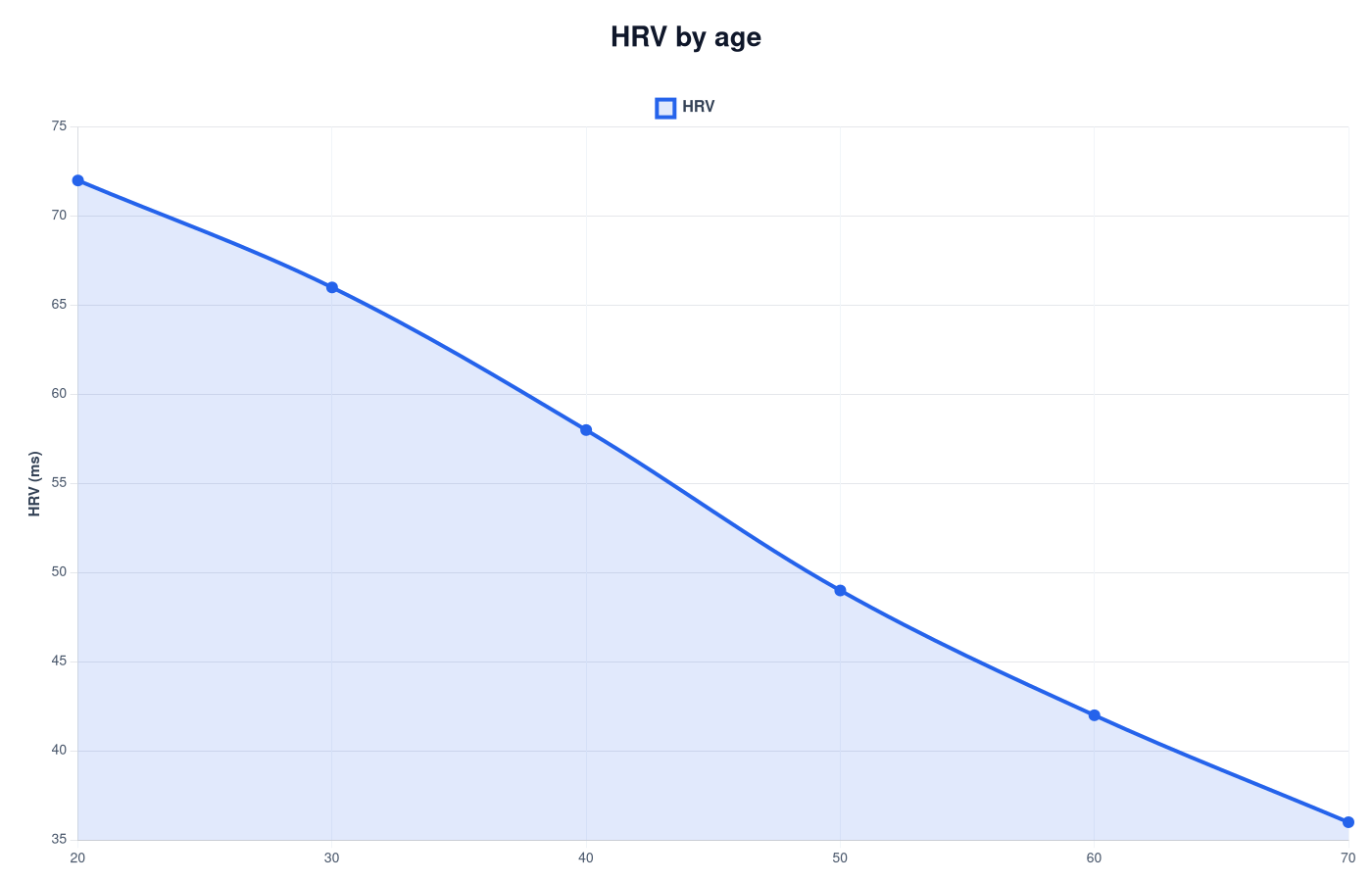
What Heart Rate Variability Means
HRV measures the variation in time between individual heartbeats. Even when your pulse seems steady, the intervals between beats are constantly changing.
These small variations are controlled by the autonomic nervous system, which helps your body switch between stress activation and recovery.
In practice, higher HRV is often associated with better recovery, stronger adaptability and a more flexible nervous system response.
Lower HRV can sometimes reflect stress, fatigue, illness, poor sleep or insufficient recovery after training.
Why HRV Matters
HRV is useful because it gives context beyond a simple heart rate value. It helps show how your body is coping with training load, emotional stress and recovery demands.
This is why HRV is widely used as a marker of resilience, readiness and nervous system balance.
If you want to understand the core metric first, start here: HRV metric explained.
HRV and Wearables
Wearables like Apple Watch, Garmin, Oura Ring and Whoop measure HRV regularly and use it as part of recovery and readiness estimates.
Looking at HRV trends over time is usually more useful than focusing on one isolated number.
A drop in HRV may sometimes appear after poor sleep, heavy training, alcohol, illness or unusually high stress.
To compare your values with common ranges, see the HRV Chart.
How to Interpret HRV More Usefully
The best way to use HRV is to treat it as a trend, not as a standalone verdict. One low value is usually less important than a consistent pattern over several days.
- Compare HRV with your own baseline, not only with population averages.
- Look at HRV together with sleep quality, resting heart rate and recovery.
- Measure under similar conditions whenever possible.
- Use charts and trends to interpret context, not just single-day readings.
Core Understanding
Heart Rate Variability (HRV) is a central wearable metric for sleep, recovery, stress and training. A useful guide should not only define it, but also explain how to use it in practice.
What You Can Learn from This Metric
Depending on the situation, this metric can help you:
- balance strain and recovery better
- avoid overinterpreting wearable data
- read trends instead of single values
- make better health decisions
How to Use It in Daily Life
This metric becomes most useful when viewed regularly and in context with other signals:
- sleep
- stress
- training load
- subjective well-being
Useful Internal Links
Recommended HRV Trackers
Understand Your Health Data
LongLife Scan analyzes wearable health data and helps you understand patterns in stress, sleep and recovery.
Try LongLife ScanRelated Metrics

Health Metrics
Overview of wearable health metrics including HRV, VO2max, sleep and recovery.
View Metric →
Related Charts
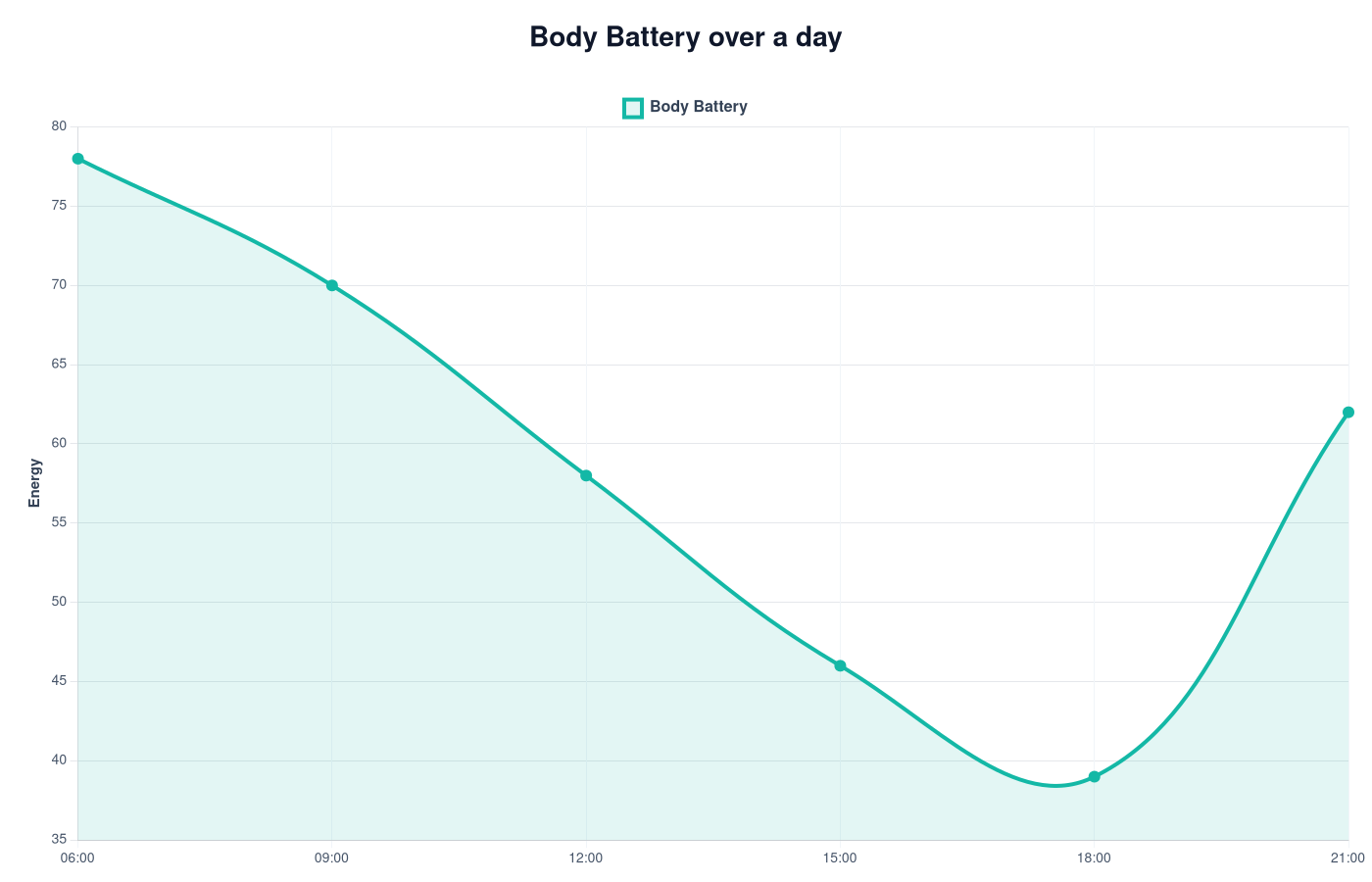
Body Battery Chart
Body Battery charts show how wearable devices estimate energy, recovery and stress patterns during the day.
View Chart →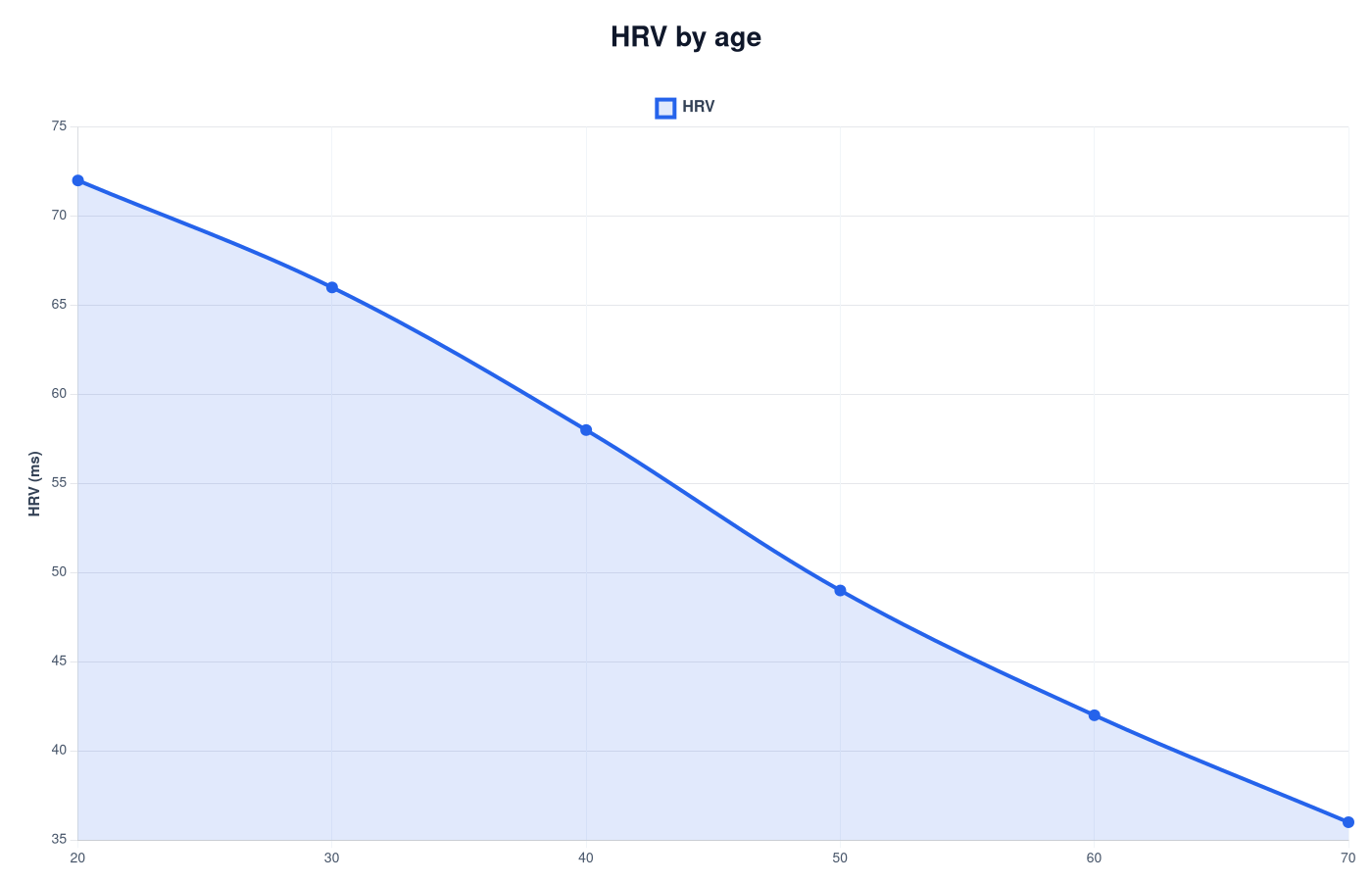
HRV Chart – Typical Heart Rate Variability Ranges
HRV trends show recovery and stress patterns over time.
View Chart →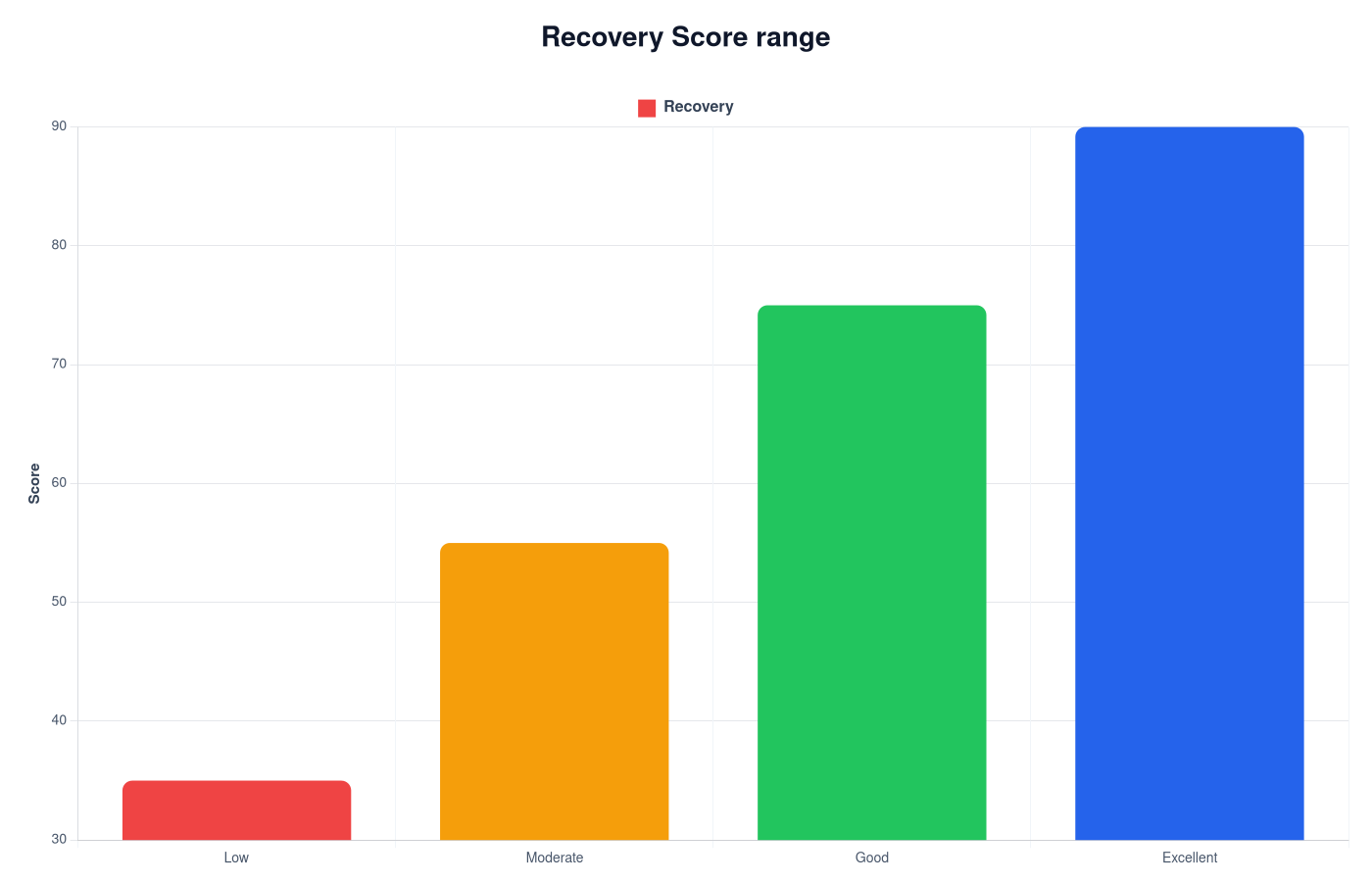
Recovery Score Chart
Recovery score charts show how wearables combine HRV, sleep and stress signals into one readiness value.
View Chart →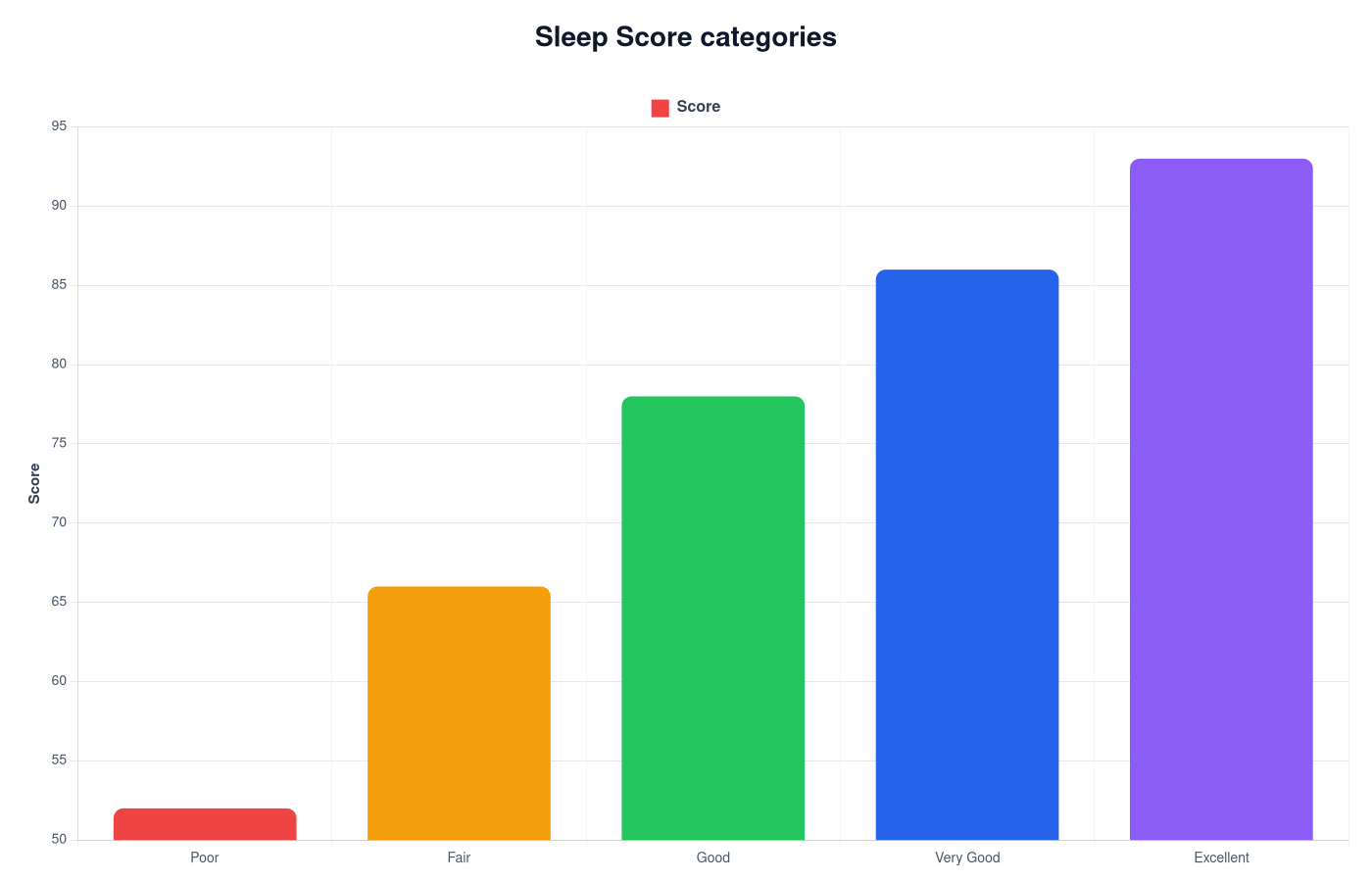
Sleep Score Chart – Sleep Quality Explained
Sleep score charts show typical score ranges and help interpret wearable sleep quality estimates.
View Chart →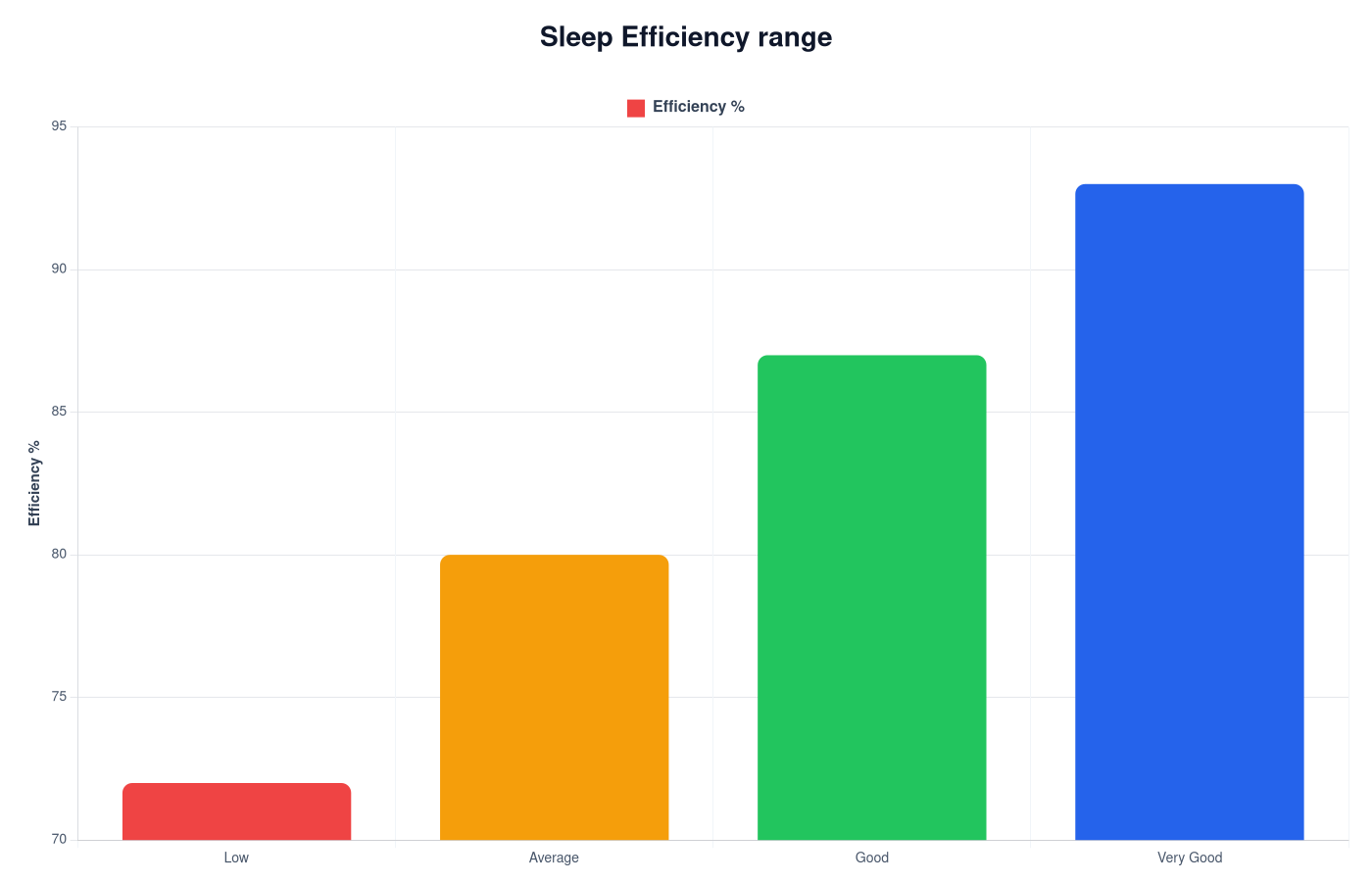
Sleep Efficiency Chart
Sleep efficiency charts show how much of your time in bed is spent sleeping and help interpret sleep continuity.
View Chart →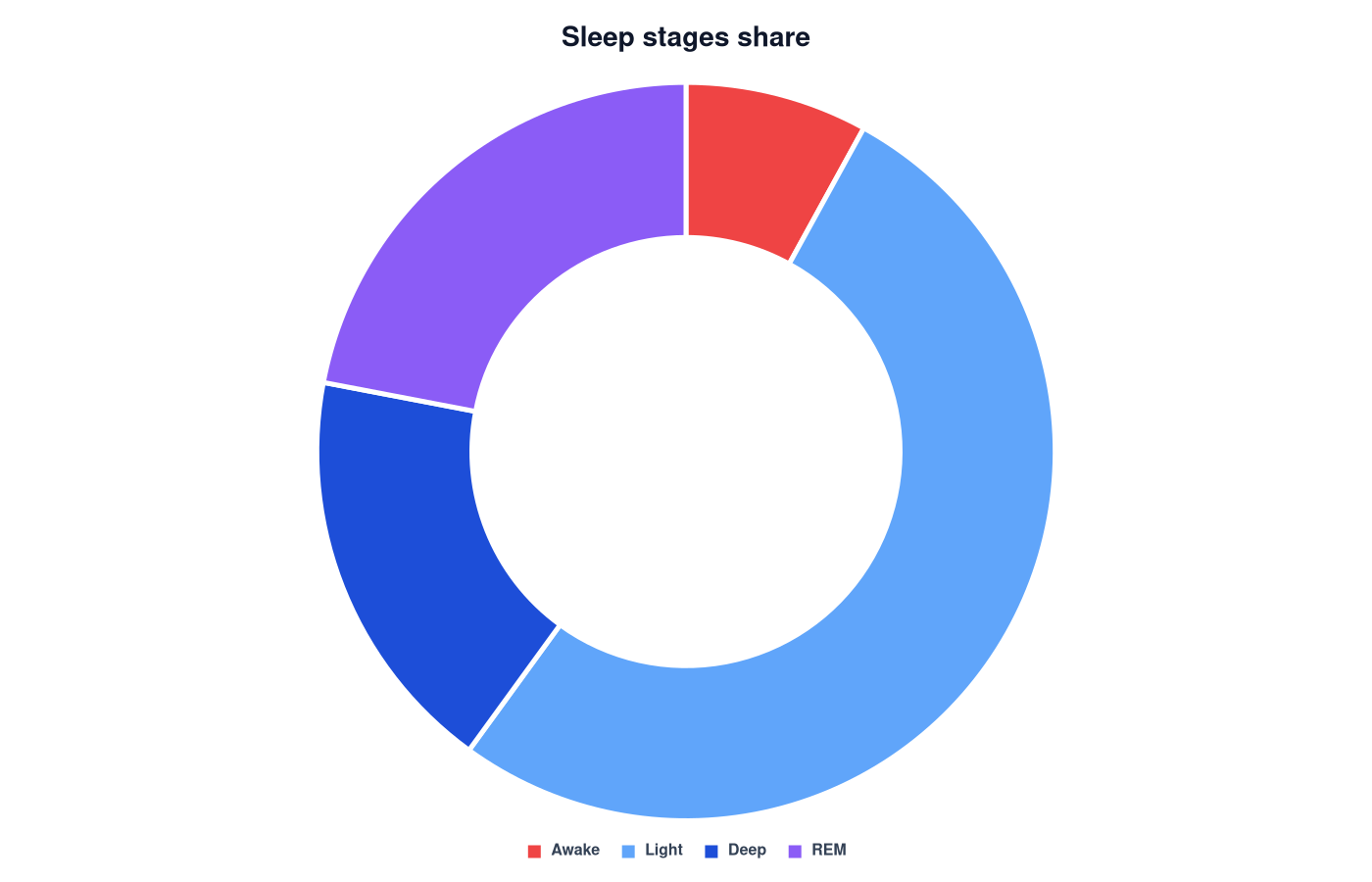
Sleep Stages Chart
Sleep stages charts show how sleep cycles are distributed between light sleep, deep sleep and REM sleep.
View Chart →FAQ
What does HRV mean?
HRV means heart rate variability. It describes the variation in time between one heartbeat and the next.
Is higher HRV better?
In many situations, a higher HRV is associated with better recovery and stronger stress resilience, but HRV always needs personal context.
Do wearables measure HRV accurately?
Many wearables estimate HRV reasonably well for trend tracking, especially when measurements are taken consistently under similar conditions.