
Sleep Articles
- Best Sleep Tracker for HRV
- Garmin Sleep Tracking Accuracy
- What is a Good Sleep Score
- Best Sleep Trackers
- HRV During Sleep
- Oura Ring Accuracy
- Oura Ring vs Whoop
- Sleep Efficiency Normal Range
- Sleep Metrics Explained
- Sleep Score Chart – Sleep Quality Explained
- Sleep Efficiency Chart
- Sleep Score Meaning
- Sleep Stages Chart
- Sleep Tracker Accuracy
- Sleep Stages Meaning
- Sleep Efficiency
- Sleep Score
Ultimate Sleep Guide: Unlocking the Secrets to Quality Rest
Sleep is one of the most fundamental aspects of human health, yet it often goes overlooked in our busy lives. In this comprehensive sleep guide, you will discover what sleep is, its importance, and how wearable technology can enhance your sleep quality. Whether you struggle to fall asleep, stay asleep, or wake up feeling refreshed, understanding sleep can help you reclaim your nights and improve your daytime performance.
Understanding Sleep: What Is It?
Sleep is a natural state of rest characterized by altered consciousness, reduced sensory activity, and inhibition of voluntary muscles. During sleep, the body undergoes numerous vital processes crucial for physical and mental health. There are five stages of sleep, grouped into two main types: Non-REM (NREM) and REM sleep.
-
NREM Sleep:
- Stage 1: Light sleep, wherein you drift in and out of sleep.
- Stage 2: Heart rate slows; body temperature decreases.
- Stage 3: Deep sleep; crucial for physical recovery and rejuvenation.
-
REM Sleep:
- Associated with dreaming and important for emotional regulation, learning, and memory consolidation.
Sleep is essential for several reasons:
- Physical Health: Sleep supports cardiovascular health, immune function, and muscle repair.
- Mental Health: Adequate sleep reduces the risk of anxiety and depression.
- Cognitive Function: Good sleep enhances memory, creativity, and problem-solving abilities.
Interpretation: Why Sleep Matters
Understanding the nuances of sleep is crucial for making informed choices that enhance your well-being. Here’s why quality sleep should be a priority:
- Performance: Poor sleep can result in decreased concentration and productivity.
- Mood Regulation: Inadequate sleep can lead to irritability, mood swings, and mental fatigue.
- Weight Management: Lack of sleep can disrupt hormones related to appetite, leading to weight gain.
- Chronic Health Risks: Insufficient sleep is linked to conditions like diabetes, heart disease, and obesity.
Wearable Technology: Monitoring Your Sleep
Wearable devices like smartwatches and fitness trackers have revolutionized how we monitor and interpret our sleep patterns. By providing insights into various sleep stages, these devices can help you identify habits and make necessary adjustments. Here’s how wearables relate to sleep:
Key Features of Sleep-Tracking Wearables:
- Sleep Duration: Monitors how long you sleep each night.
- Sleep Stages: Analyzes time spent in light, deep, and REM sleep.
- Sleep Quality: Provides an overall score or rating, helping you assess effectiveness.
- Heart Rate Monitoring: Tracks heart rate variability which can reflect sleep quality.
- Movement Tracking: Detects restlessness and interruptions during sleep.
- Smart Alarms: Wakes you during the lightest sleep phase for a more refreshing experience.
Practical Use: Maximizing Sleep Quality with Wearables
Integrating wearables into your sleep routine can lead to actionable insights that help you improve your sleep quality. Here’s how to maximize these tools effectively:
1. Track Your Sleep Patterns
Regularly monitor your sleep data to identify trends and irregularities. Note how factors like stress, screen time, and diet influence your sleep quality.
2. Set Goals
Use your findings to set clear, achievable sleep goals. For example, aiming for 7-9 hours of quality sleep per night can significantly impact your overall health.
3. Adjust Your Environment
Wearables can help pinpoint aspects of your environment that may be affecting your sleep. For example, if your tracker indicates you wake frequently, consider adjustments like sound machines, blackout curtains, or temperature control.
4. Optimize Your Routine
Using tracking data, develop a sleep routine that includes winding down activities like reading, meditating, or gentle stretching before bed.
5. Leverage Smart Technology
Engage your wearable device’s smart alarm or reminders about sleep hygiene practices, like reduced screen time or caffeine.
6. Share Data with Healthcare Professionals
If sleep issues persist, share your sleep data with healthcare professionals. Comprehensive insights can support better diagnoses and tailored solutions.
Conclusion
In today’s fast-paced world, prioritizing quality sleep is essential for maintaining optimal health and well-being. Wearable technology serves as a valuable tool in your journey towards better sleep, offering insights and monitoring capabilities that empower you to make informed choices. By understanding your sleep patterns and leveraging technology, you can cultivate restorative sleep that enhances your life both day and night.
Invest in your sleep—it’s a small change that can lead to enormous benefits, improving your overall quality of life.
Understand Your Health Data
LongLife Scan analyzes wearable health data and helps you understand patterns in stress, sleep and recovery.
Try LongLife ScanRelated Metrics
Health Metrics
Overview of wearable health metrics including HRV, VO2max, sleep and recovery.
View Metric →
Related Charts
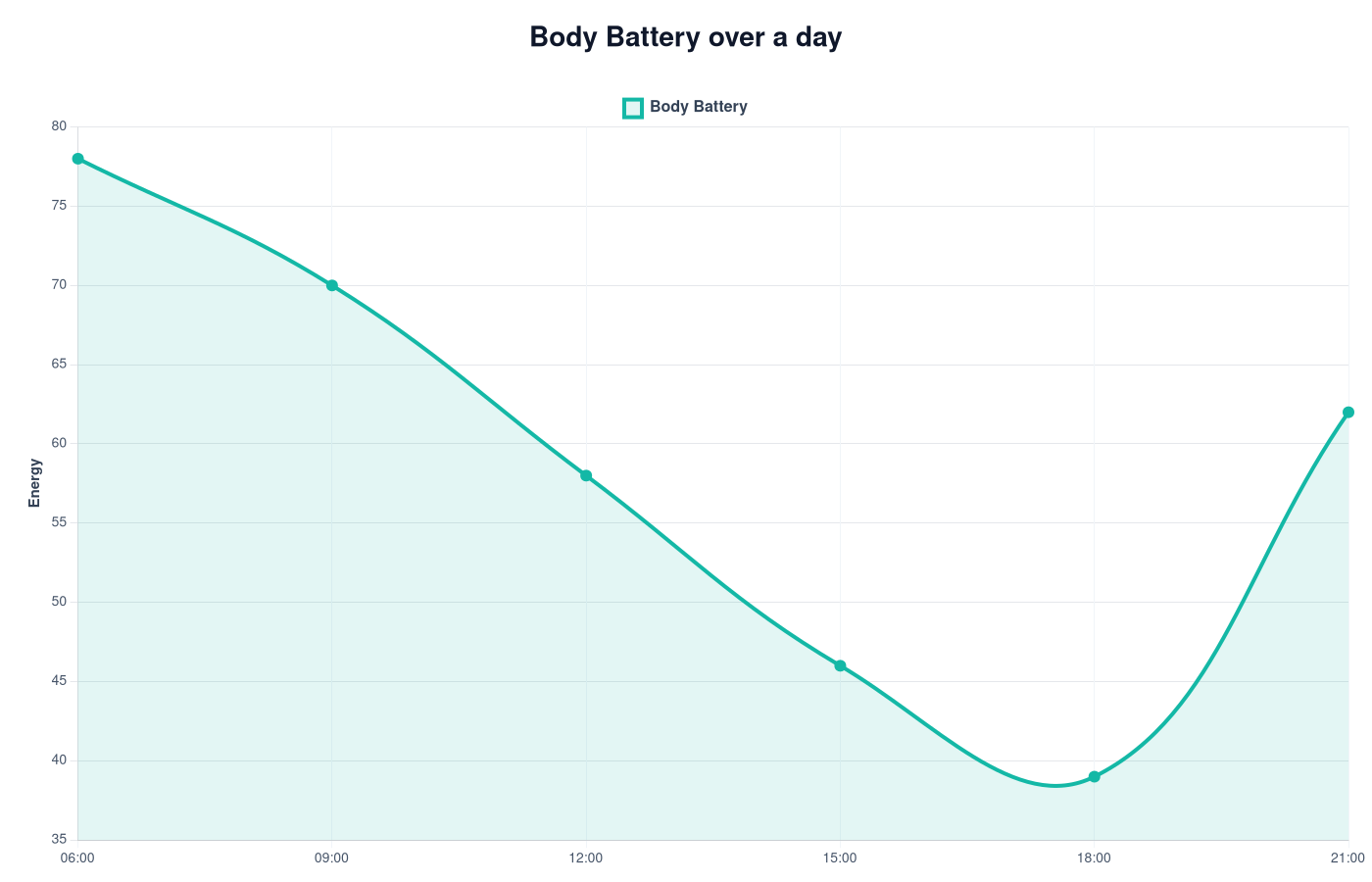
Body Battery Chart
Body Battery charts show how wearable devices estimate energy, recovery and stress patterns during the day.
View Chart →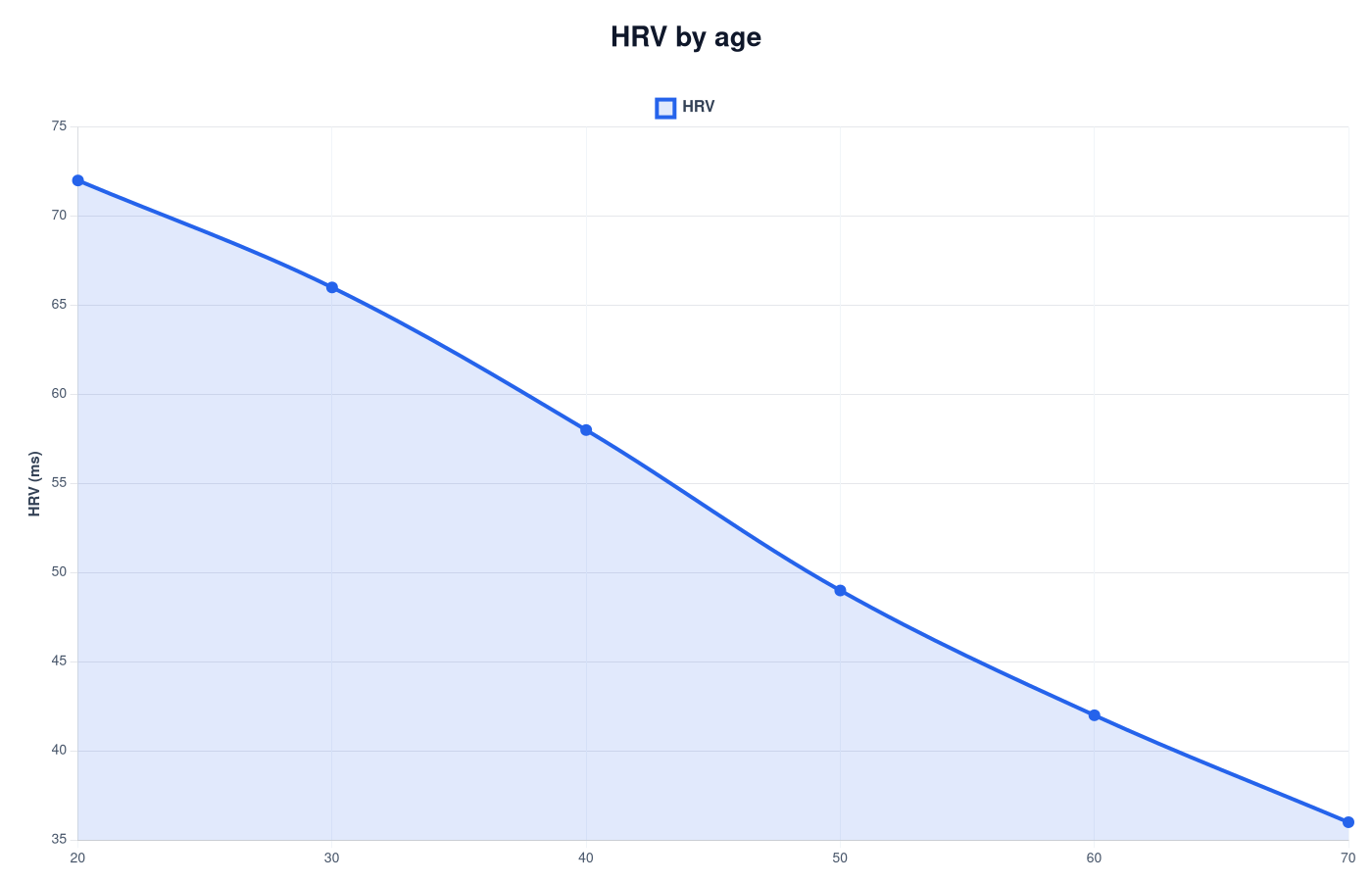
HRV Chart – Typical Heart Rate Variability Ranges
HRV trends show recovery and stress patterns over time.
View Chart →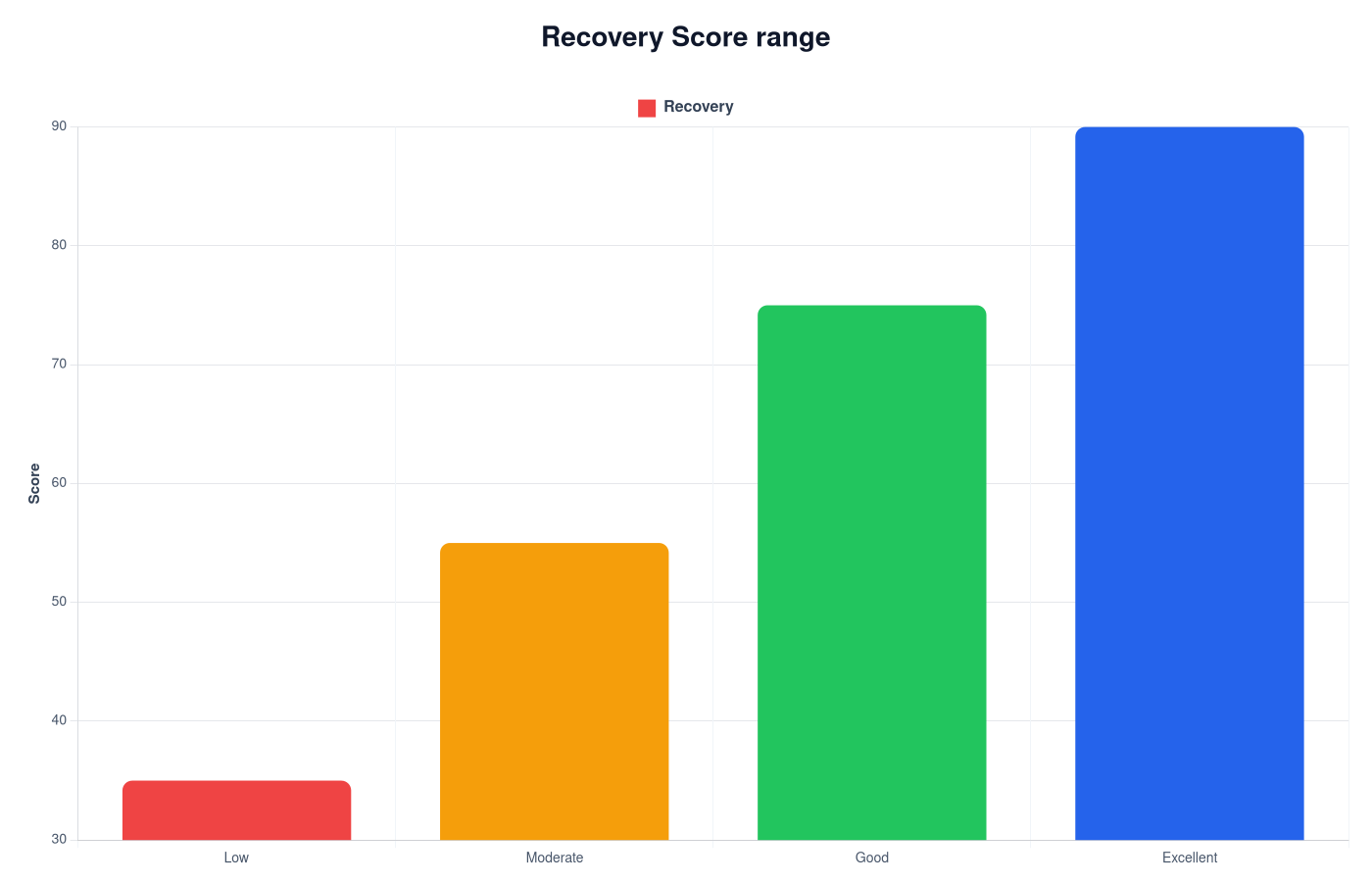
Recovery Score Chart
Recovery score charts show how wearables combine HRV, sleep and stress signals into one readiness value.
View Chart →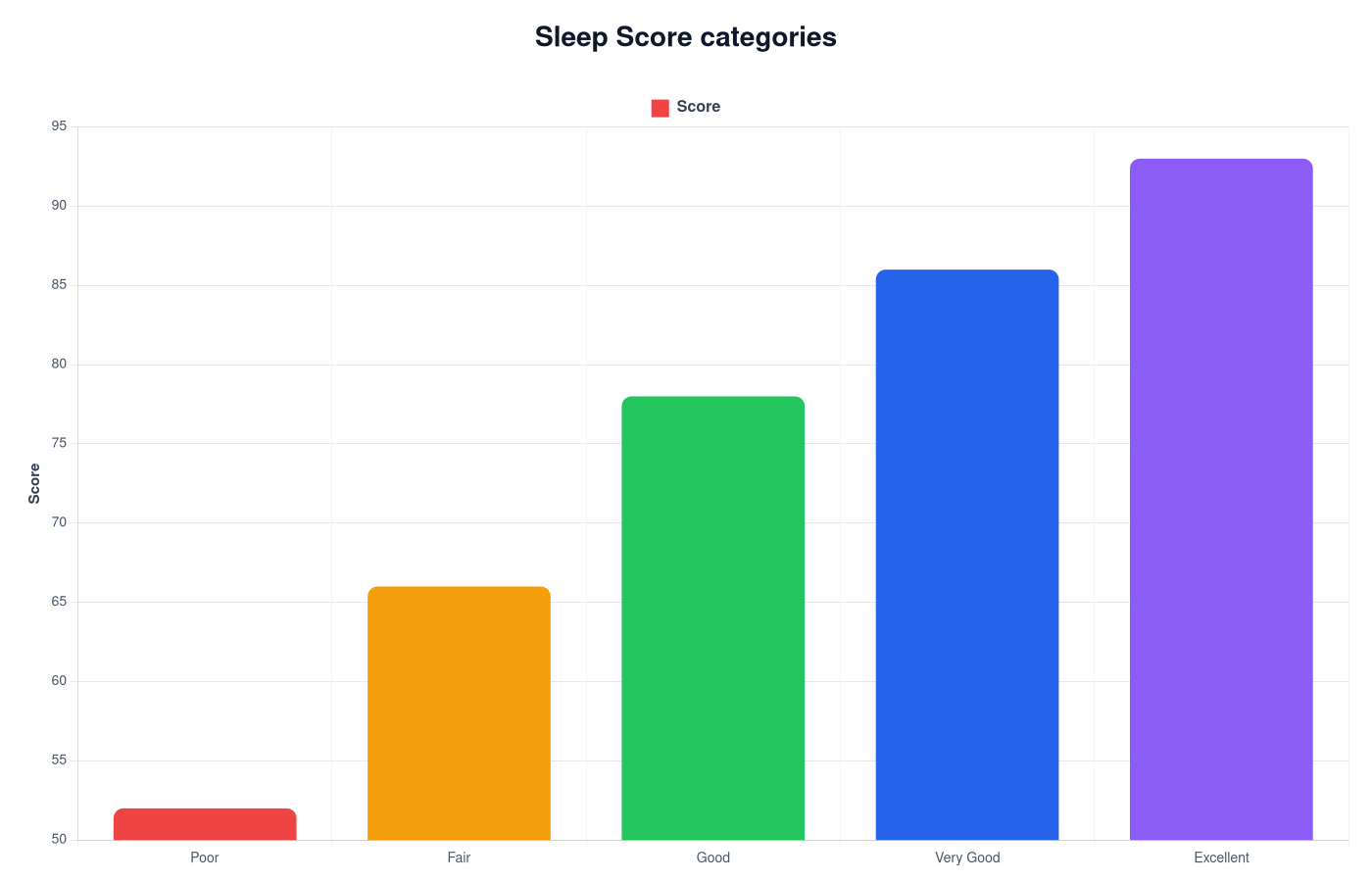
Sleep Score Chart – Sleep Quality Explained
Sleep score charts show typical score ranges and help interpret wearable sleep quality estimates.
View Chart →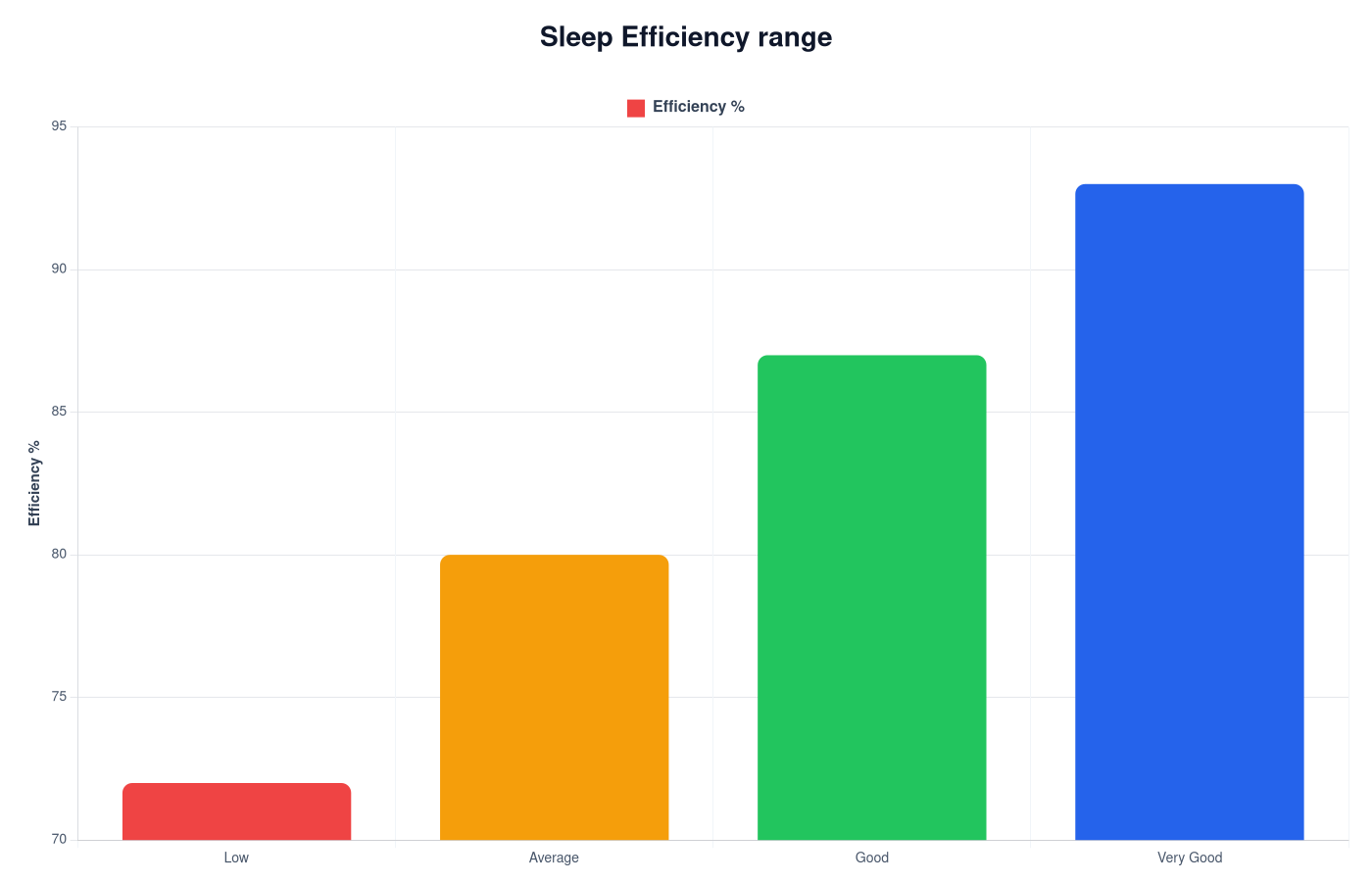
Sleep Efficiency Chart
Sleep efficiency charts show how much of your time in bed is spent sleeping and help interpret sleep continuity.
View Chart →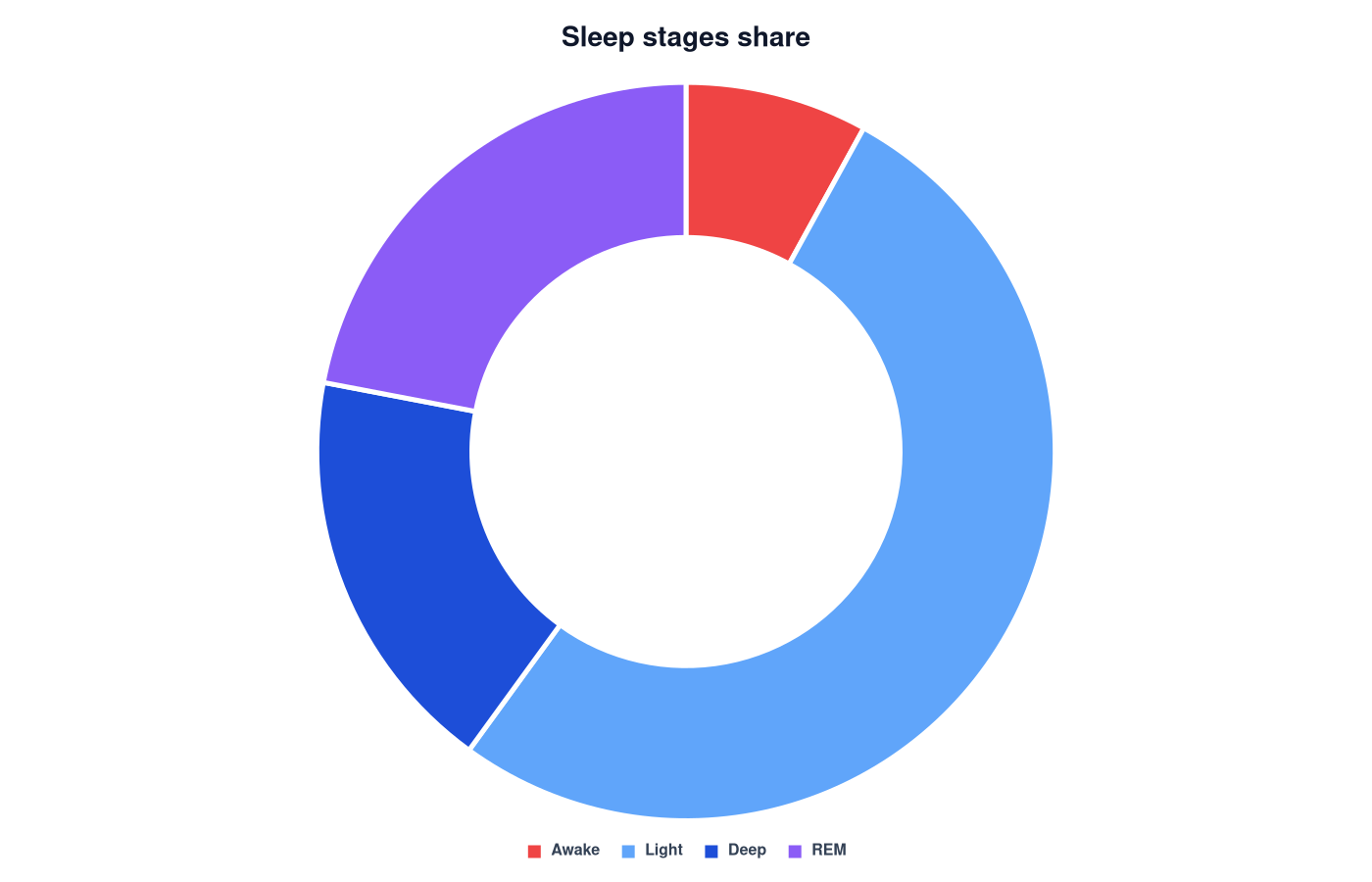
Sleep Stages Chart
Sleep stages charts show how sleep cycles are distributed between light sleep, deep sleep and REM sleep.
View Chart →