
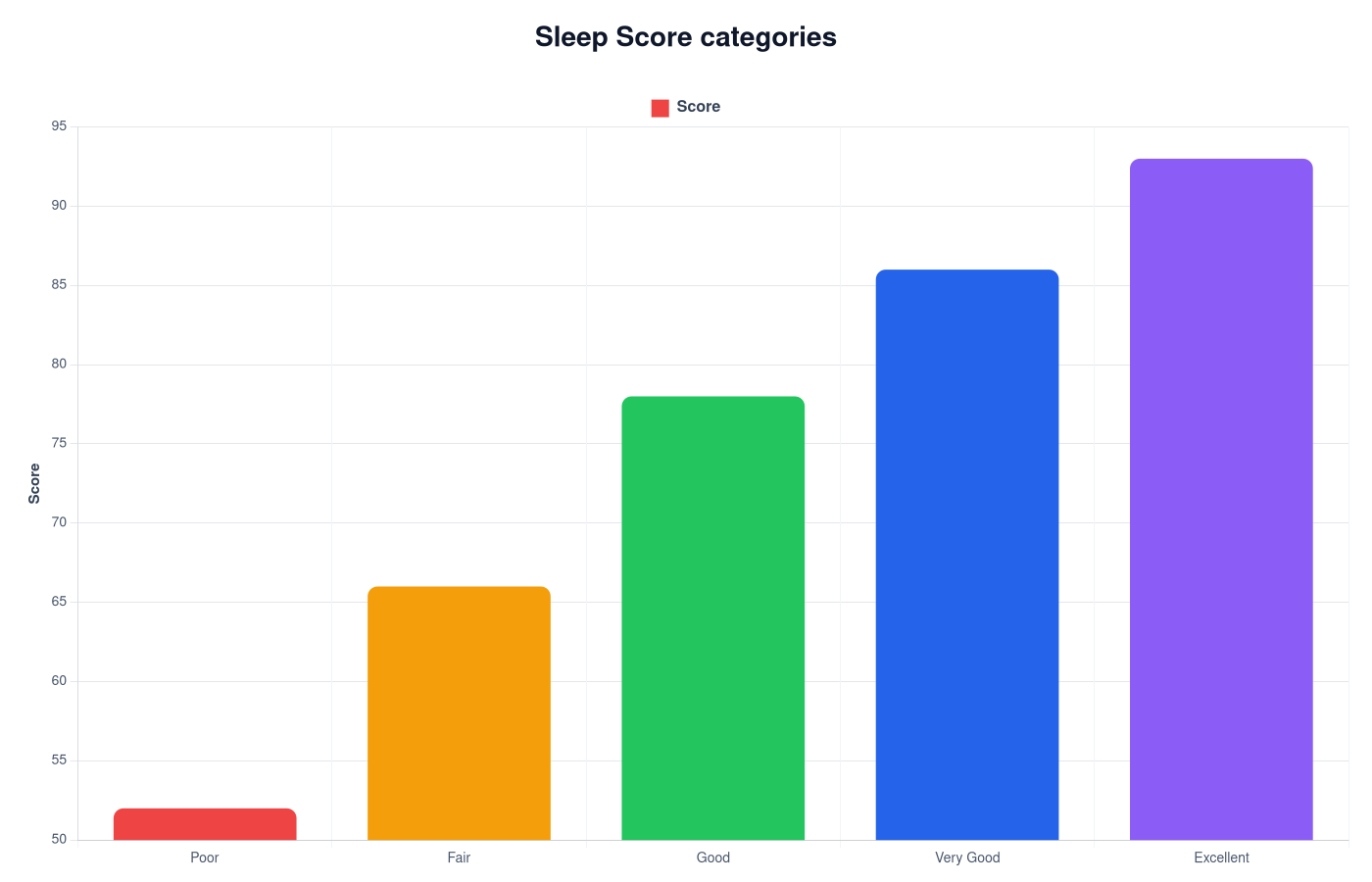
Typical sleep score ranges
- 90–100 excellent sleep
- 80–89 good sleep
- 70–79 moderate sleep
- below 70 poor sleep
How sleep scores are calculated
Wearables often combine sleep duration, sleep stages, movement and heart rate data to estimate sleep quality.
See the Sleep Score Chart.
Core Understanding
Sleep Score is a central wearable metric for sleep, recovery, stress and training. A useful guide should not only define it, but also explain how to use it in practice.
What You Can Learn from This Metric
Depending on the situation, this metric can help you:
- balance strain and recovery better
- avoid overinterpreting wearable data
- read trends instead of single values
- make better health decisions
How to Use It in Daily Life
This metric becomes most useful when viewed regularly and in context with other signals:
- sleep
- stress
- training load
- subjective well-being
Useful Internal Links
Recommended SLEEP Trackers
Understand Your Health Data
LongLife Scan analyzes wearable health data and helps you understand patterns in stress, sleep and recovery.
Try LongLife ScanRelated Metrics
Health Metrics
Overview of wearable health metrics including HRV, VO2max, sleep and recovery.
View Metric →
Related Charts
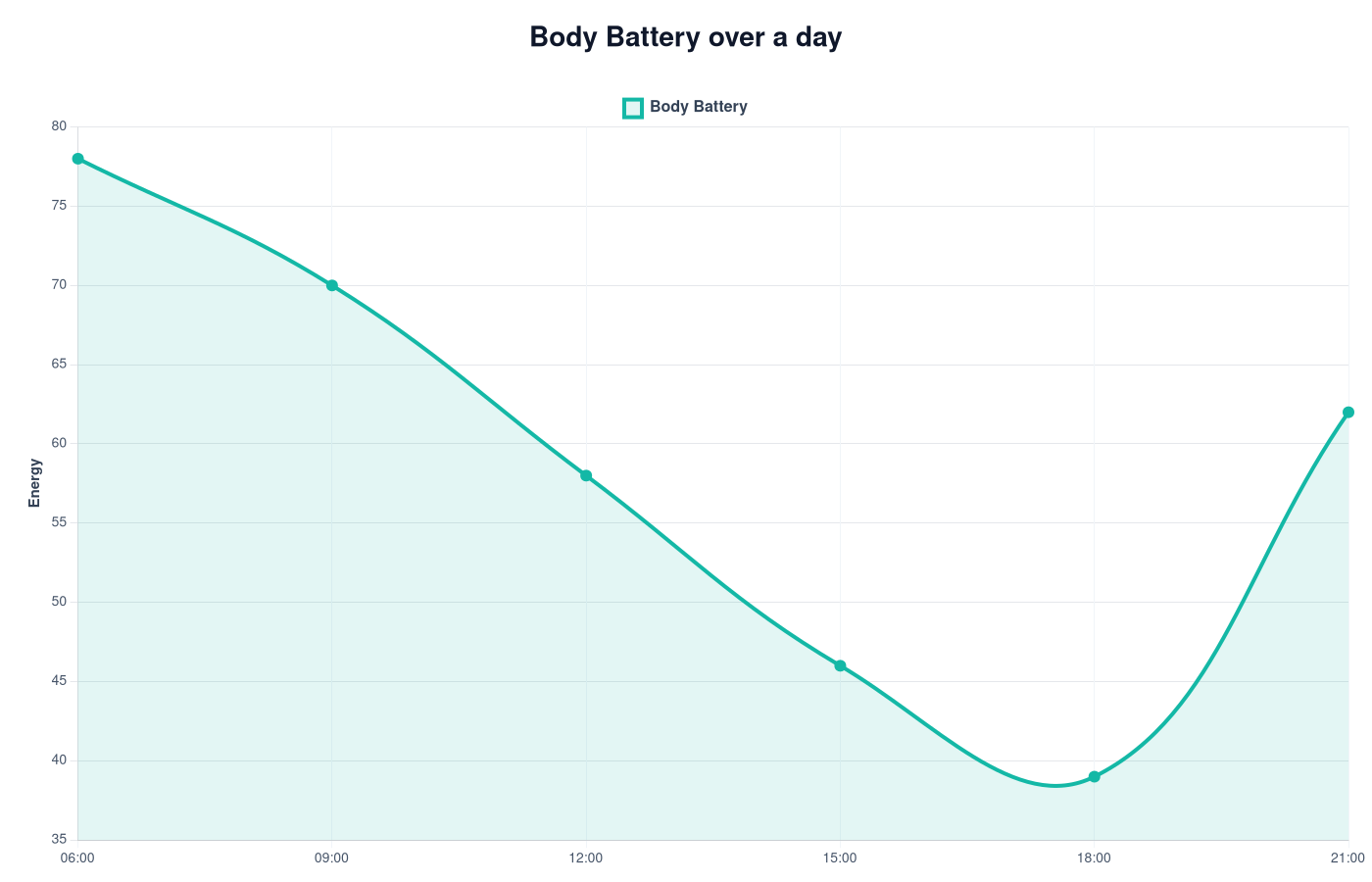
Body Battery Chart
Body Battery charts show how wearable devices estimate energy, recovery and stress patterns during the day.
View Chart →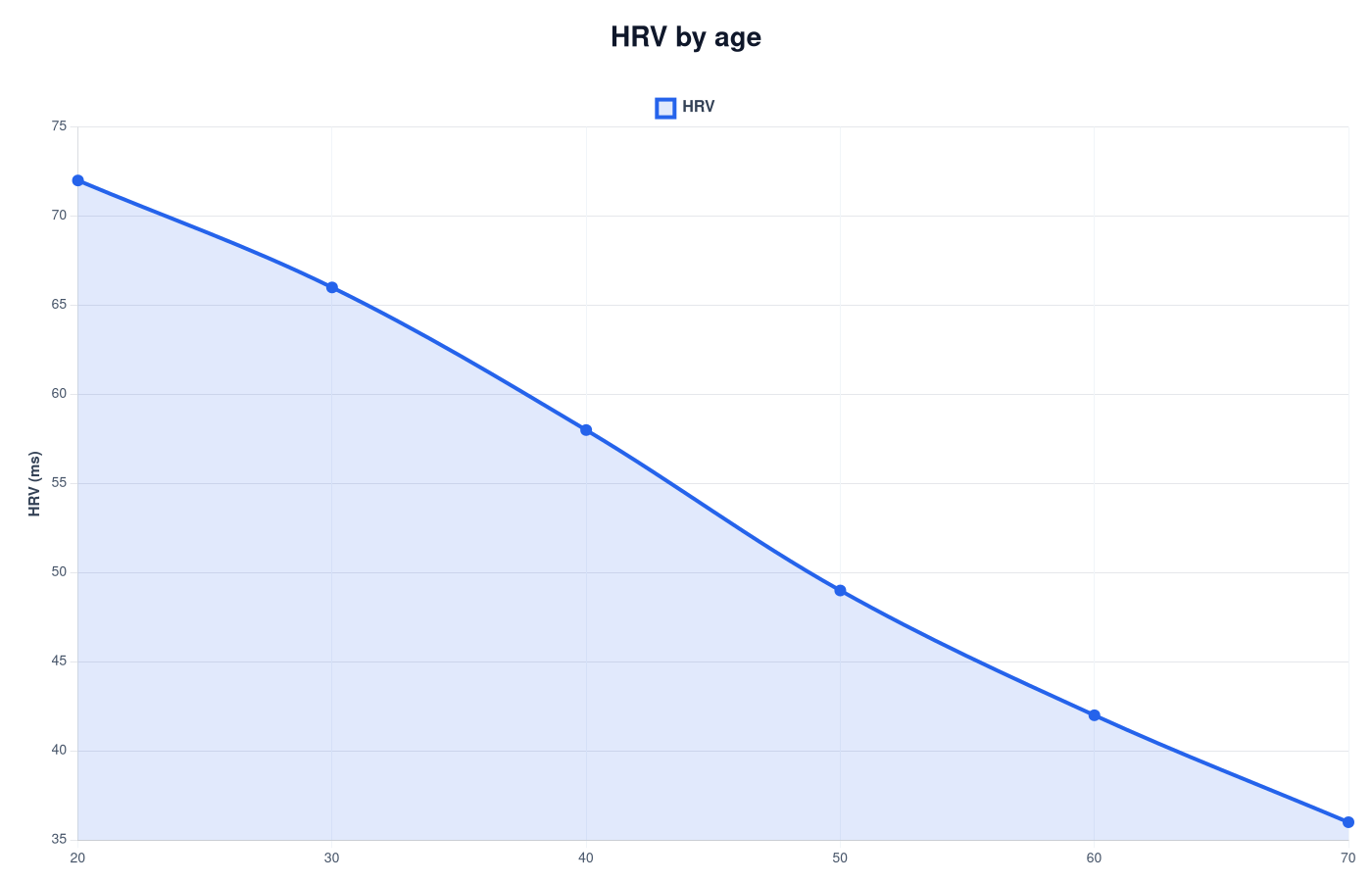
HRV Chart – Typical Heart Rate Variability Ranges
HRV trends show recovery and stress patterns over time.
View Chart →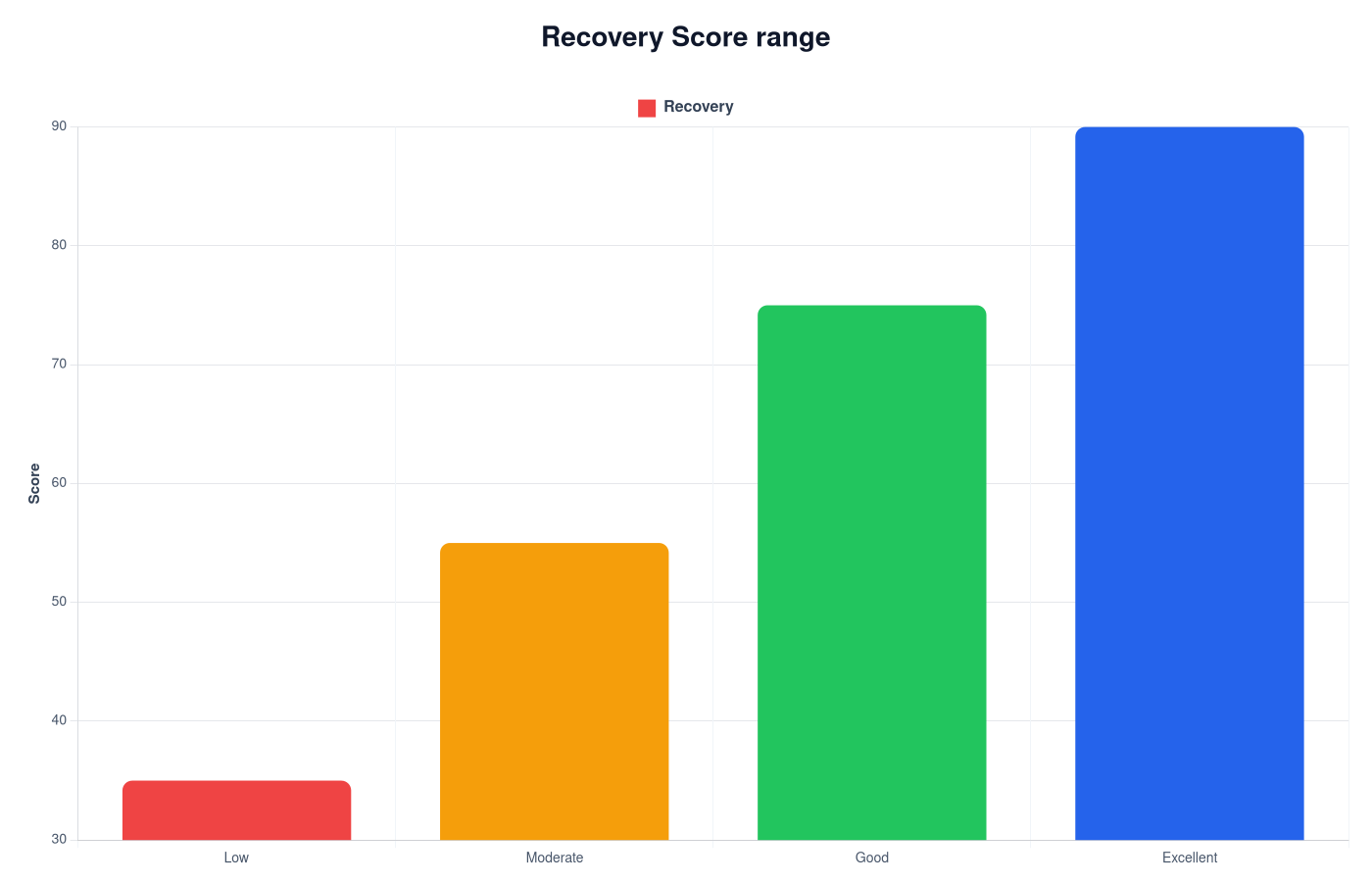
Recovery Score Chart
Recovery score charts show how wearables combine HRV, sleep and stress signals into one readiness value.
View Chart →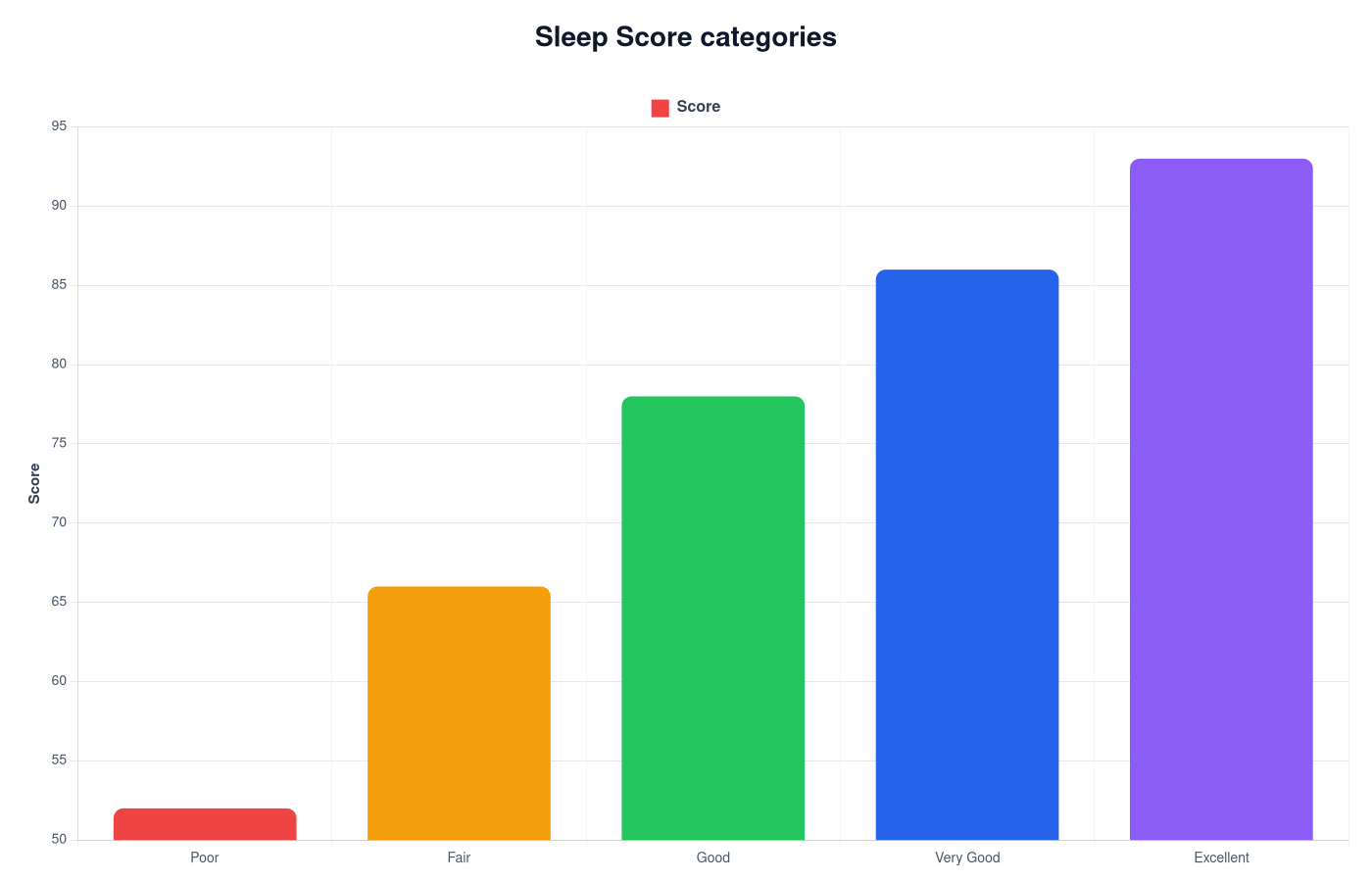
Sleep Score Chart – Sleep Quality Explained
Sleep score charts show typical score ranges and help interpret wearable sleep quality estimates.
View Chart →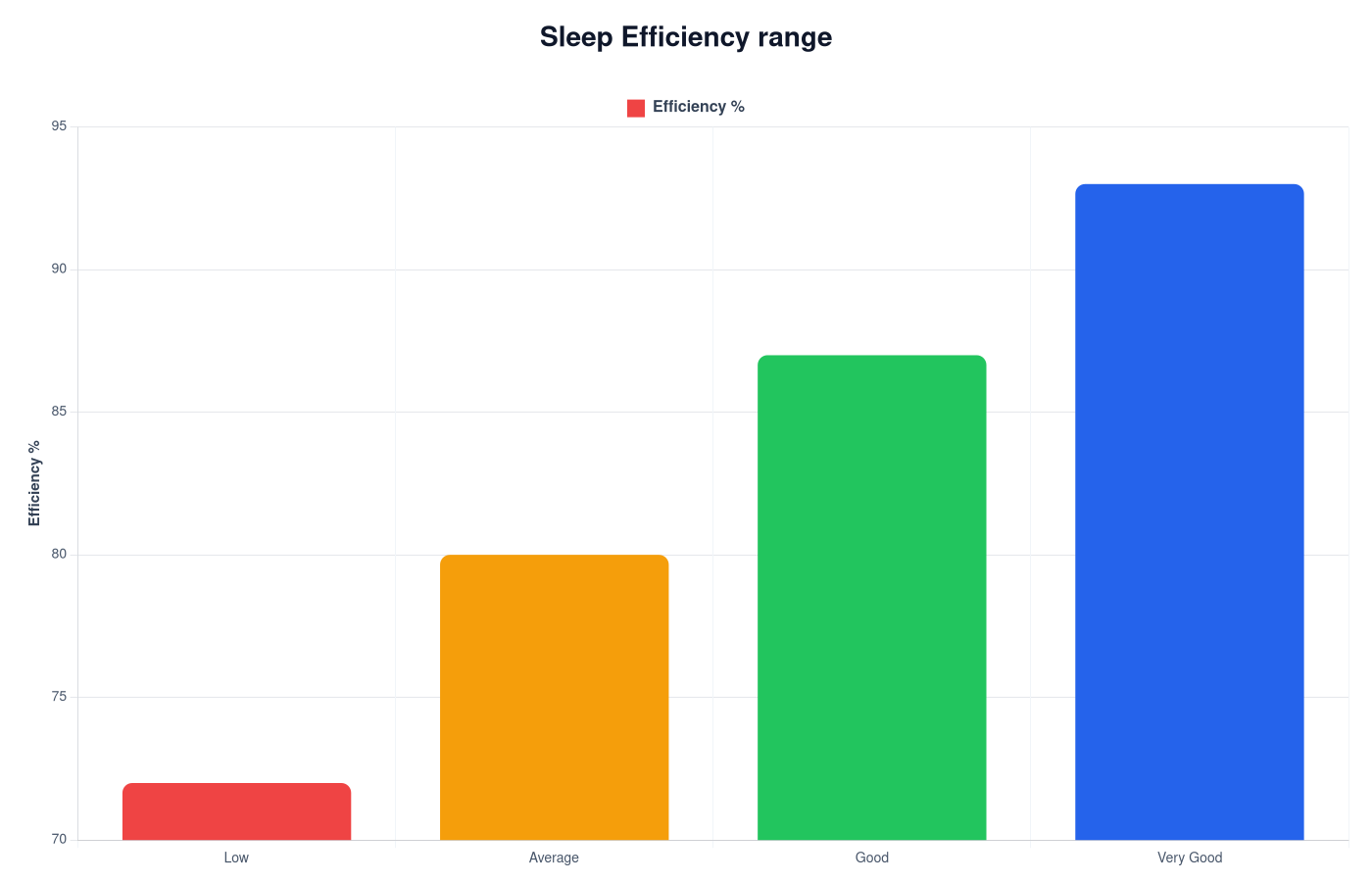
Sleep Efficiency Chart
Sleep efficiency charts show how much of your time in bed is spent sleeping and help interpret sleep continuity.
View Chart →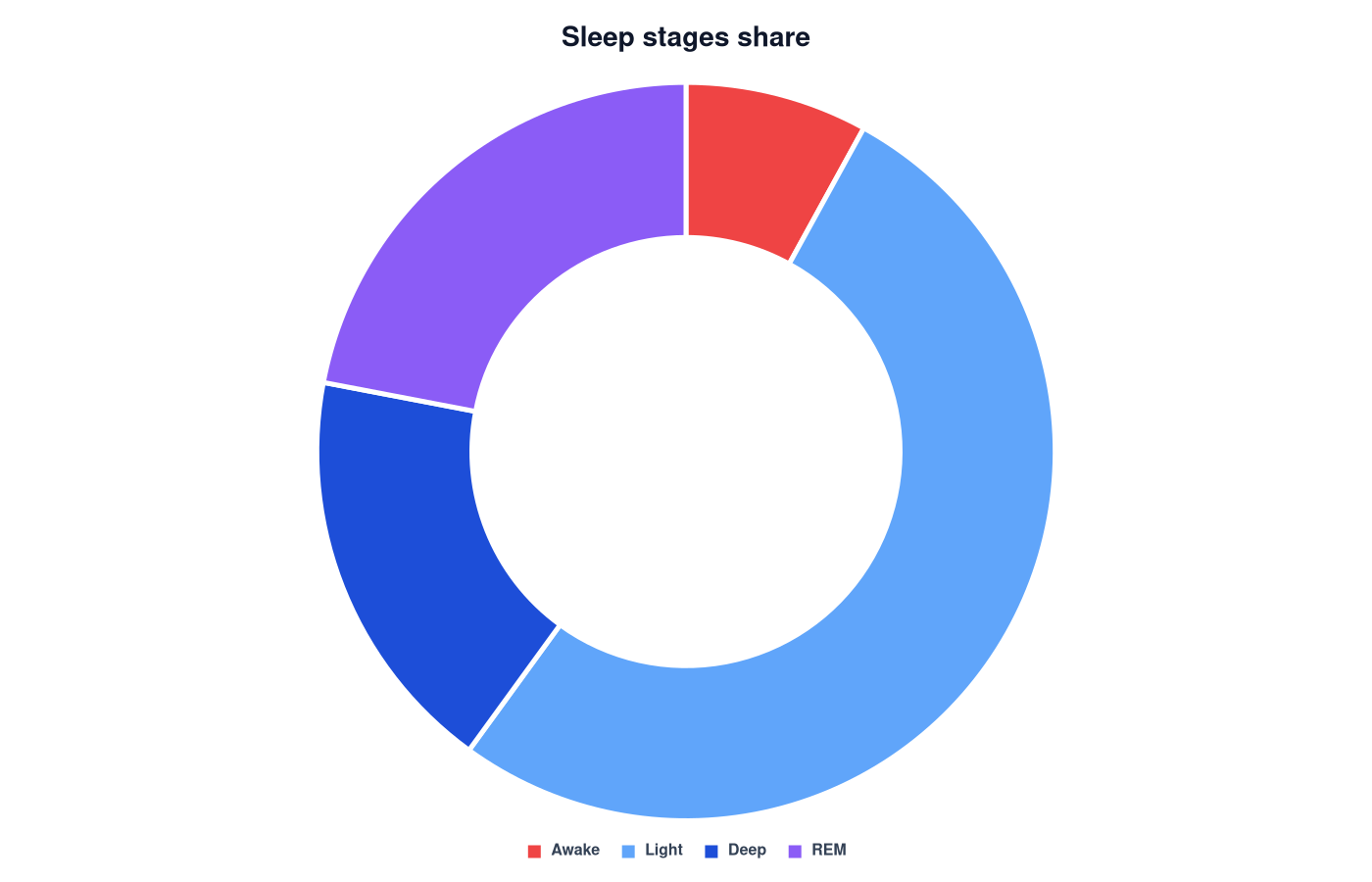
Sleep Stages Chart
Sleep stages charts show how sleep cycles are distributed between light sleep, deep sleep and REM sleep.
View Chart →