
How Whoop measures physiological signals
Whoop uses optical heart rate sensors to measure heart rate and heart rate variability continuously.
The device combines heart rate, HRV, sleep data and activity to estimate recovery scores.
Sleep tracking accuracy
Whoop estimates sleep duration and sleep performance using heart rate and motion data.
Sleep trends across multiple nights often provide more useful insights than a single measurement.
HRV measurement
Whoop measures HRV primarily during sleep when the body is at rest.
See the HRV Chart for typical HRV ranges.
Limitations
Like most wearable devices, Whoop provides estimated values rather than medical measurements.
However, long-term trends can still provide useful information about stress, recovery and training readiness.
How Accuracy Is Evaluated in Wearables
For Recovery Score and similar data, accuracy depends on sensors, measurement conditions and algorithm design.
Important factors include:
- whether data is captured at rest or during movement
- whether optical sensors or other methods are used
- how heavily the app smooths raw data
- how stable measurements are across several nights or days
Typical Limitations
Even strong wearables have limitations:
- movement often lowers signal quality
- single values may vary substantially
- algorithms differ across brands
- trends are usually more useful than one absolute value
Practical Interpretation
In practice, this means:
- measure under similar conditions whenever possible
- compare trends instead of isolated readings
- always interpret data alongside sleep, stress and training
Useful Internal Links
Recommended RECOVERY Trackers
Understand Your Health Data
LongLife Scan analyzes wearable health data and helps you understand patterns in stress, sleep and recovery.
Try LongLife ScanRelated Metrics

Health Metrics
Overview of wearable health metrics including HRV, VO2max, sleep and recovery.
View Metric →
Related Charts
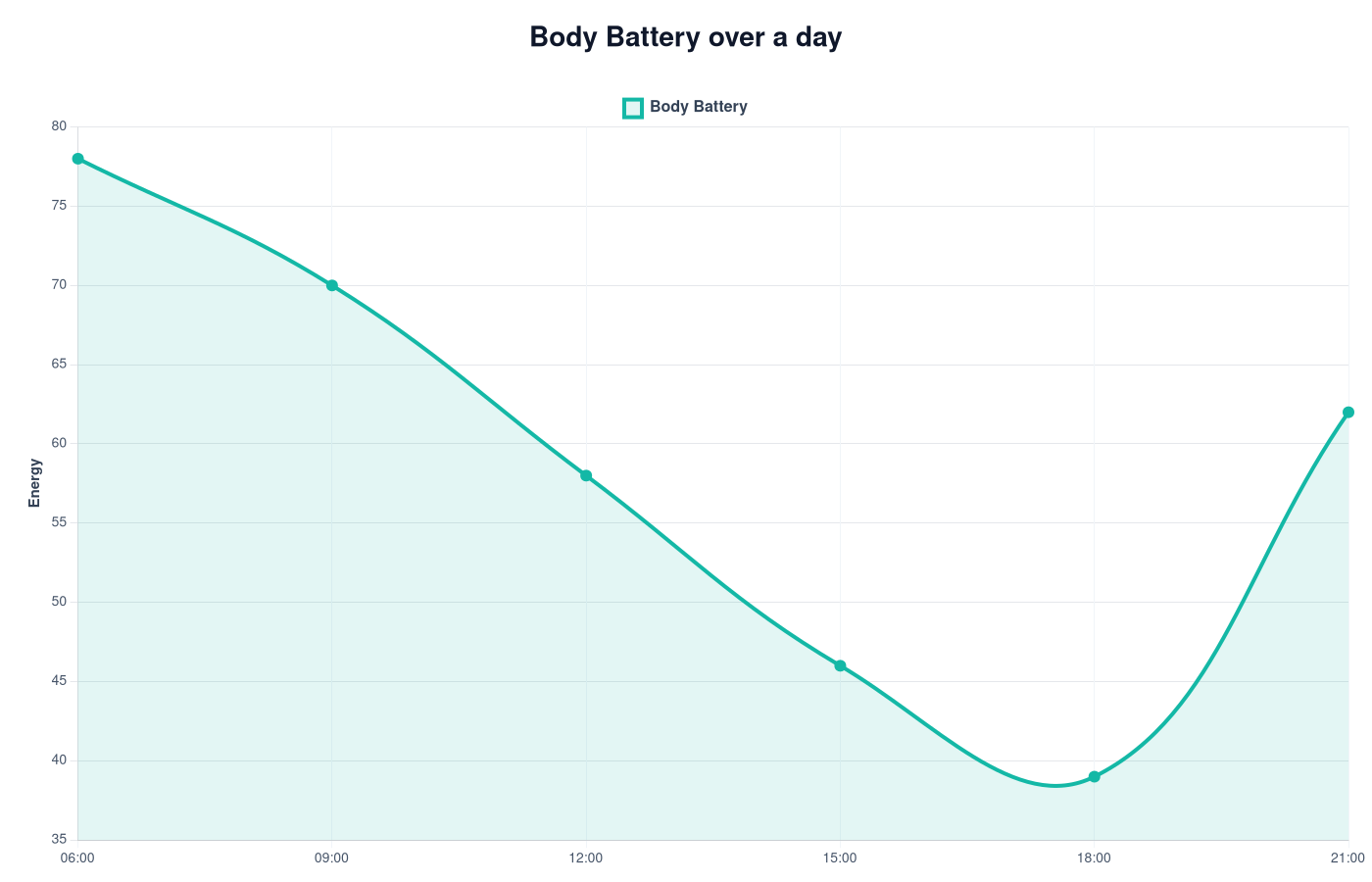
Body Battery Chart
Body Battery charts show how wearable devices estimate energy, recovery and stress patterns during the day.
View Chart →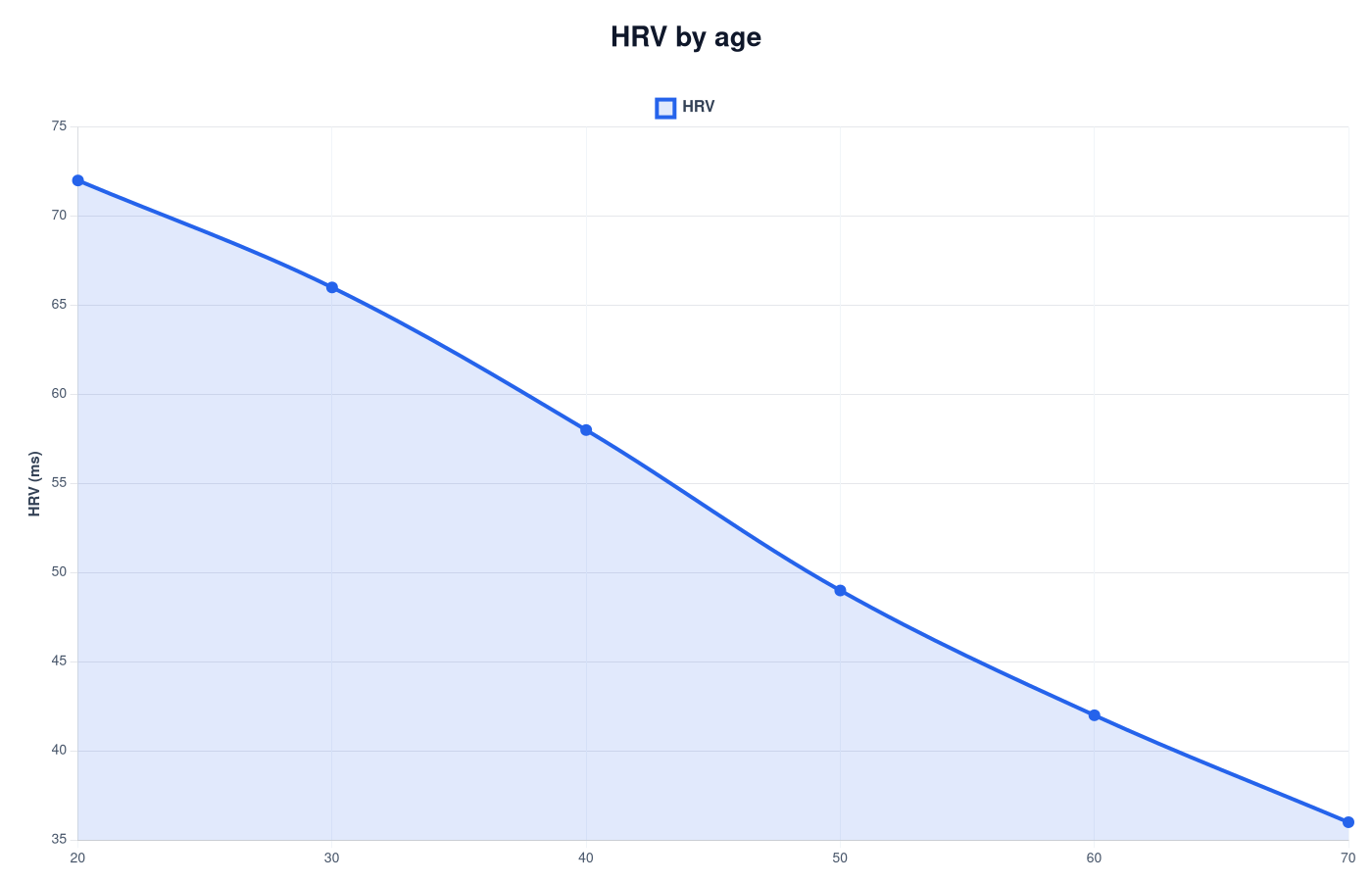
HRV Chart – Typical Heart Rate Variability Ranges
HRV trends show recovery and stress patterns over time.
View Chart →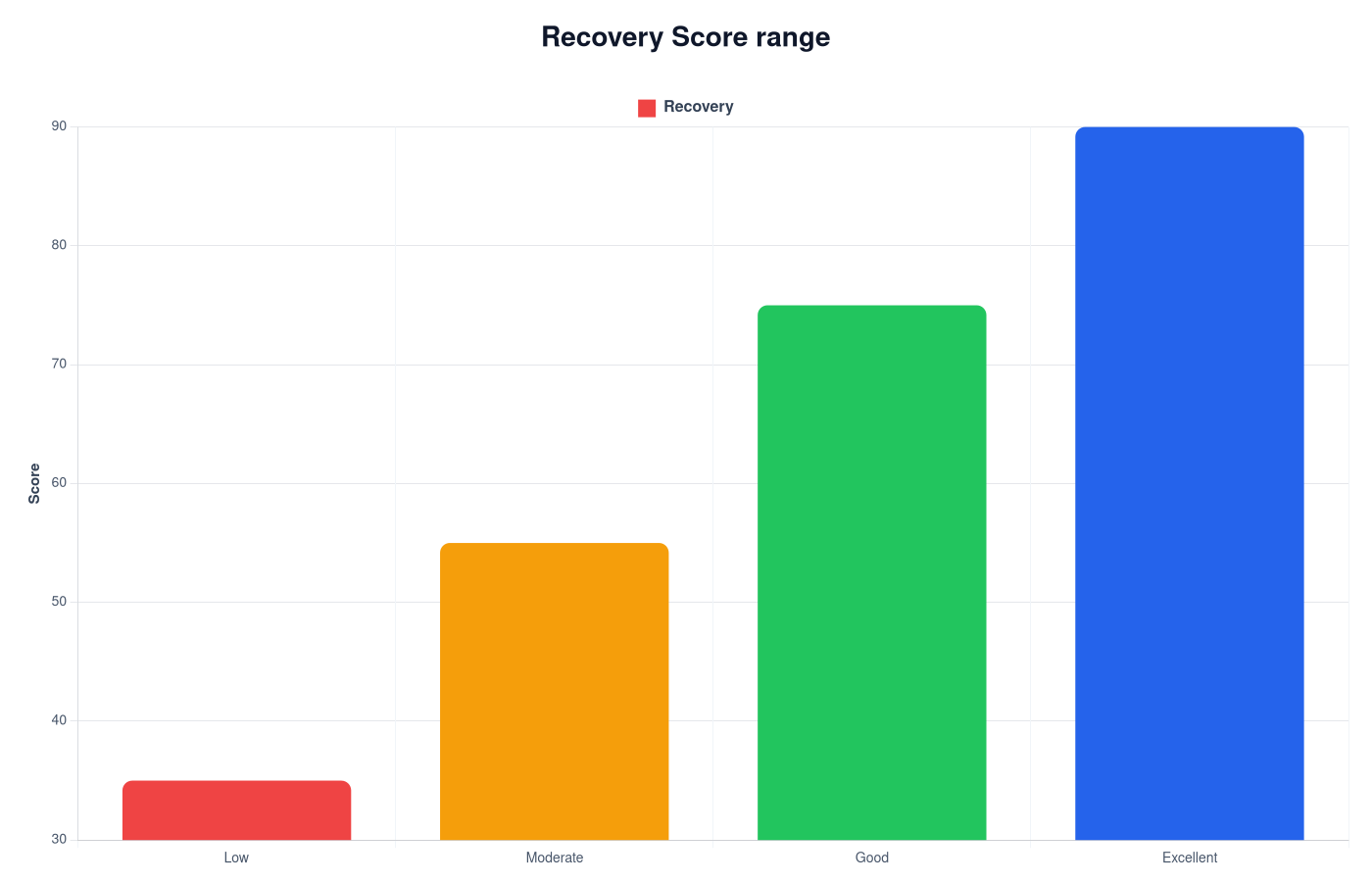
Recovery Score Chart
Recovery score charts show how wearables combine HRV, sleep and stress signals into one readiness value.
View Chart →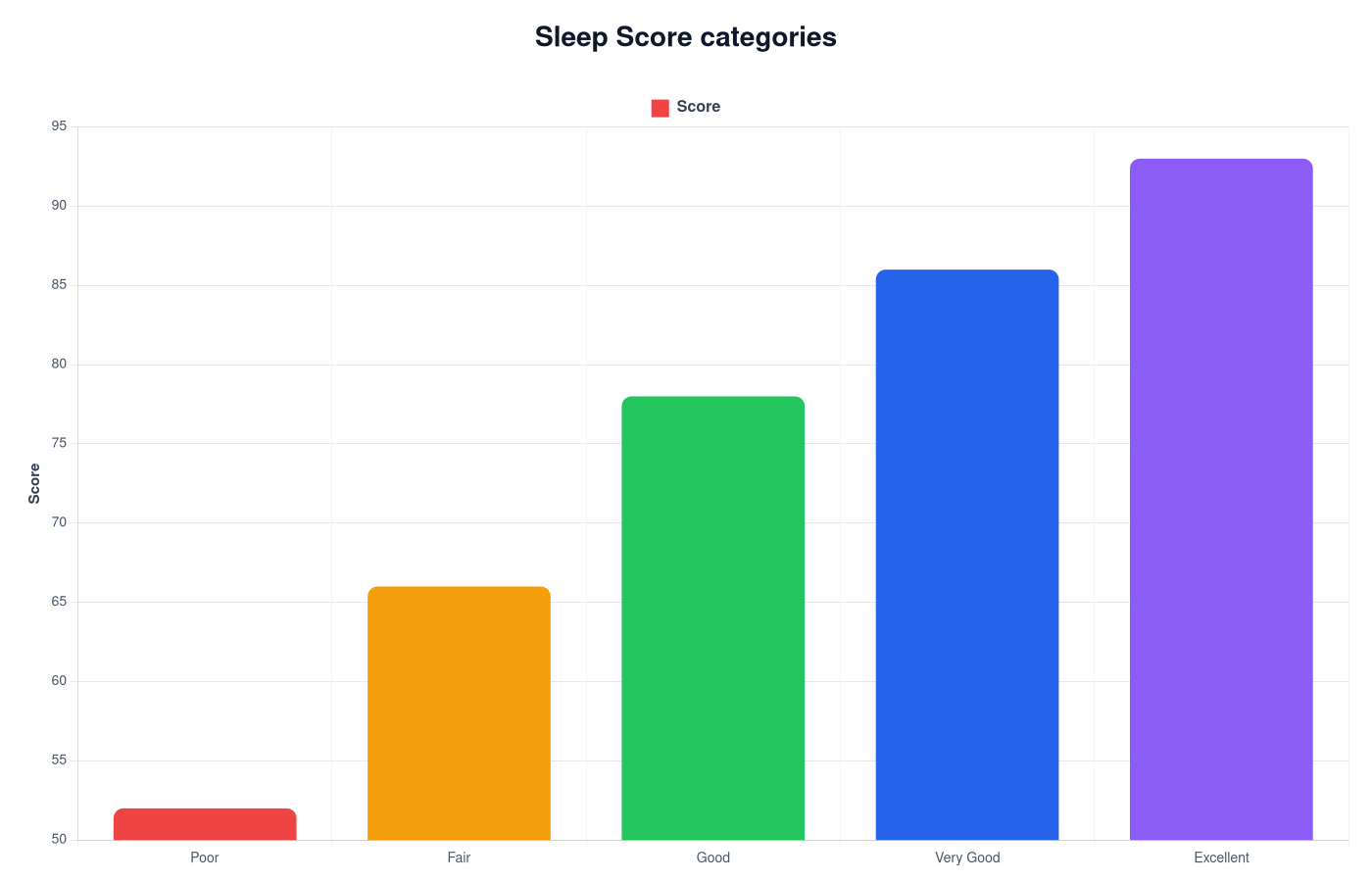
Sleep Score Chart – Sleep Quality Explained
Sleep score charts show typical score ranges and help interpret wearable sleep quality estimates.
View Chart →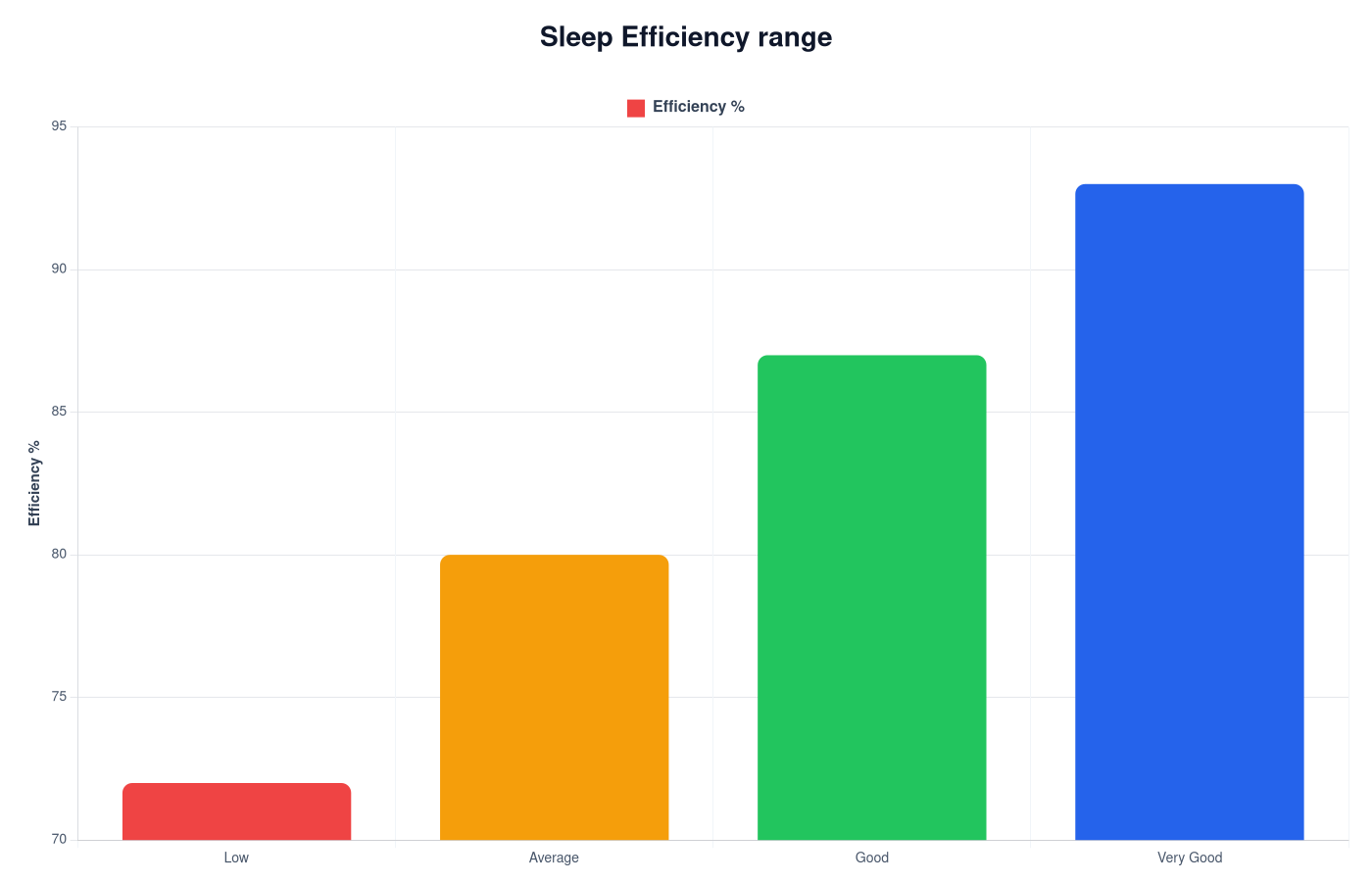
Sleep Efficiency Chart
Sleep efficiency charts show how much of your time in bed is spent sleeping and help interpret sleep continuity.
View Chart →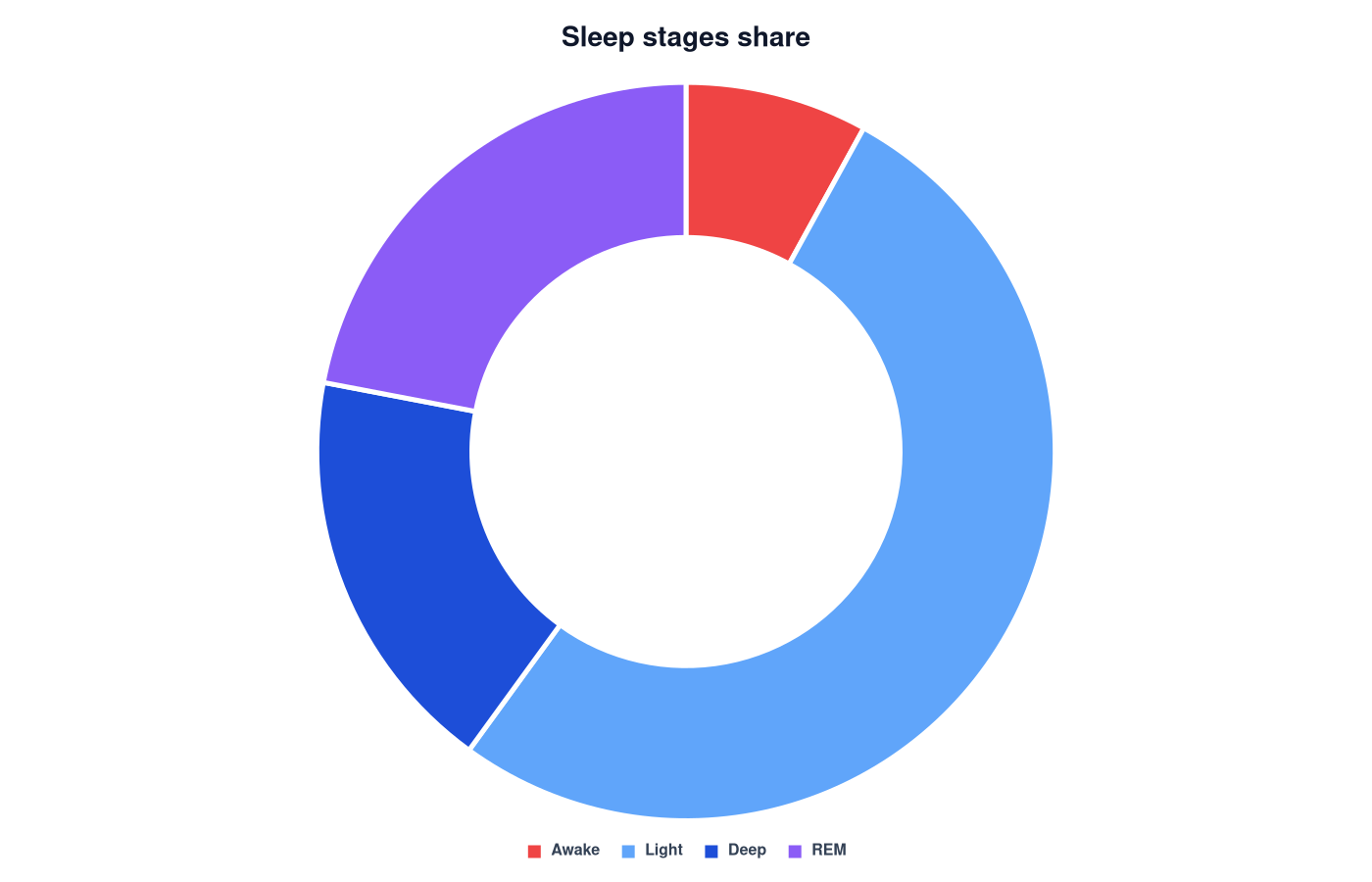
Sleep Stages Chart
Sleep stages charts show how sleep cycles are distributed between light sleep, deep sleep and REM sleep.
View Chart →