
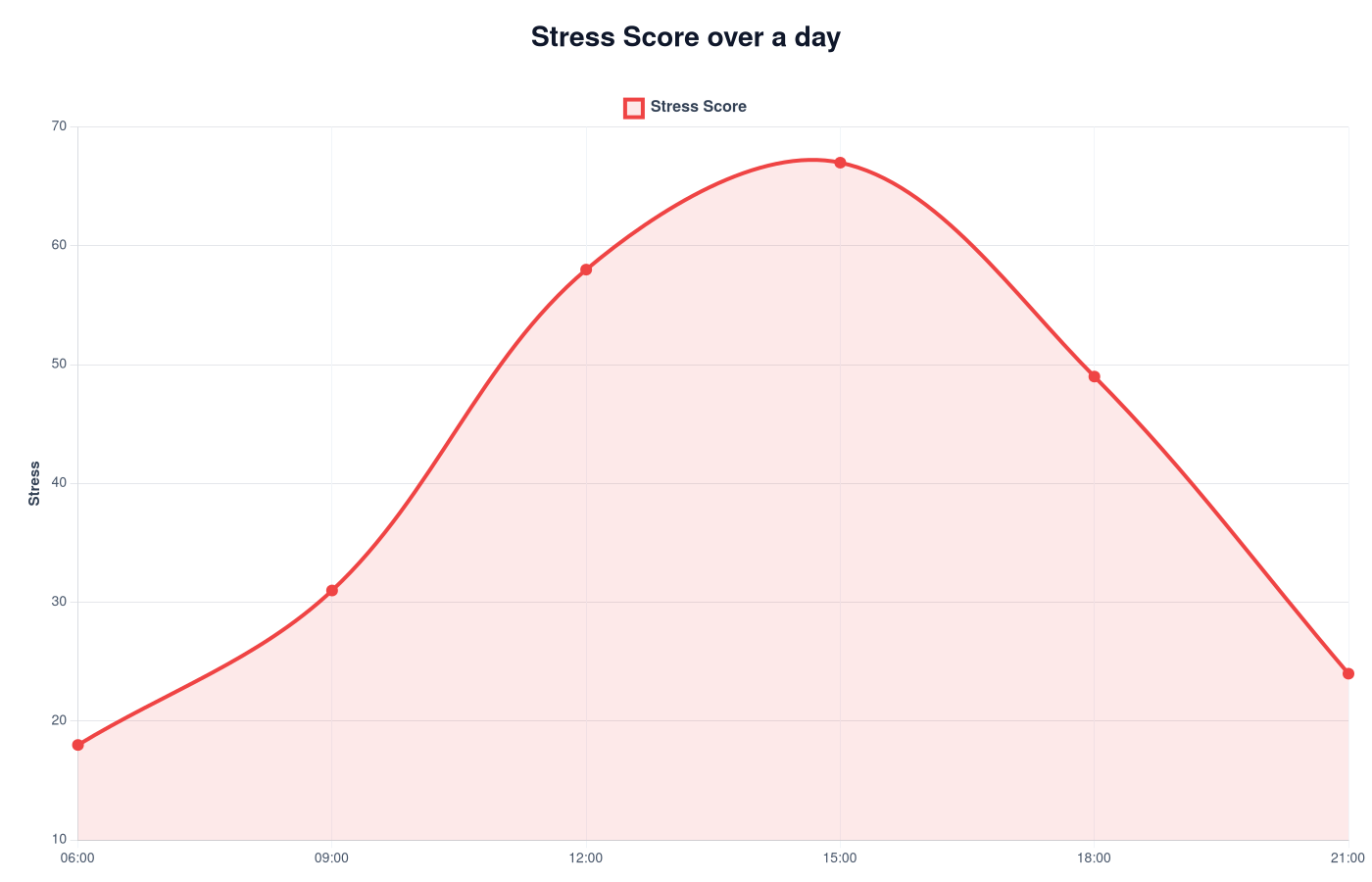
What a stress score represents
A stress score estimates how strongly your body is reacting to physiological stress.
Wearables often calculate stress using heart rate variability and heart rate patterns.
Typical stress score ranges
- Low stress — relaxed physiological state
- Moderate stress — normal daily stress levels
- High stress — elevated stress response
See the Stress Score Chart.
How to interpret stress scores
Short periods of higher stress scores can be normal during work, exercise or emotional stress.
Learn more about recovery metrics.
What the Value Means in Practice
The meaning of Stress Score always depends on context. A good value is not simply “high” or “low,” but appropriate for your situation.
How to Interpret the Value
Useful questions include:
- What does the trend look like across several days?
- Does the value fit your sleep and recovery data?
- Was there stress, alcohol, illness or hard training?
- Is the value far from your personal baseline?
Useful Internal Links
Recommended RECOVERY Trackers
Understand Your Health Data
LongLife Scan analyzes wearable health data and helps you understand patterns in stress, sleep and recovery.
Try LongLife ScanRelated Metrics
Health Metrics
Overview of wearable health metrics including HRV, VO2max, sleep and recovery.
View Metric →
Related Charts
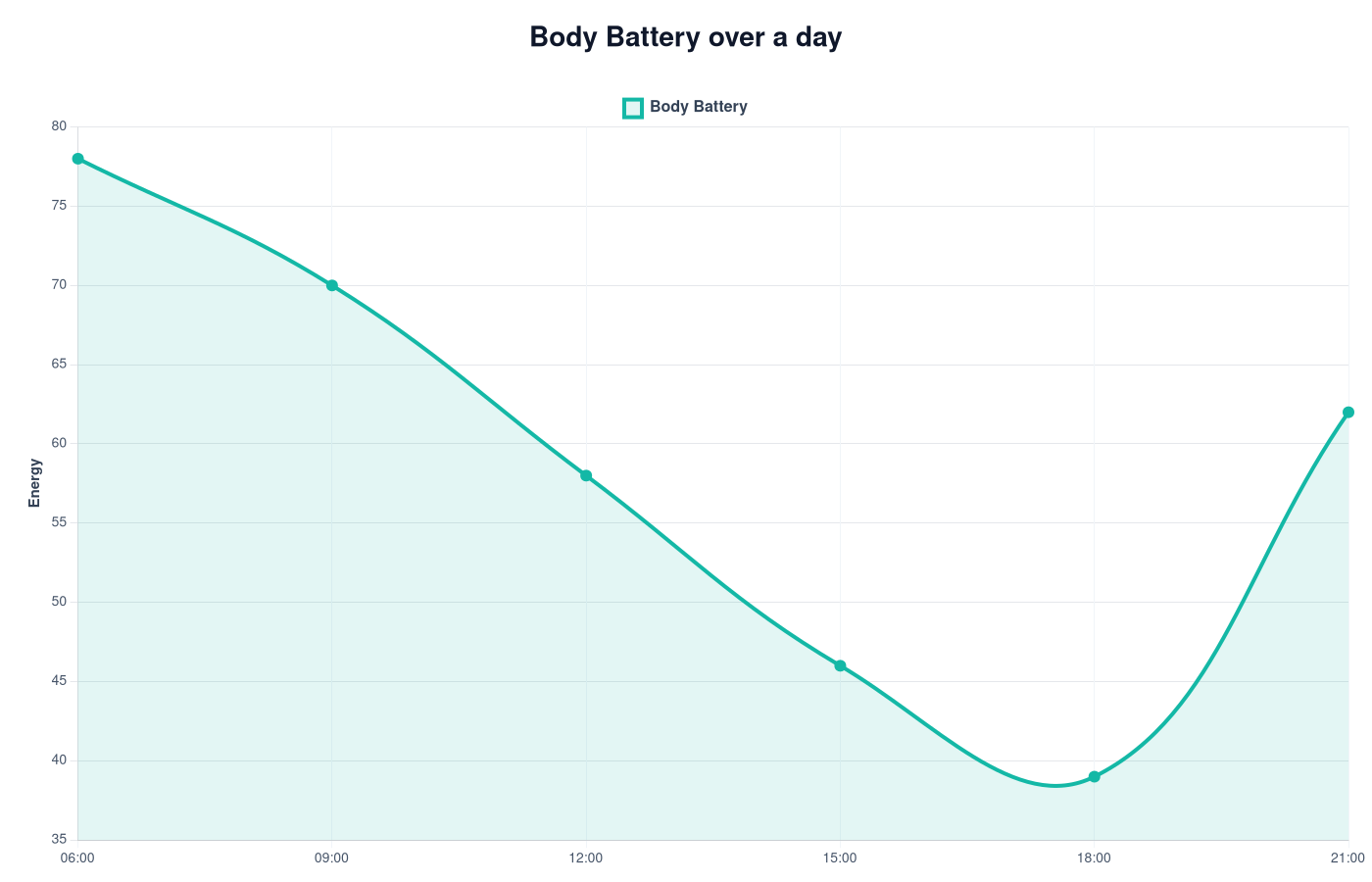
Body Battery Chart
Body Battery charts show how wearable devices estimate energy, recovery and stress patterns during the day.
View Chart →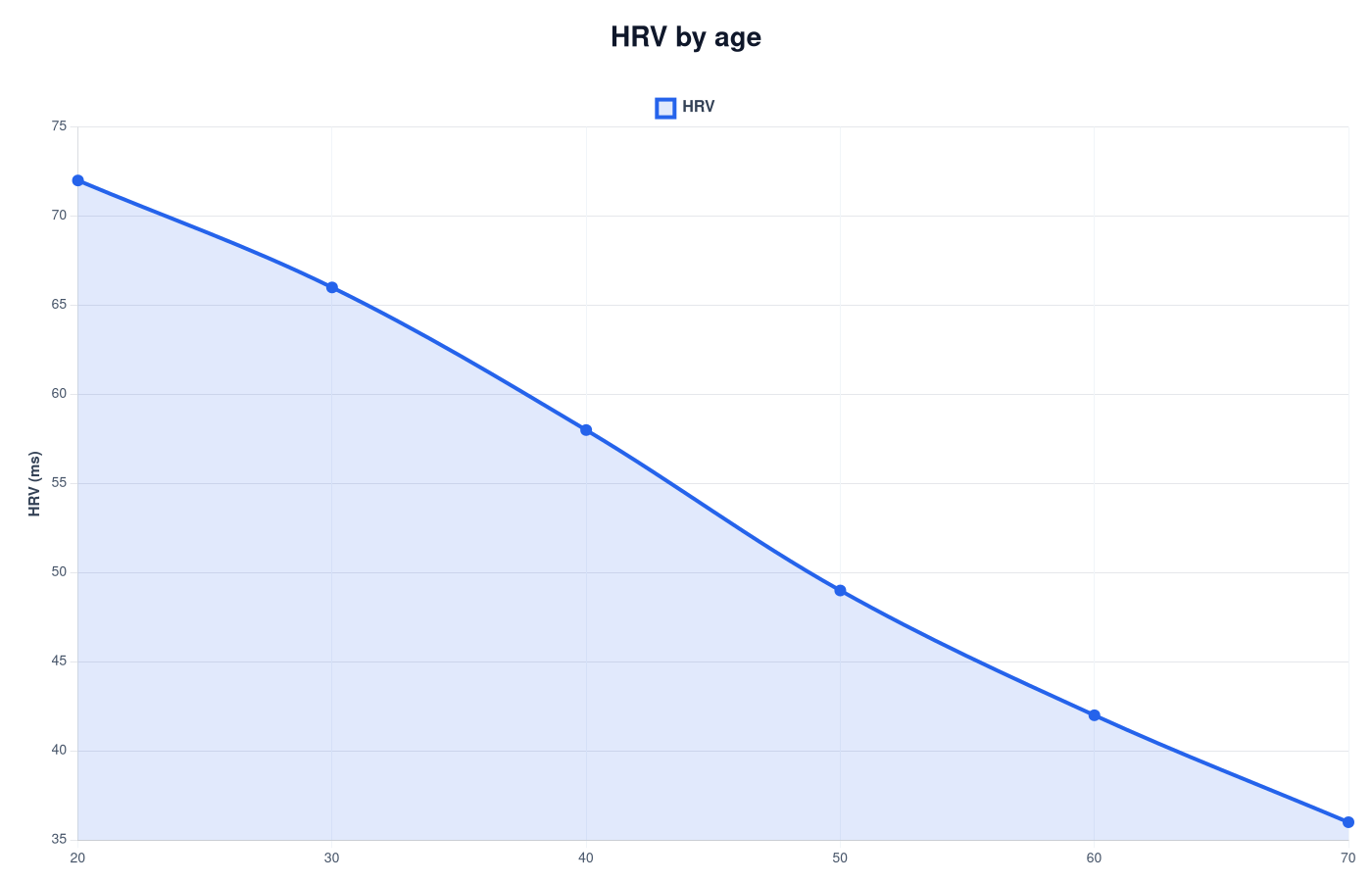
HRV Chart – Typical Heart Rate Variability Ranges
HRV trends show recovery and stress patterns over time.
View Chart →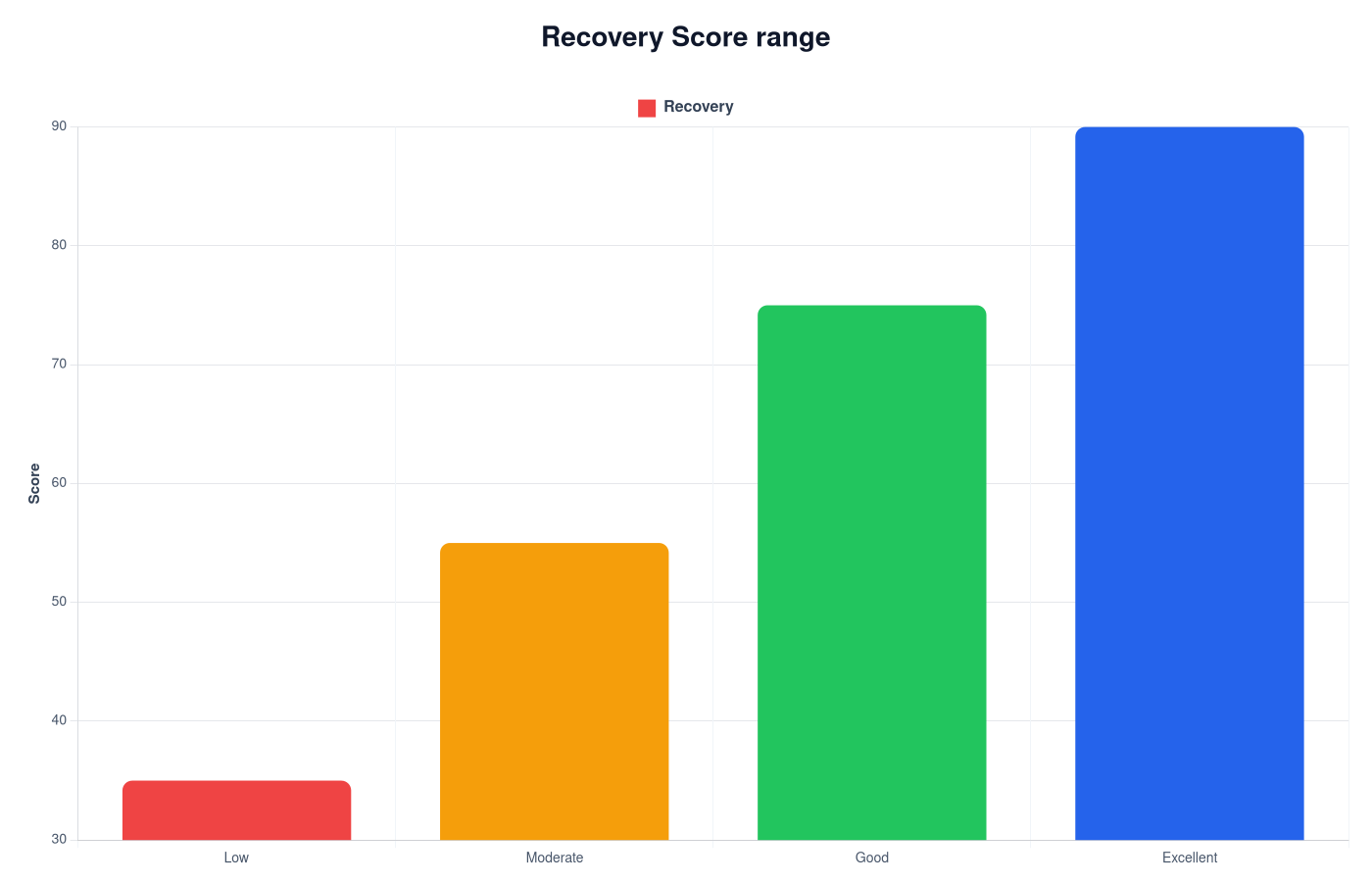
Recovery Score Chart
Recovery score charts show how wearables combine HRV, sleep and stress signals into one readiness value.
View Chart →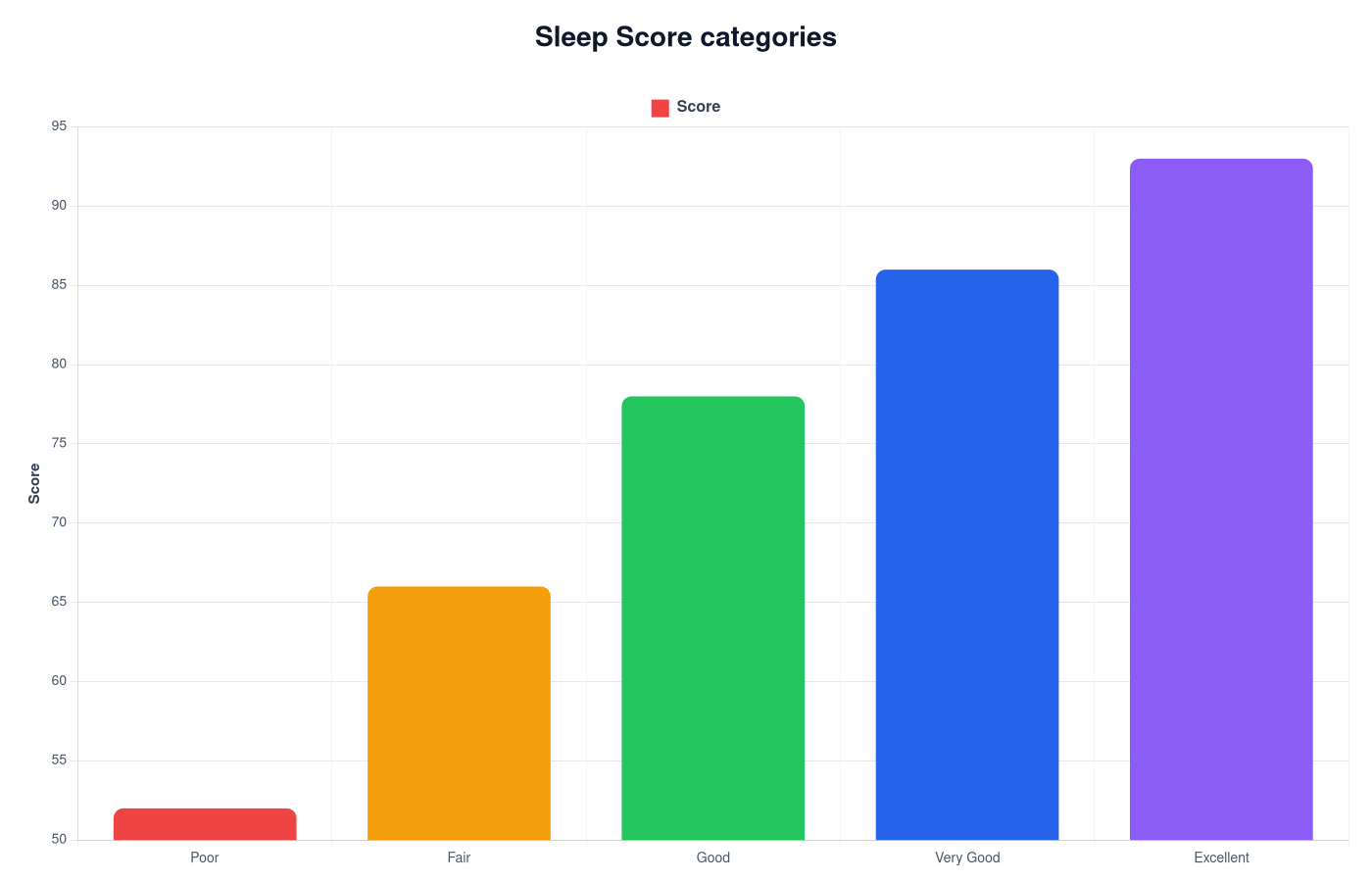
Sleep Score Chart – Sleep Quality Explained
Sleep score charts show typical score ranges and help interpret wearable sleep quality estimates.
View Chart →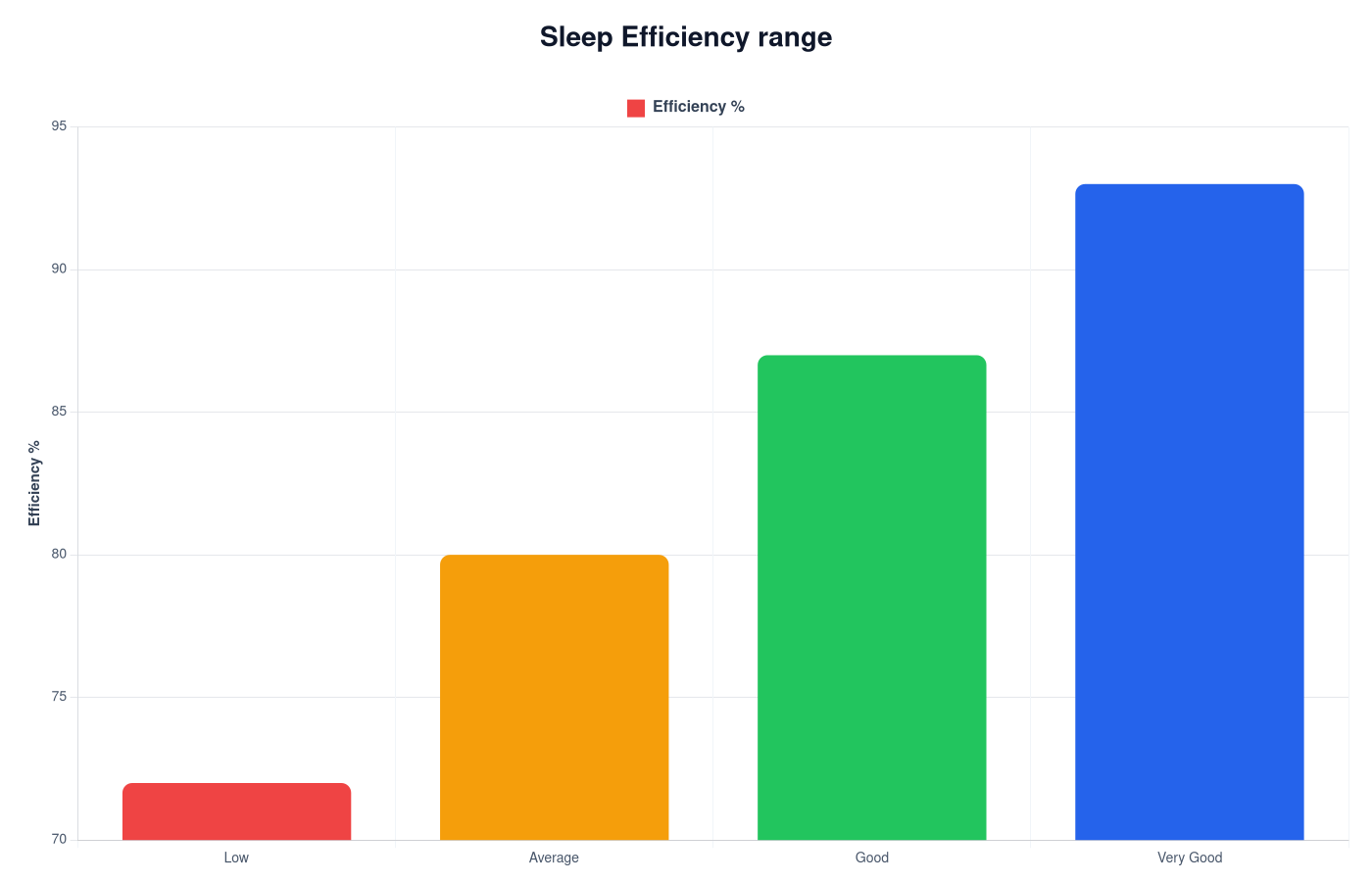
Sleep Efficiency Chart
Sleep efficiency charts show how much of your time in bed is spent sleeping and help interpret sleep continuity.
View Chart →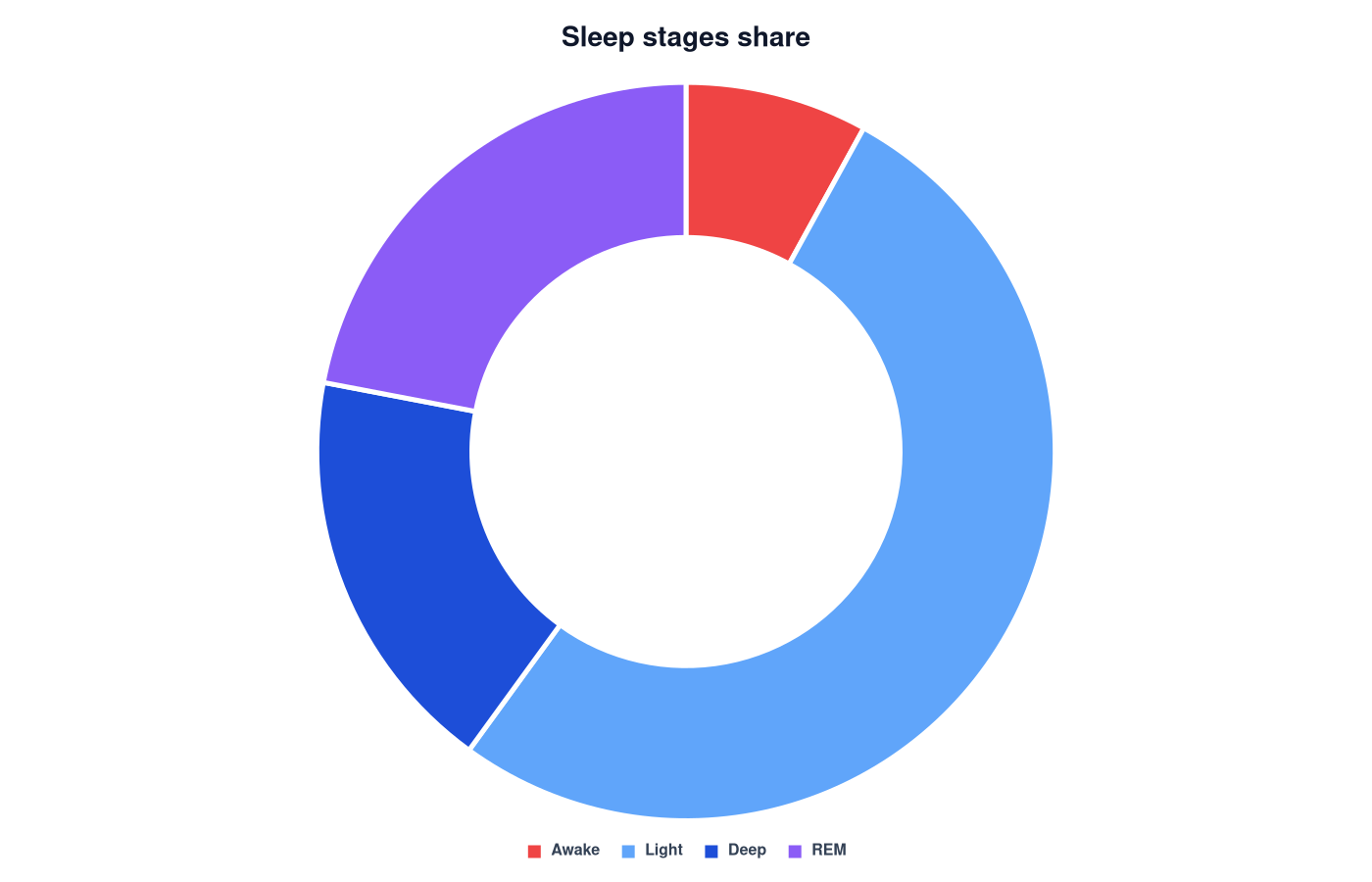
Sleep Stages Chart
Sleep stages charts show how sleep cycles are distributed between light sleep, deep sleep and REM sleep.
View Chart →