
Schlaf Artikel
- Bester Schlaftracker für HRV
- Beste Schlaftracker
- Garmin Schlaftracking Genauigkeit
- Was ist ein guter Schlafscore
- HRV im Schlaf
- Oura Ring Genauigkeit
- Oura Ring vs Whoop
- Schlafeffizienz Chart
- Schlafeffizienz Normalwert
- Schlafmetriken verstehen
- Schlafscore Chart
- Schlafscore Bedeutung
- Schlafphasen Chart
- Schlafphasen Bedeutung
- Schlaftracker Genauigkeit
- Stress Score Chart
- Schlaf Gesundheitsguide
The Ultimate Schlaf Guide: Your Pathway to Better Sleep
In our fast-paced, constantly connected world, sleep is often sacrificed in favor of productivity or entertainment. However, quality sleep is essential for overall well-being and health. This article serves as your ultimate Schlaf (German for "sleep") guide, explaining the fundamentals of sleep, its significance, how to interpret your sleep data, wearable technology's role, and practical tips to optimize your sleep.
Understanding Sleep
What is Sleep?
Sleep is a naturally recurring state of mind and body characterized by altered consciousness, relatively inhibited sensory activity, inhibition of muscle activity, and inhibition of interactions with surroundings. It is essential for physical health, emotional well-being, and cognitive function.
Stages of Sleep
Sleep consists of several stages, broadly categorized into:
-
NREM (Non-Rapid Eye Movement) Sleep:
- Stage 1: Light sleep, transition phase.
- Stage 2: Onset of sleep; body temperature drops.
- Stage 3: Deep sleep, essential for physical restoration.
-
REM (Rapid Eye Movement) Sleep:
- High brain activity; most dreaming occurs in this stage. Crucial for memory consolidation and emotional regulation.
Why Is Sleep Important?
- Physical Health: Sleep helps the body repair and rejuvenate.
- Mental Health: Affects mood, stress levels, and overall mental clarity.
- Cognitive Function: Directly linked to memory, learning, and problem-solving.
Interpreting Your Sleep Data
Wearable technology has made it easier than ever to monitor your sleep patterns. By analyzing sleep data, you can better understand your sleep quality and identify areas for improvement. Most wearables offer insights into:
- Total Sleep Time: The amount of sleep you've gotten.
- Sleep Stages: How much time you spent in each stage of sleep.
- Sleep Efficiency: The percentage of time spent asleep while in bed.
- Restlessness: How often you wake during the night or shift positions.
Understanding Your Sleep Scores
Many sleep tracking devices provide a "sleep score" based on multiple parameters. A good score generally indicates:
- Adequate duration of sleep.
- A balanced proportion of sleep stages.
- Low disturbances and high sleep efficiency.
Wearable Relevance
Wearable technology plays a significant role in sleep monitoring and improvement. Here’s how:
Popular Wearable Devices:
-
Fitness Bands (e.g., Fitbit, Garmin):
- Track sleep duration and stages.
- Provide heart rate monitoring during sleep.
-
Smartwatches (e.g., Apple Watch, Samsung Galaxy Watch):
- Advanced sleep tracking features, including blood oxygen levels.
- Integrated health apps for holistic insights.
-
Sleep Trackers (e.g., Oura Ring, Sleep Number):
- Specialized for detailed sleep analysis.
- Can monitor additional metrics like temperature and heart rate variability.
Benefits of Wearable Technology
- Objective Data: Provides an accurate assessment of your sleep patterns.
- Personalized Recommendations: Offers tailored advice based on your sleep habits.
- Trend Tracking: Allows you to see improvements or declines in sleep quality over time.
Practical Tips to Optimize Your Sleep
While technology has its benefits, having a practical approach to sleep is equally important. Here are some actionable tips to help you achieve better rest:
Establish a Sleep Routine
- Regular Sleep Schedule: Go to bed and wake up at the same time daily.
- Wind Down: Set aside at least 30 minutes for relaxation before bed (reading, meditating, etc.).
Create an Optimal Sleep Environment
- Dark and Cool Room: Aim for a dark, quiet, and cool environment for optimal sleep.
- Comfortable Bedding: Invest in comfortable mattresses and pillows to support better sleep.
Limit Screen Time Before Bed
- Blue Light Exposure: Reduce exposure to screens at least an hour before sleep.
- Alternative Activities: Opt for calming activities like reading or listening to soft music.
Watch Your Diet
- Limit Caffeine and Alcohol: Both can disrupt sleep quality if consumed too close to bedtime.
- Light Evening Snack: A small, healthy snack may help curb hunger without affecting sleep.
Use Wearables Effectively
- Analyze Your Sleep Data: Regularly check your sleep reports to track improvements or downtrends.
- Set Sleep Goals: Use insights gained from your wearable to establish and pursue sleep goals.
Conclusion
Understanding and optimizing sleep is a multifaceted process that encompasses knowledge and practical strategies. Embracing the Schlaf guide can lead you toward healthier sleep patterns and improved well-being. By leveraging wearable technology in conjunction with good sleep practices, you can monitor your progress and make informed choices that will positively impact your overall health. Start your journey to better sleep today and enjoy the myriad benefits that come with it.
Verstehe deine Gesundheitsdaten
LongLife Scan analysiert Wearable-Gesundheitsdaten und hilft dir, Muster in Stress, Schlaf und Erholung zu verstehen.
LongLife Scan ausprobierenVerwandte Metriken
HRV Metrik
Heart rate variability shows how your nervous system responds to stress and recovery.
Metrik ansehen →
Gesundheitsmetriken
Übersicht wichtiger Wearable Gesundheitsmetriken wie HRV, VO2max und Schlaf.
Metrik ansehen →
Verwandte Charts
Body Battery Chart
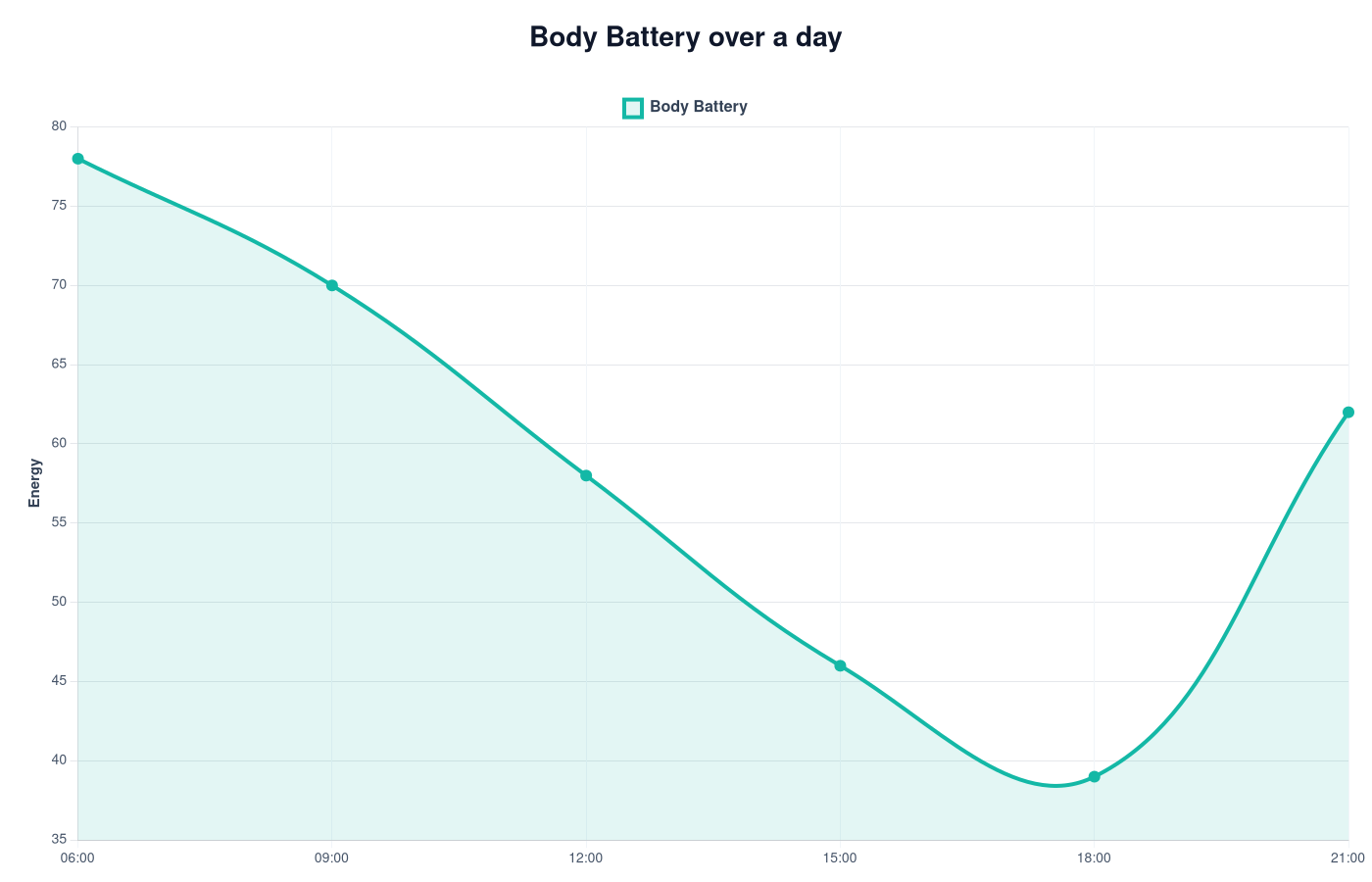
Body Battery Charts zeigen, wie Wearables Energie und Erholung über den Tag schätzen.
Chart ansehen →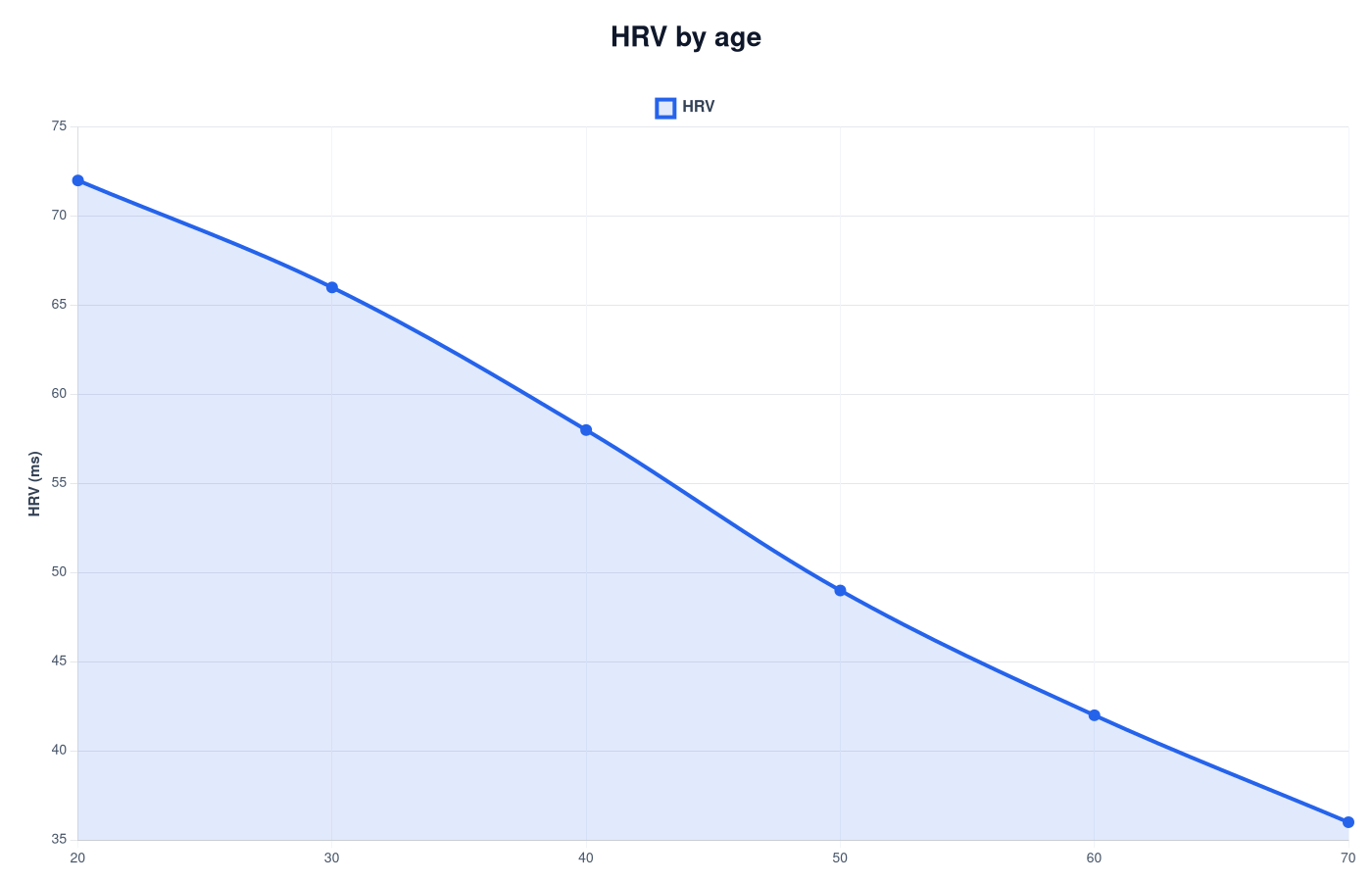
HRV Chart – typische HRV Bereiche
HRV Charts zeigen typische Bereiche der Herzratenvariabilität und helfen Werte besser einzuordnen.
Chart ansehen →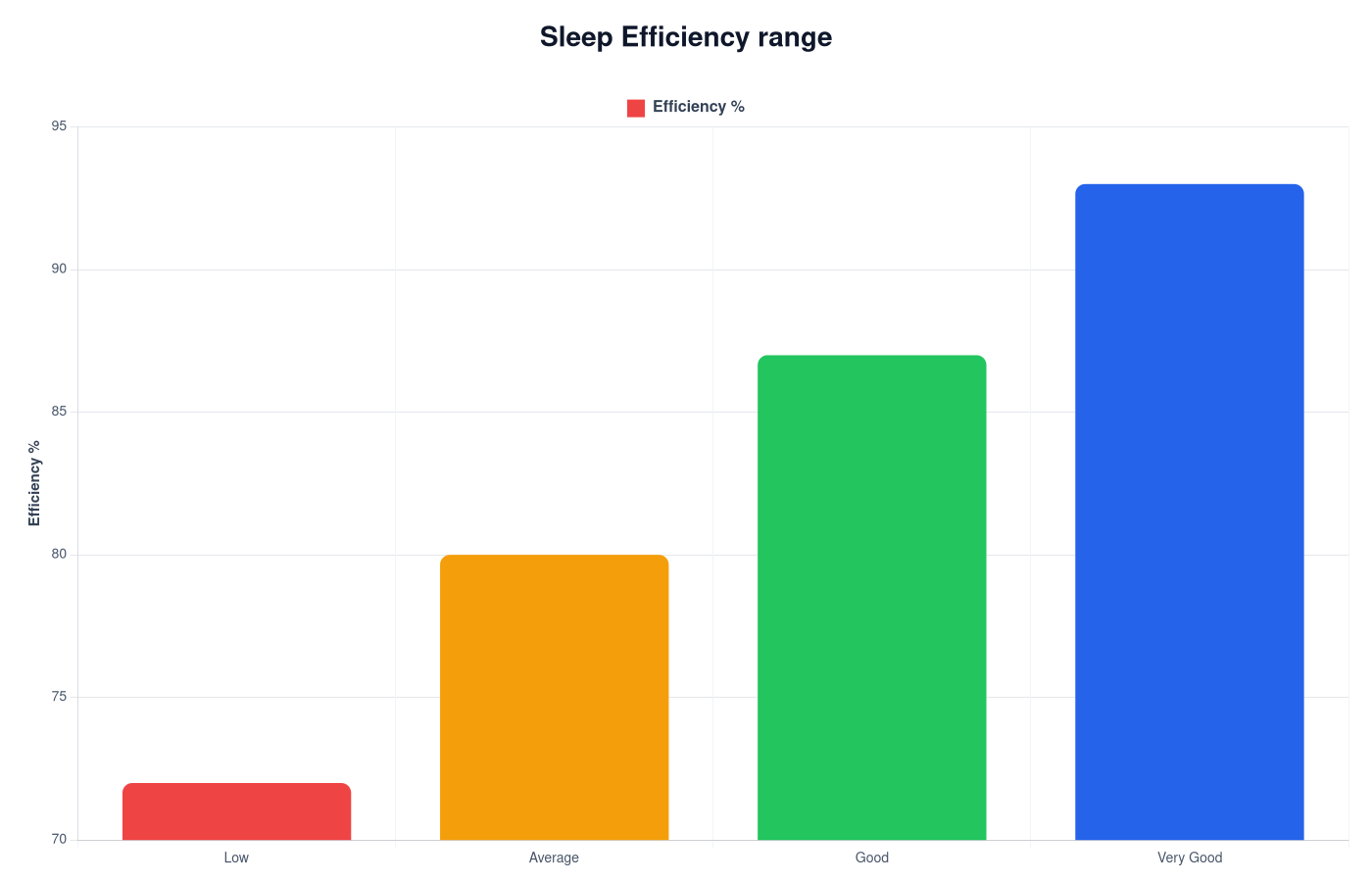
Schlafeffizienz Chart
Schlafeffizienz Charts zeigen, wie viel Zeit im Bett tatsächlich geschlafen wird und helfen die Schlafkontinuität besser einzuordnen.
Chart ansehen →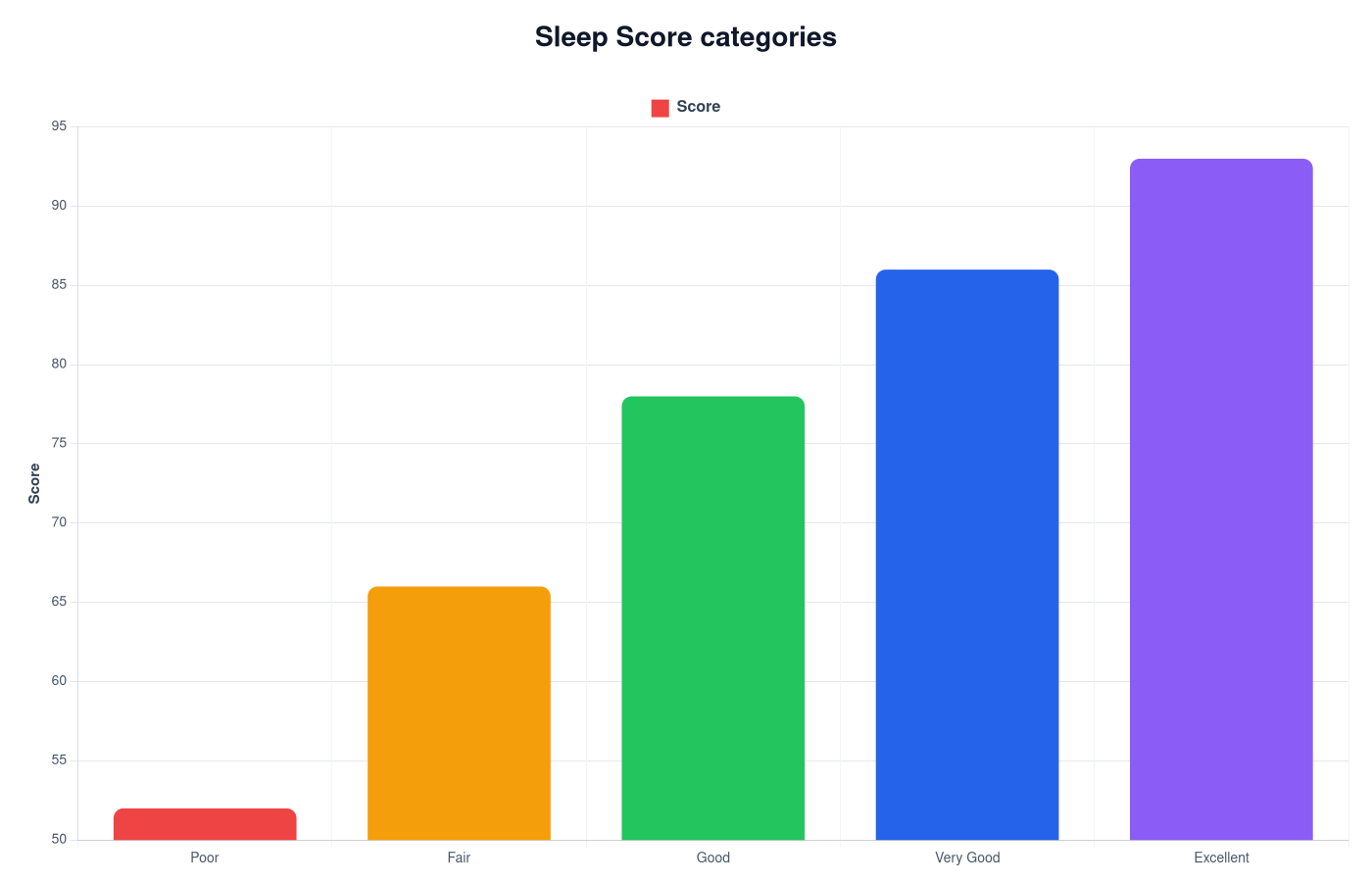
Schlafscore Chart
Schlafscore Charts zeigen typische Scorebereiche und helfen Wearable Schlafbewertungen zu verstehen.
Chart ansehen →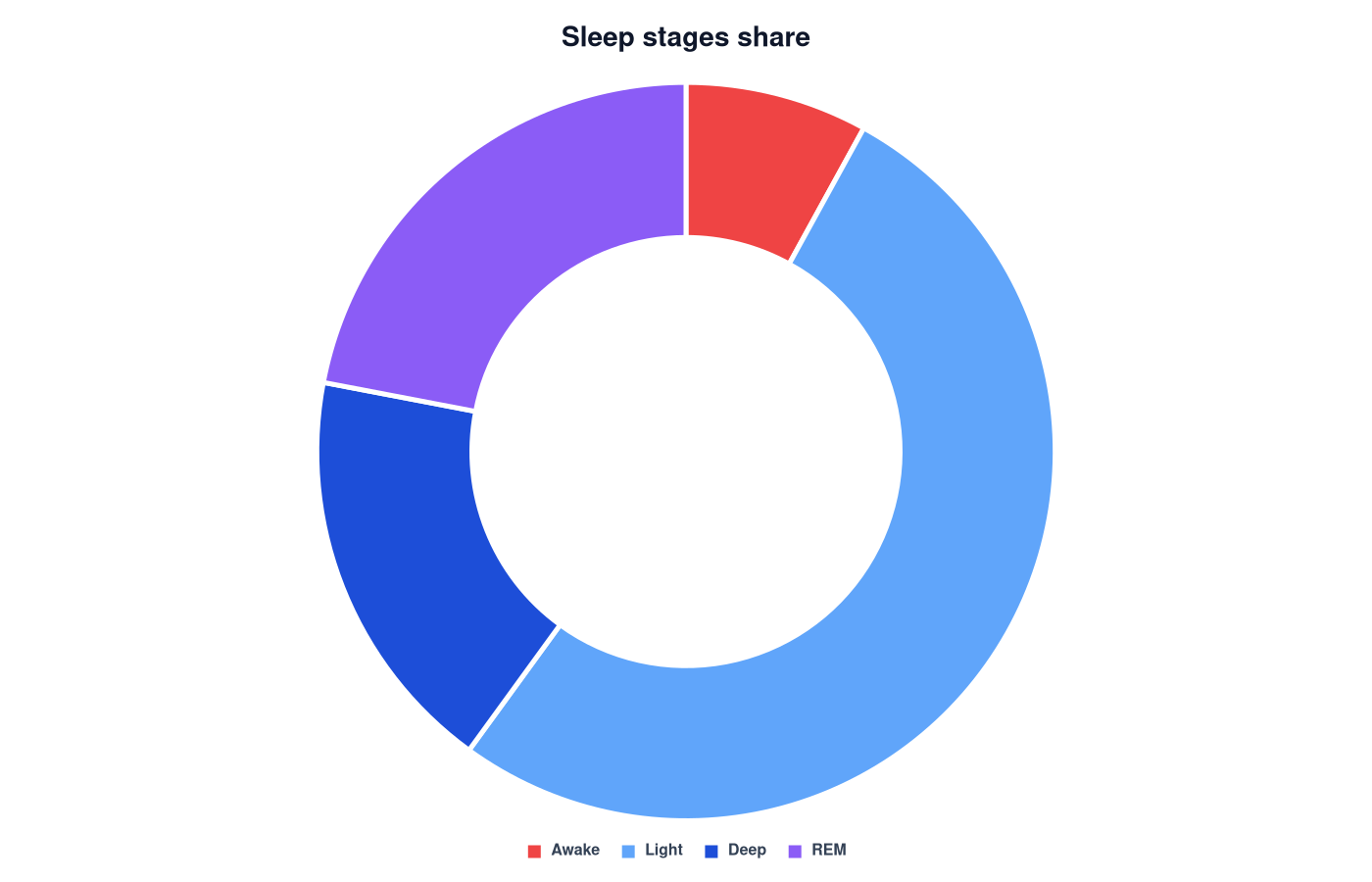
Schlafphasen Chart
Schlafphasen Charts zeigen die Verteilung von Leichtschlaf, Tiefschlaf und REM Schlaf.
Chart ansehen →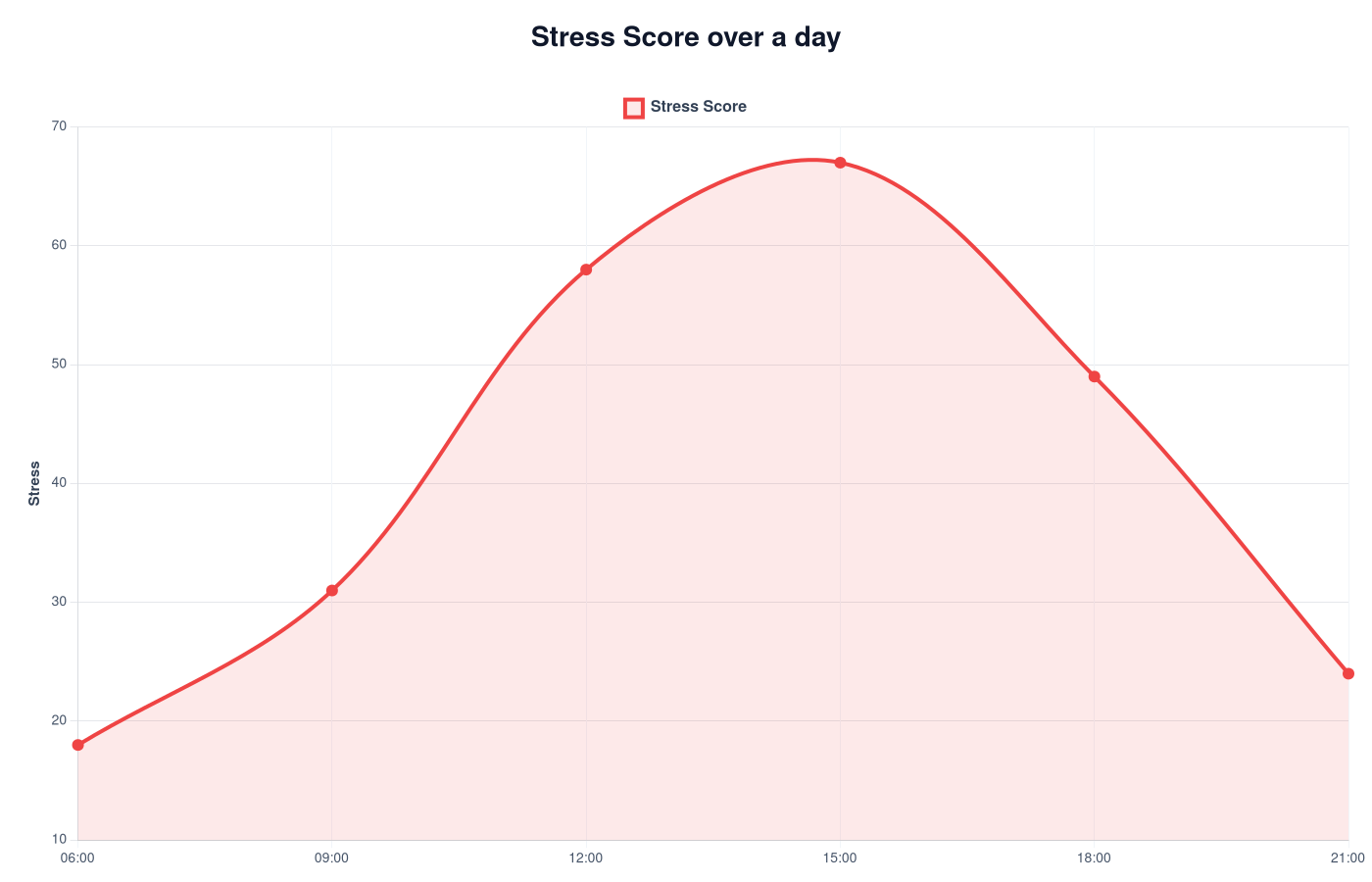
Stress Score Chart
Stress Score Charts zeigen typische Stressbereiche und helfen Wearable Stresssignale zu interpretieren.
Chart ansehen →