
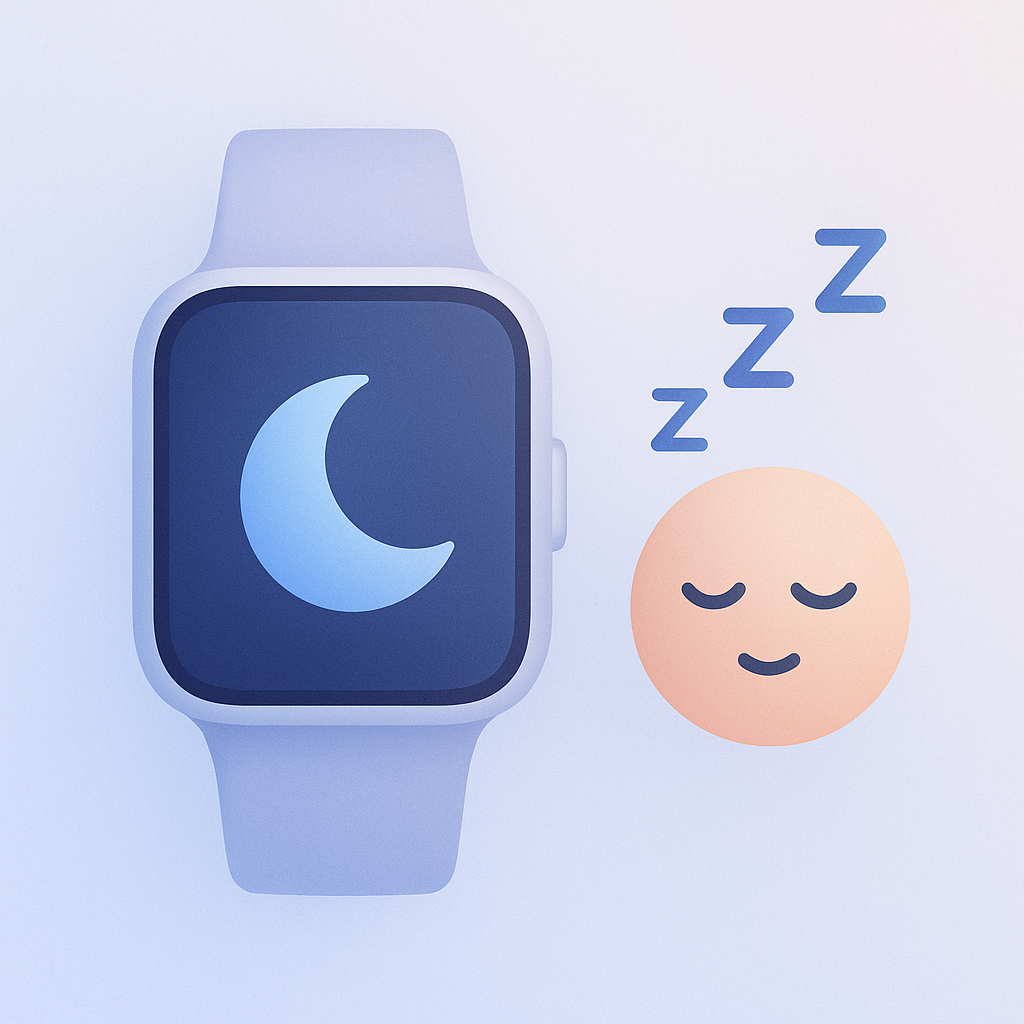
Schlaf Gesundheitsguide: Optimizing Sleep for Better Health
In today's fast-paced world, the importance of sleep cannot be overstated. The Schlaf Gesundheitsguide (Sleep Health Guide) is designed to help individuals understand the significance of sleep, its interpretation, and how wearable technology can enhance sleep quality. This article explores the importance of sleep, the implications it has on health, and practical applications that anyone can implement to improve their sleep experience.
Understanding Sleep Health
What is Sleep Health?
Sleep health goes beyond simply clocking in hours at night; it refers to the quality, timing, and duration of sleep that supports optimal daytime functioning. Proper sleep health is crucial for mental and physical well-being, reducing the risk of chronic conditions, and enhancing overall quality of life.
Key Components of Sleep Health:
- Quality: The restorative aspect of sleep—deep sleep phases are vital for recovery and rejuvenation.
- Quantity: The total hours of sleep needed can vary by age and individual needs, but adults generally require 7-9 hours each night.
- Consistency: Maintaining a regular sleep schedule by going to bed and waking up at the same time each day promotes better sleep patterns.
- Environment: A conducive sleep environment, with minimal noise, appropriate temperature, and darkness, is essential for quality sleep.
Interpretation of Sleep Patterns
The interpretation of your sleep patterns can unveil significant insights into your overall health. By paying attention to different sleep stages—light sleep, deep sleep, and REM (Rapid Eye Movement) sleep—you can gain a comprehensive picture of your sleep health.
The Stages of Sleep:
- Light Sleep: Essential for transition and prepares your body for deeper sleep.
- Deep Sleep: The most restorative phase, critical for physical health, immune function, and memory consolidation.
- REM Sleep: Important for cognitive functions, mood regulation, and memory processing.
Indicators of Poor Sleep Health:
- Difficulty falling asleep
- Frequent nighttime awakenings
- Early morning awakenings with an inability to return to sleep
- Daytime fatigue or sleepiness
- Mood fluctuations and irritability
Knowing these red flags can help users seek strategies or interventions for better sleep health.
Wearable Technology and Sleep Health
In recent years, wearable technology has emerged as a valuable tool for tracking and improving sleep quality. Devices like smartwatches, fitness trackers, and dedicated sleep trackers provide real-time data that can help users gain insights into their sleep habits.
Benefits of Wearable Devices for Sleep Monitoring:
- Sleep Tracking: Accurately captures hours of sleep, sleep cycles, and disturbances throughout the night.
- Sleep Score: Provides an overall score based on sleep quality, helping users identify areas of improvement.
- Personalized Insights: Offers tailored recommendations based on individual data, promoting better sleep habits.
- Integration with Health Apps: Many devices sync with health apps to correlate sleep data with physical activity, heart rate, and stress levels for a holistic health profile.
Practical Application of the Schlaf Gesundheitsguide
To implement the principles of the Schlaf Gesundheitsguide effectively, follow these practical steps:
1. Optimize Your Sleep Environment:
- Keep the Room Dark: Use blackout curtains or sleep masks.
- Maintain a Comfortable Temperature: Ideally, keep the room cool to facilitate sleep.
- Minimize Noise: Consider using white noise machines or earplugs if necessary.
2. Develop a Sleep Routine:
- Consistent Sleep Schedule: Go to bed and wake up at the same time every day.
- Pre-Sleep Rituals: Engage in relaxing activities such as reading, meditating, or taking a warm bath before bed.
3. Monitor Sleep Patterns with Wearables:
- Choose the Right Device: Opt for a wearable that suits your lifestyle and preferences.
- Review Data Regularly: Analyze weekly sleep data for patterns and trends, making adjustments as needed.
4. Limit Sleep Disruptors:
- Reduce Screen Time: Avoid screens 30-60 minutes before sleep to minimize blue light exposure.
- Limit Caffeine and Alcohol: Reduce intake in the hours leading up to bedtime, as these can disrupt sleep cycles.
5. Engage in Daily Exercise:
- Regular Physical Activity: Aim for at least 30 minutes of moderate exercise most days, but avoid vigorous workouts close to bedtime.
Additional Resources:
- Sleep Apps: Consider applications that offer guided meditation or sleep sounds.
- Consult Professionals: If you're experiencing chronic sleep issues, consulting a sleep specialist may be a necessary step.
Conclusion
The Schlaf Gesundheitsguide serves as a comprehensive roadmap to enhancing sleep quality. By understanding the intricacies of sleep, interpreting your patterns, and utilizing wearable technology, you can make informed decisions that lead to improved health and well-being. Implementing these strategies into your daily routine is essential for not just better sleep, but a more vibrant, healthier life overall. Remember, good sleep is not a luxury—it's a vital component of a healthy lifestyle.
Empfohlene Wearables für SLEEP
Verstehe deine Gesundheitsdaten
LongLife Scan analysiert Wearable-Gesundheitsdaten und hilft dir, Muster in Stress, Schlaf und Erholung zu verstehen.
LongLife Scan ausprobierenVerwandte Metriken
HRV Metrik
Heart rate variability shows how your nervous system responds to stress and recovery.
Metrik ansehen →
Gesundheitsmetriken
Übersicht wichtiger Wearable Gesundheitsmetriken wie HRV, VO2max und Schlaf.
Metrik ansehen →
Verwandte Charts
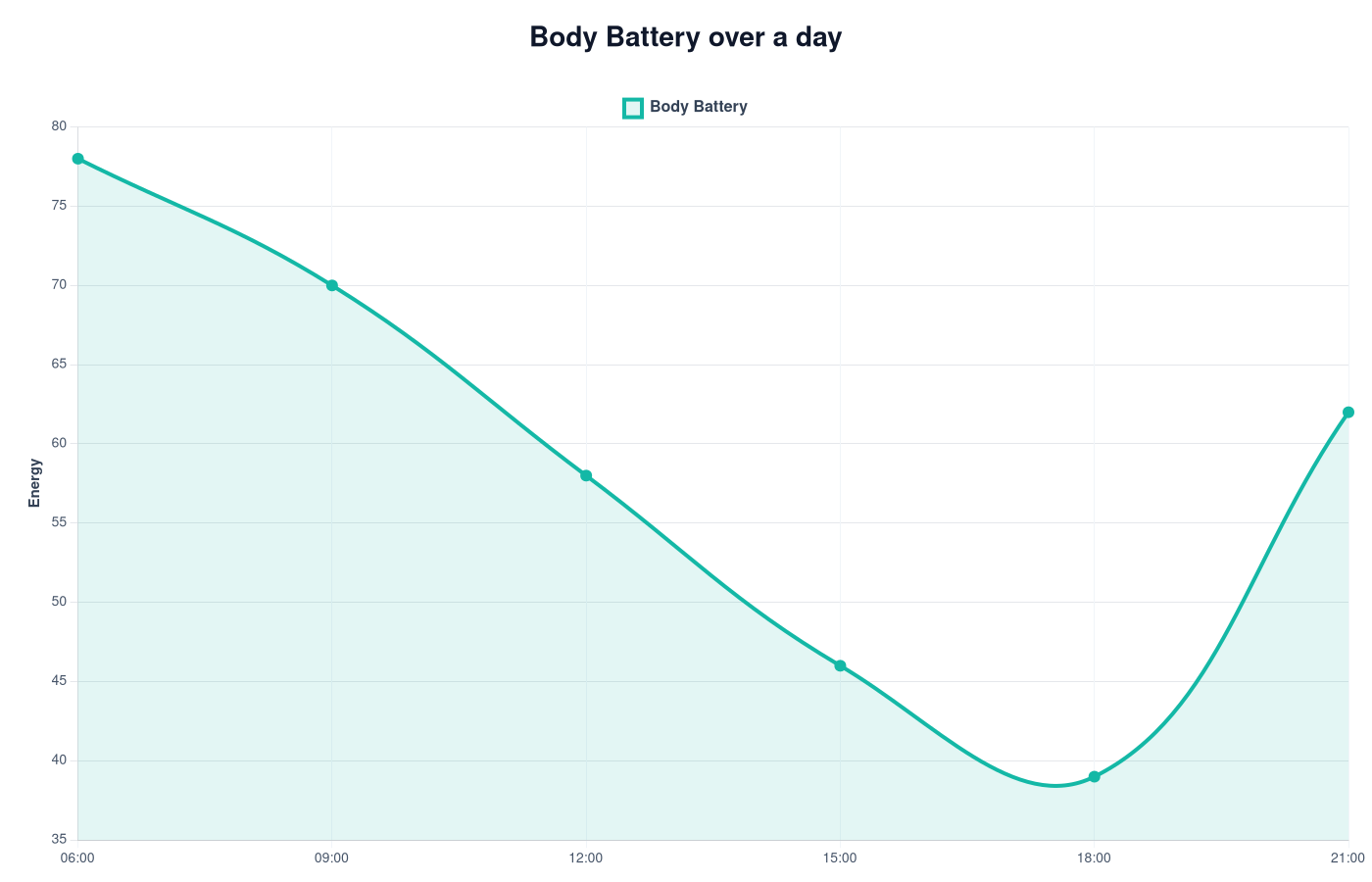
Body Battery Chart
Body Battery Charts zeigen, wie Wearables Energie und Erholung über den Tag schätzen.
Chart ansehen →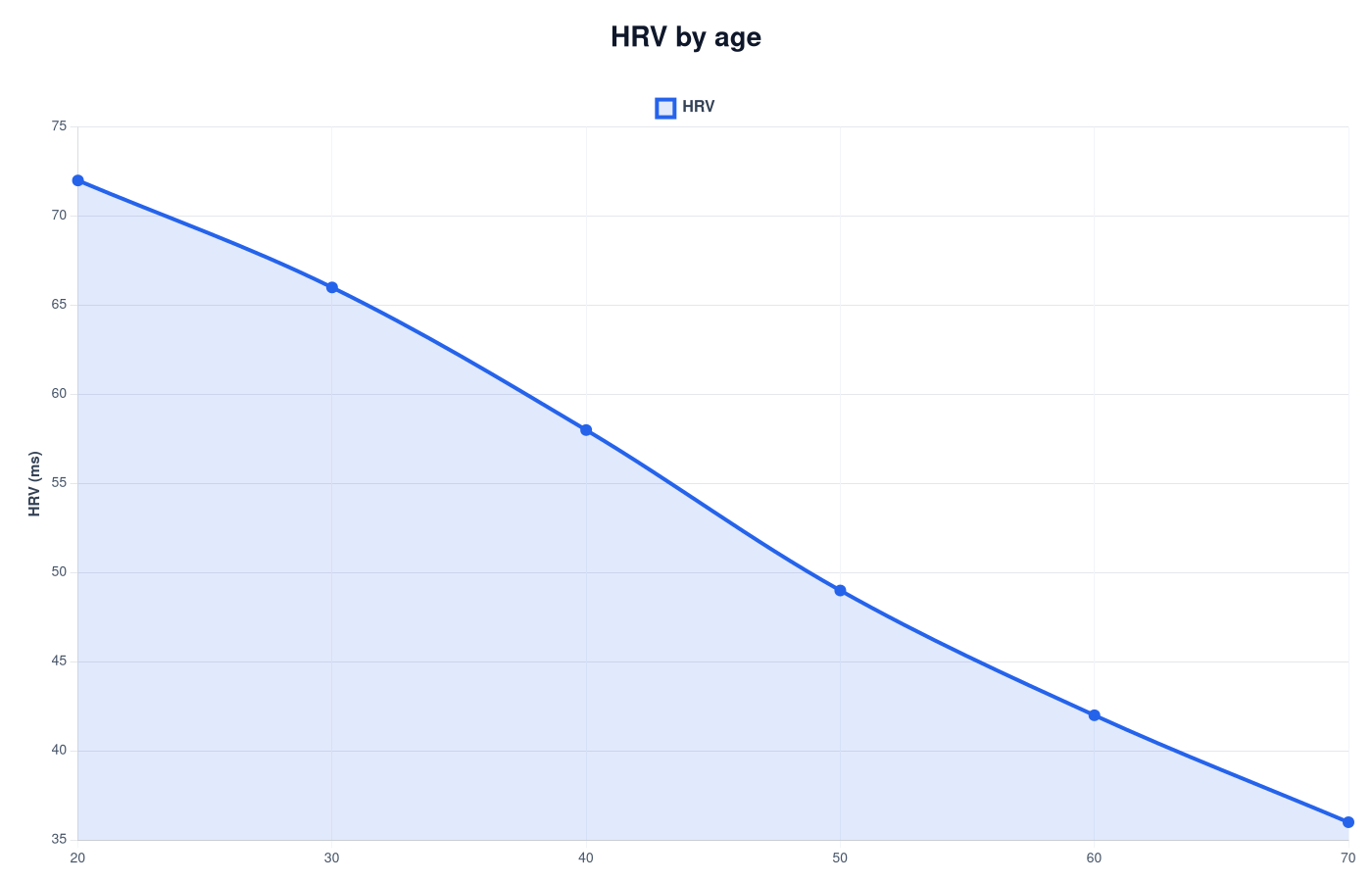
HRV Chart – typische HRV Bereiche
HRV Charts zeigen typische Bereiche der Herzratenvariabilität und helfen Werte besser einzuordnen.
Chart ansehen →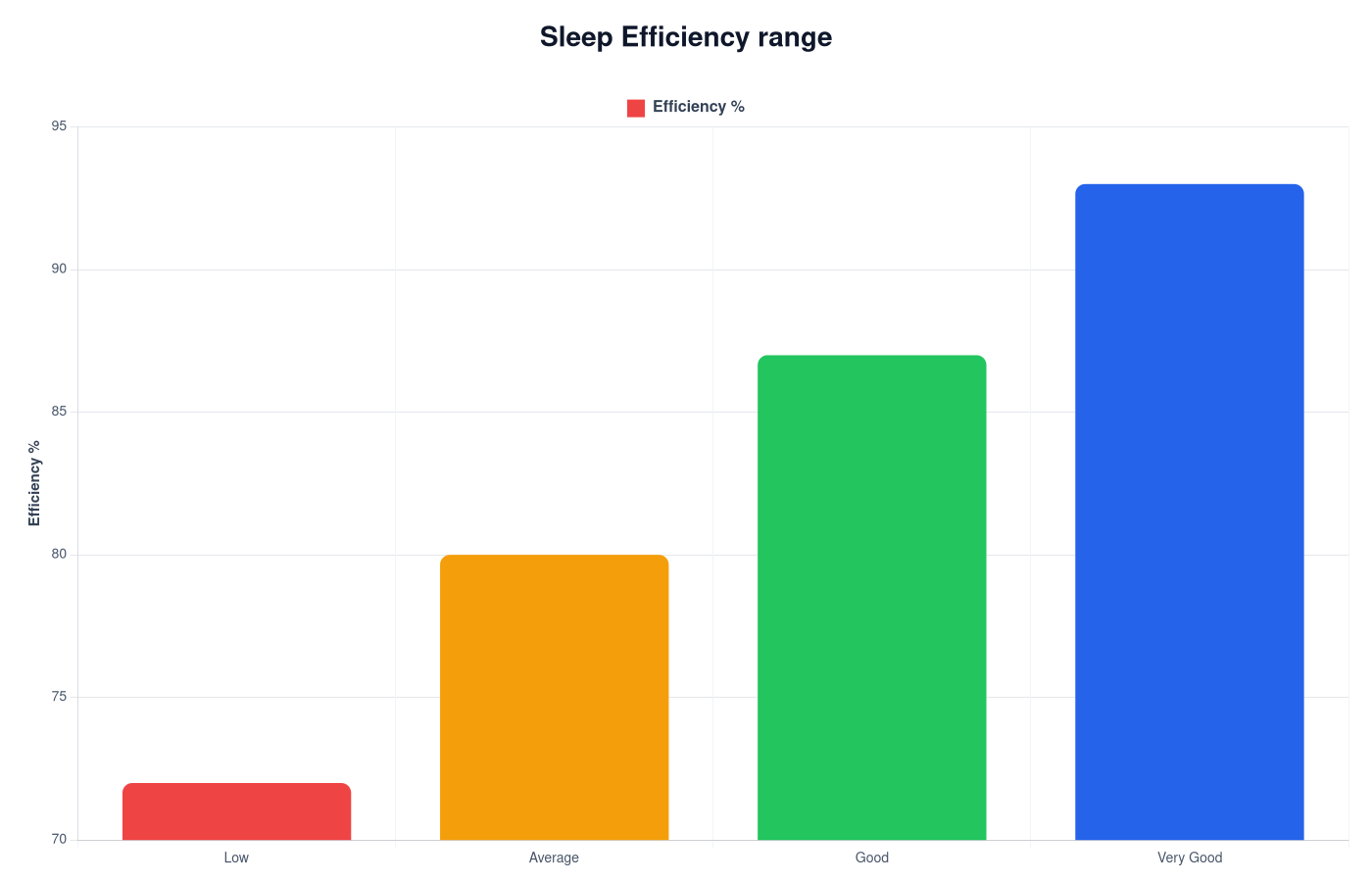
Schlafeffizienz Chart
Schlafeffizienz Charts zeigen, wie viel Zeit im Bett tatsächlich geschlafen wird und helfen die Schlafkontinuität besser einzuordnen.
Chart ansehen →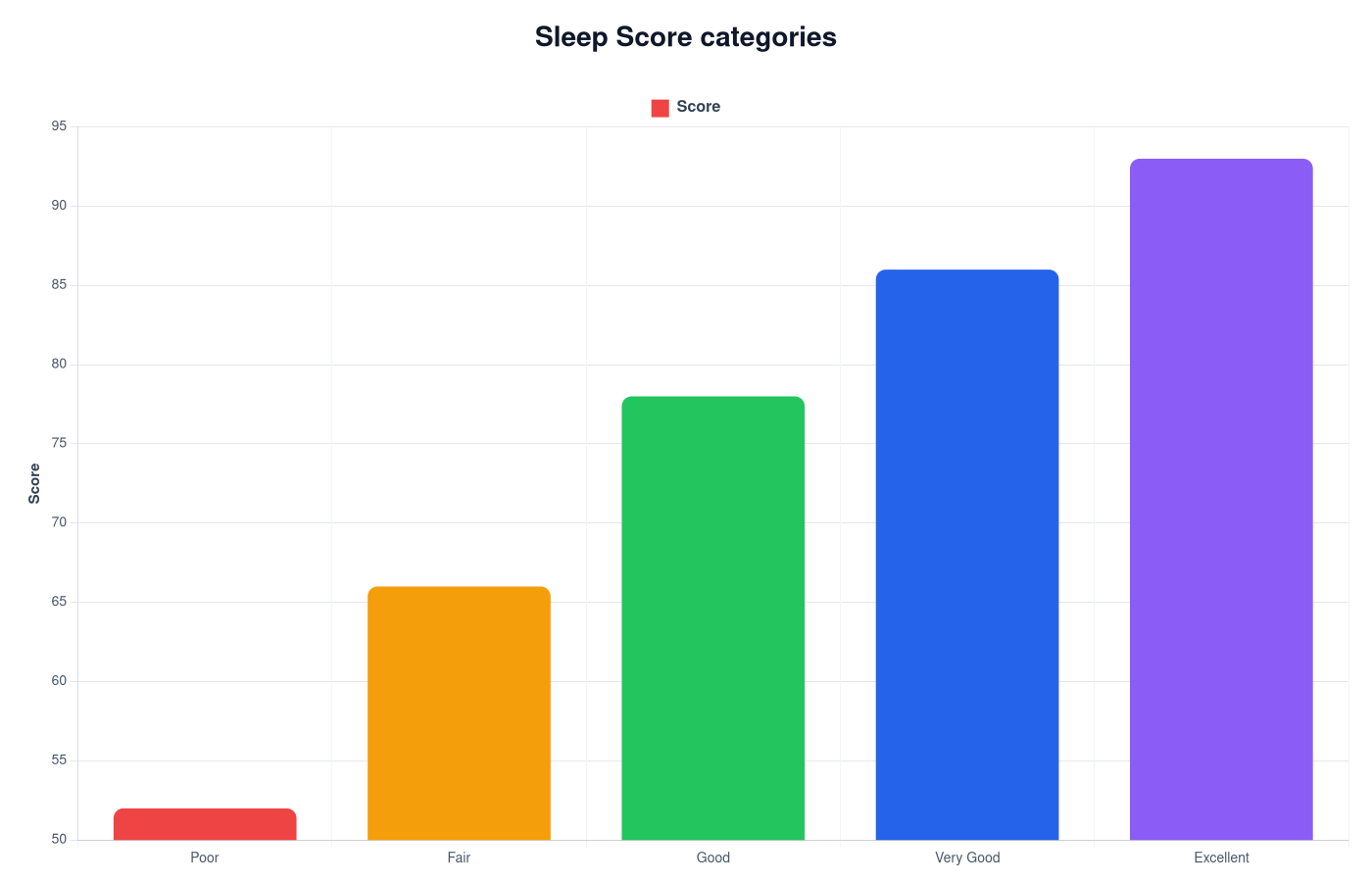
Schlafscore Chart
Schlafscore Charts zeigen typische Scorebereiche und helfen Wearable Schlafbewertungen zu verstehen.
Chart ansehen →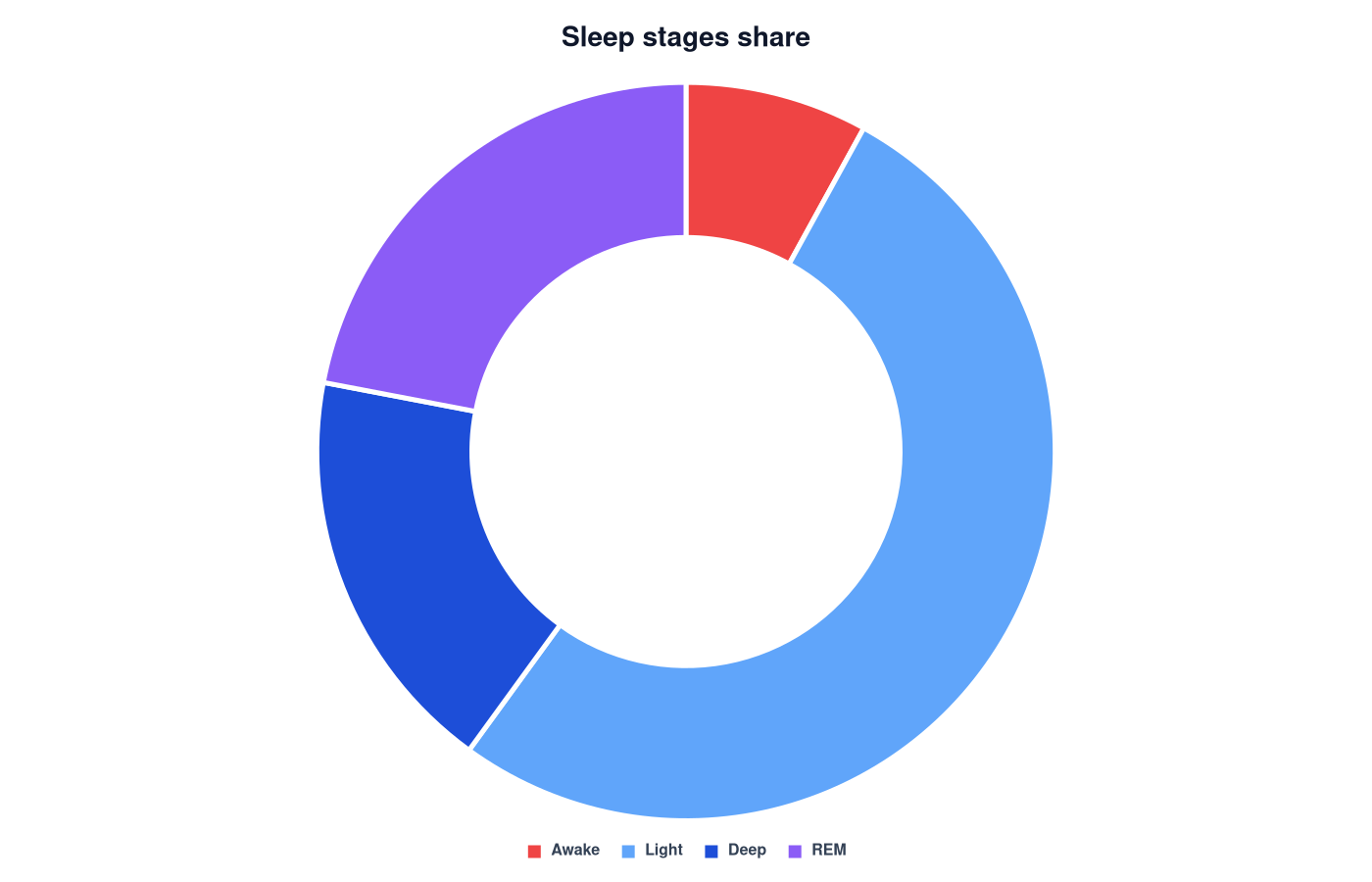
Schlafphasen Chart
Schlafphasen Charts zeigen die Verteilung von Leichtschlaf, Tiefschlaf und REM Schlaf.
Chart ansehen →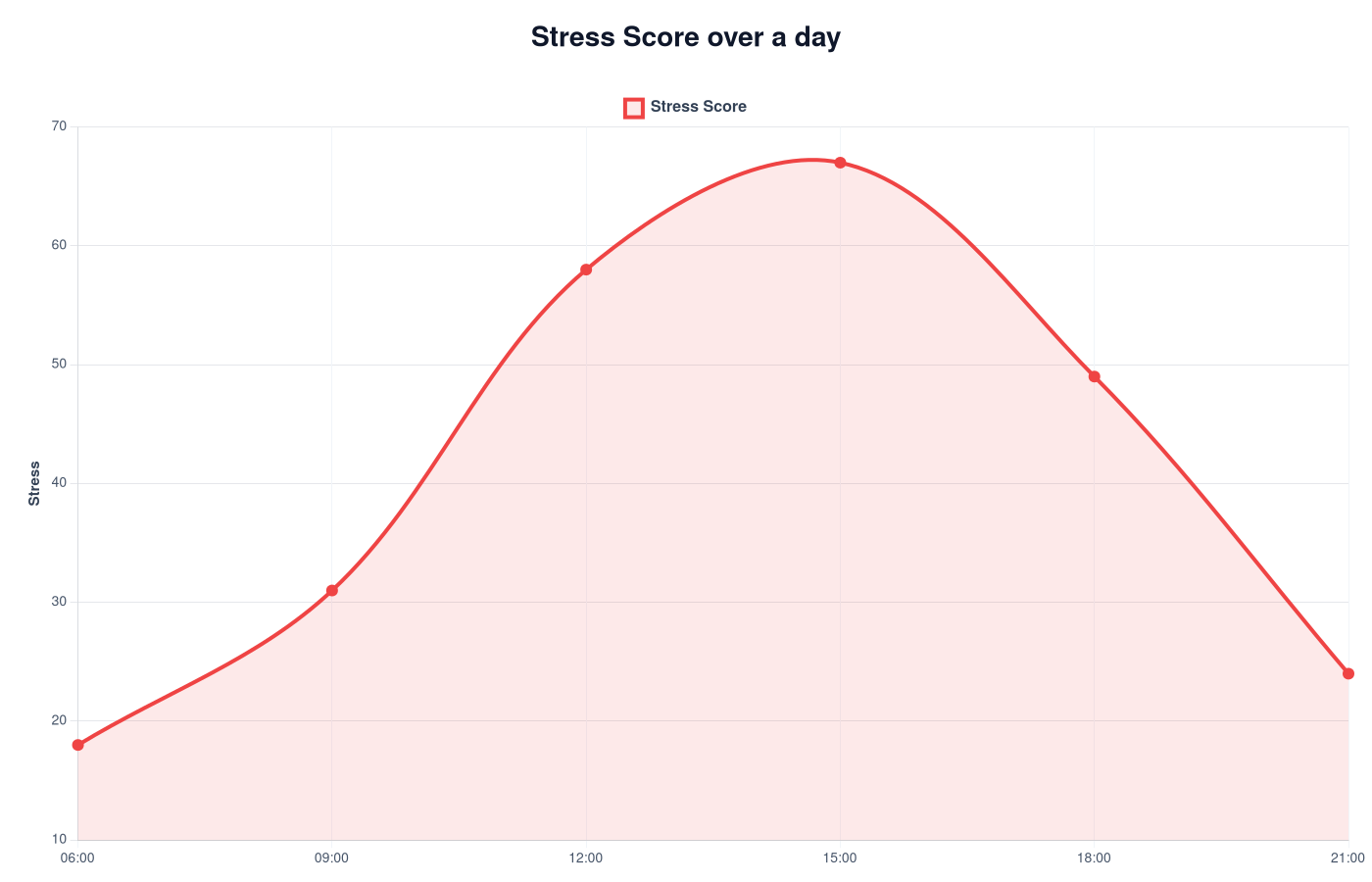
Stress Score Chart
Stress Score Charts zeigen typische Stressbereiche und helfen Wearable Stresssignale zu interpretieren.
Chart ansehen →