
Understanding Health Topics: A Comprehensive Guide to Improve Your Wellbeing
Health is a broad and multifaceted topic that encompasses physical, mental, and emotional well-being. From chronic diseases to mental health issues, understanding various health topics can empower individuals to make informed decisions that boost their quality of life. In this article, we’ll explore the significance of health topics, their interpretation, the relevance of wearables in monitoring health, and practical applications to enhance your well-being.
Explanation of Health Topics
Health topics cover a wide range of issues and concerns that directly impact our well-being. Some of the most common categories of health topics include:
- Chronic Diseases: Conditions such as diabetes, heart disease, and arthritis that persist over time and require ongoing management.
- Mental Health: Issues like depression, anxiety, and stress management that affect emotional and psychological well-being.
- Nutrition: Understanding the role of diet in health, the importance of balanced nutrition, and the prevention of diet-related diseases.
- Fitness: The significance of regular physical activity in maintaining health, reducing the risk of diseases, and improving overall quality of life.
- Preventive Care: Routine check-ups, vaccinations, and screenings aimed at detecting health issues before they become serious.
Interpretation of Health Topics
The interpretation of health topics involves understanding the complexities of each category and recognizing how they interrelate. Here are several key interpretations to consider:
- Holistic Health: Recognizing that physical, mental, and emotional health are interconnected and can influence one another.
- Preventive vs. Reactive Care: Understanding the importance of preventive measures to avoid serious health concerns, rather than only treating issues as they arise.
- Cultural and Social Influences: Acknowledging how socioeconomic factors, culture, and community shape health behaviors and access to care.
Wearable Relevance
Wearable technology has transformed how we interact with and monitor our health. These devices, such as fitness trackers and smartwatches, offer real-time data that can greatly enhance our understanding of health topics. The relevance of wearables in health is multifaceted:
-
Continuous Monitoring: Wearables provide real-time data on various health metrics, allowing users to monitor their vital signs (heart rate, sleep patterns, etc.) continuously.
-
Data-Driven Insights: The ability to track trends over time helps individuals interpret their health data accurately, providing insights into lifestyle impacts on health.
-
Motivation and Engagement: Many wearables incorporate gamification features that encourage users to stay active, set fitness goals, and share progress with others, promoting long-term lifestyle changes.
Practical Use of Wearables in Health Management
Integrating wearables into your health management routine can significantly impact your wellness journey. Here are several practical uses for wearables:
1. Monitoring Physical Activity
- Track daily steps, workouts, and calorie expenditure.
- Set movement goals and track progress to stay motivated.
- Receive reminders to move when sedentary for extended periods.
2. Heart Rate and Fitness Tracking
- Monitor heart rate during workouts to optimize training.
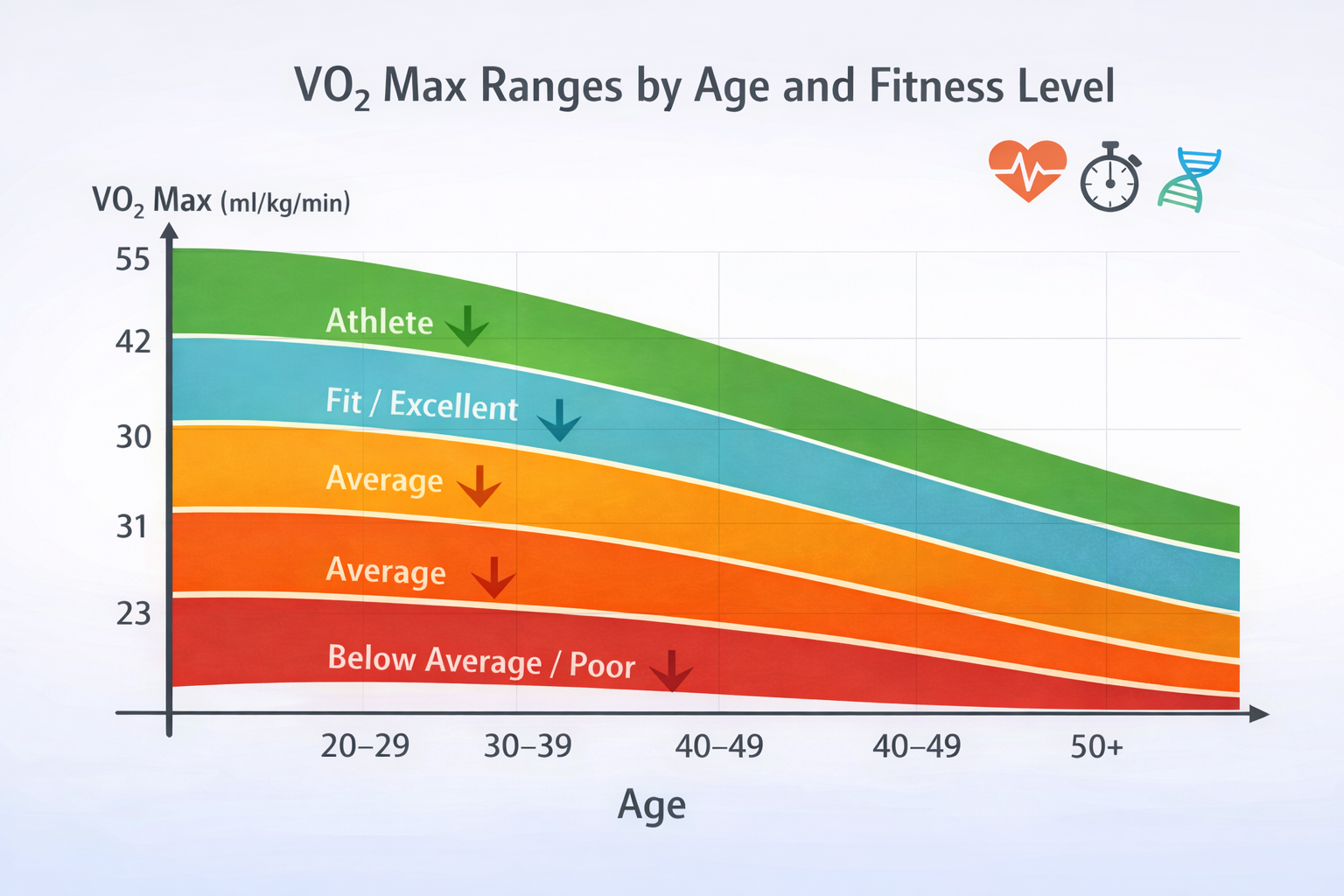
- Understand resting heart rate trends; a lower resting heart rate often indicates better cardiovascular fitness.
- Use heart rate zones to train effectively and safely.
3. Sleep Tracking
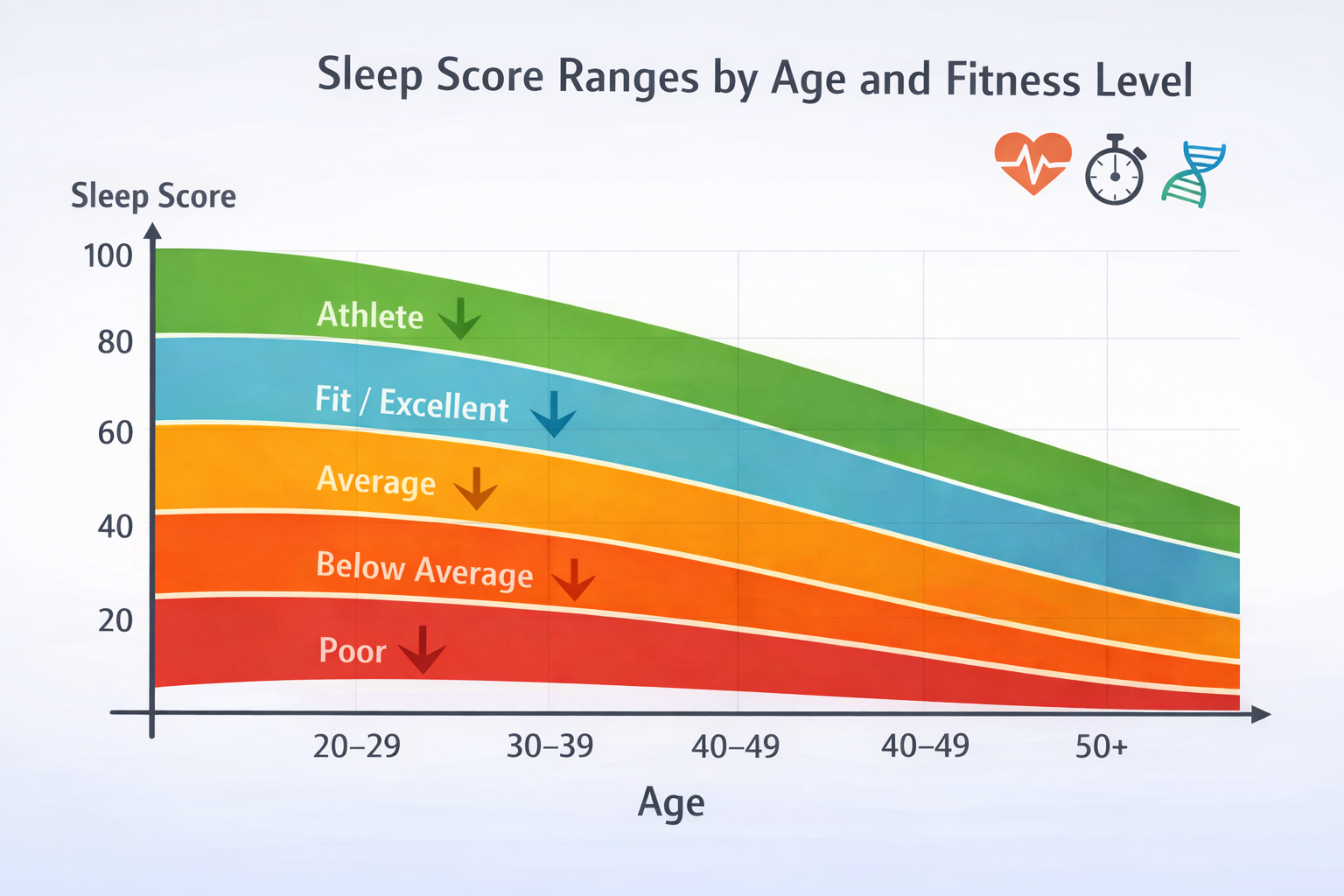
- Analyze sleep patterns to identify areas for improvement in sleep quality.
- Use data to establish better sleep hygiene practices, such as consistent sleep schedules.
4. Stress Management
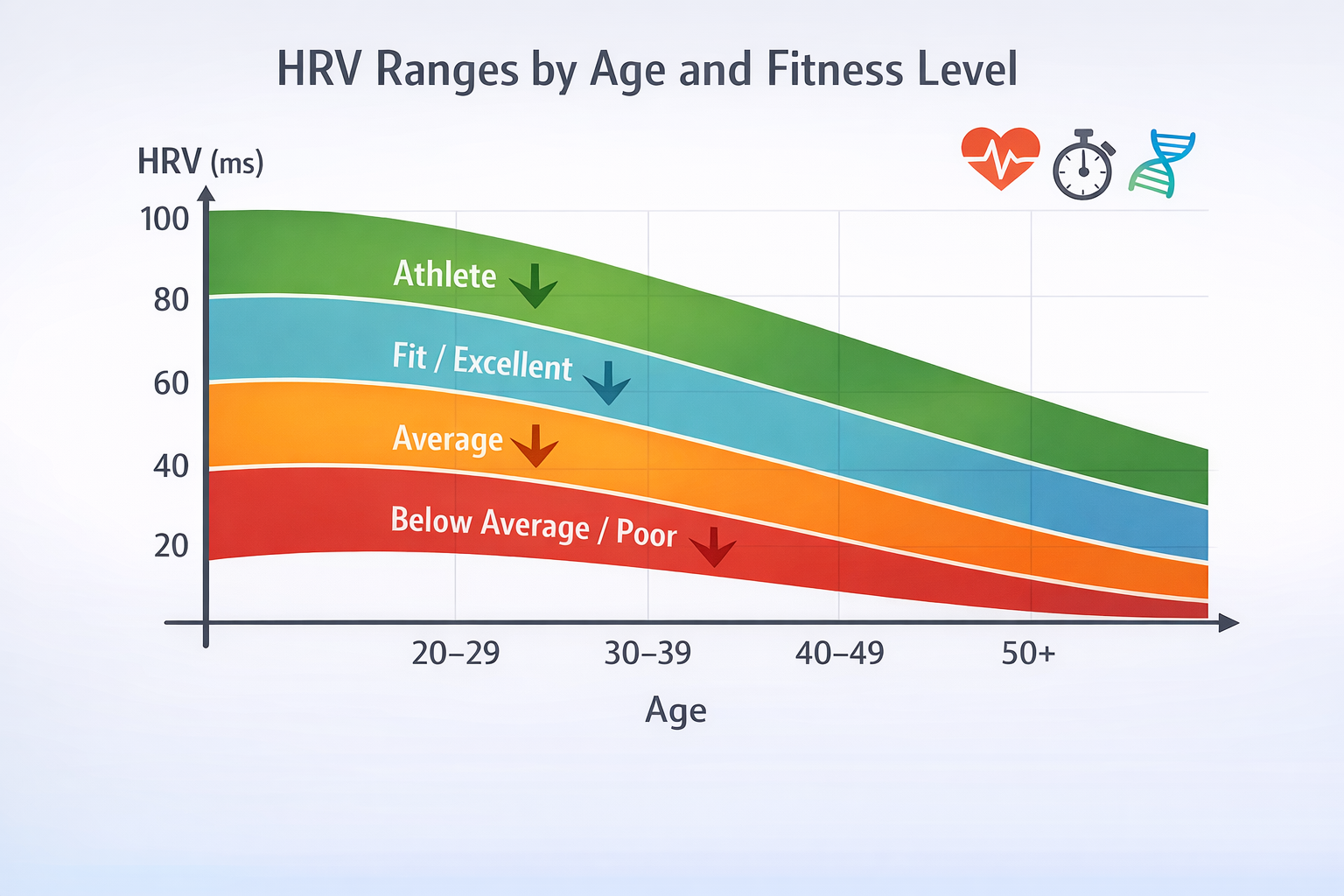
- Utilize wearable stress-monitoring features that gauge heart rate variability to manage stress levels.
- Incorporate guided breathing exercises and mindfulness practices through connected apps for mental wellness.
5. Nutrition and Hydration
- Log meals and monitor nutritional intake through companion apps.
- Set reminders for hydration, ensuring adequate water intake throughout the day.
6. Preventive Health Monitoring
- Set reminders for regular check-ups and important health screenings (e.g., blood pressure readings).
- Close monitoring of specific health conditions (like diabetes) by syncing data with healthcare providers for better management.
Conclusion
Understanding health topics and their implications is essential for achieving holistic well-being. With the integration of wearable technology, individuals can manage their health proactively and harness valuable insights to make informed decisions. By consistently monitoring metrics related to physical fitness, mental health, and preventive care, wearables empower users to enhance their health journey, leading to a healthier and more fulfilling life. Embrace the power of wearables, stay informed on essential health topics, and take control of your health today!
Understand Your Health Data
LongLife Scan analyzes wearable health data and helps you understand patterns in stress, sleep and recovery.
Try LongLife ScanRelated Metrics

Health Metrics
Overview of wearable health metrics including HRV, VO2max, sleep and recovery.
View Metric →
Related Charts
Body Battery Chart
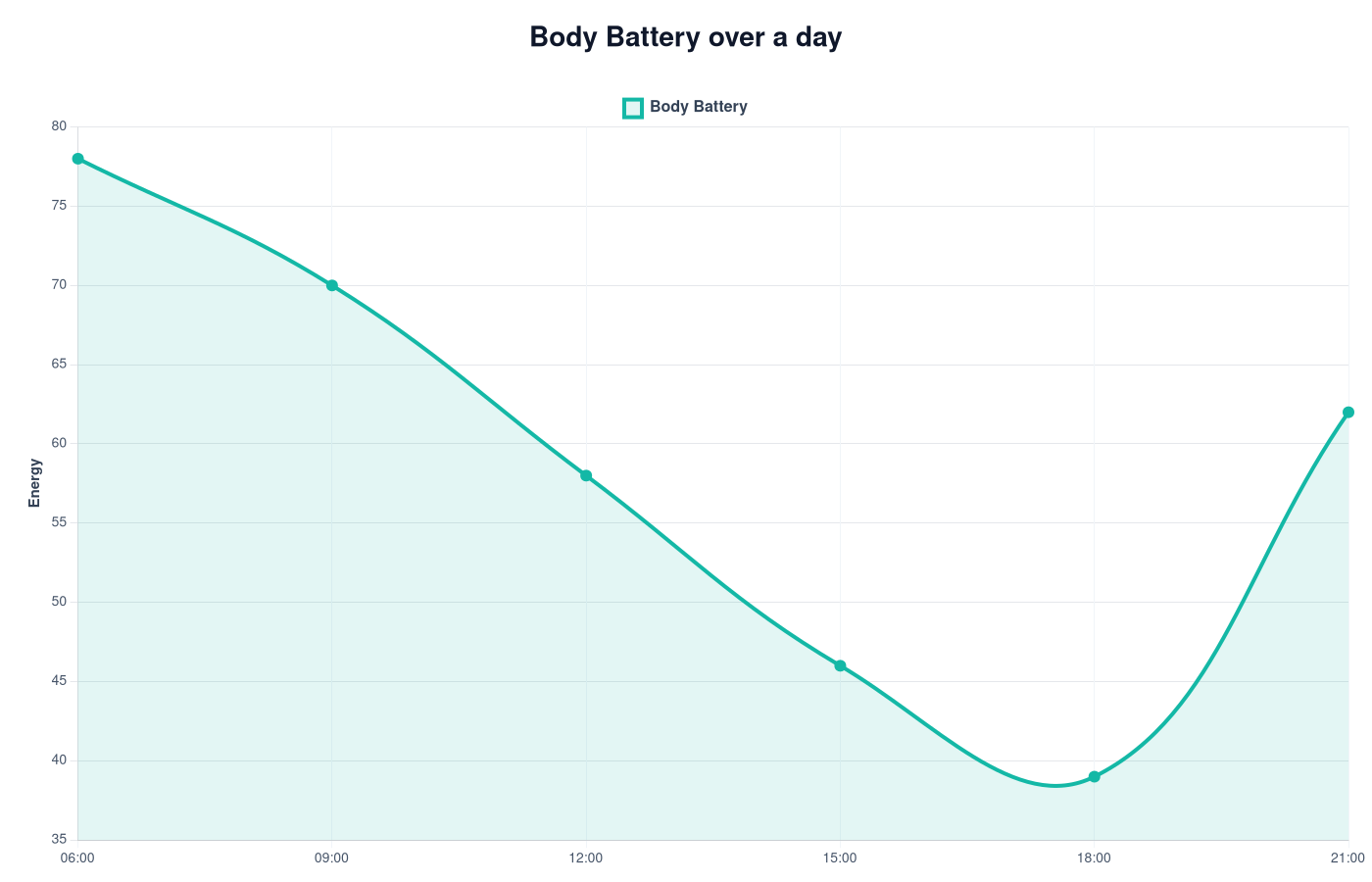
Body Battery charts show how wearable devices estimate energy, recovery and stress patterns during the day.
View Chart →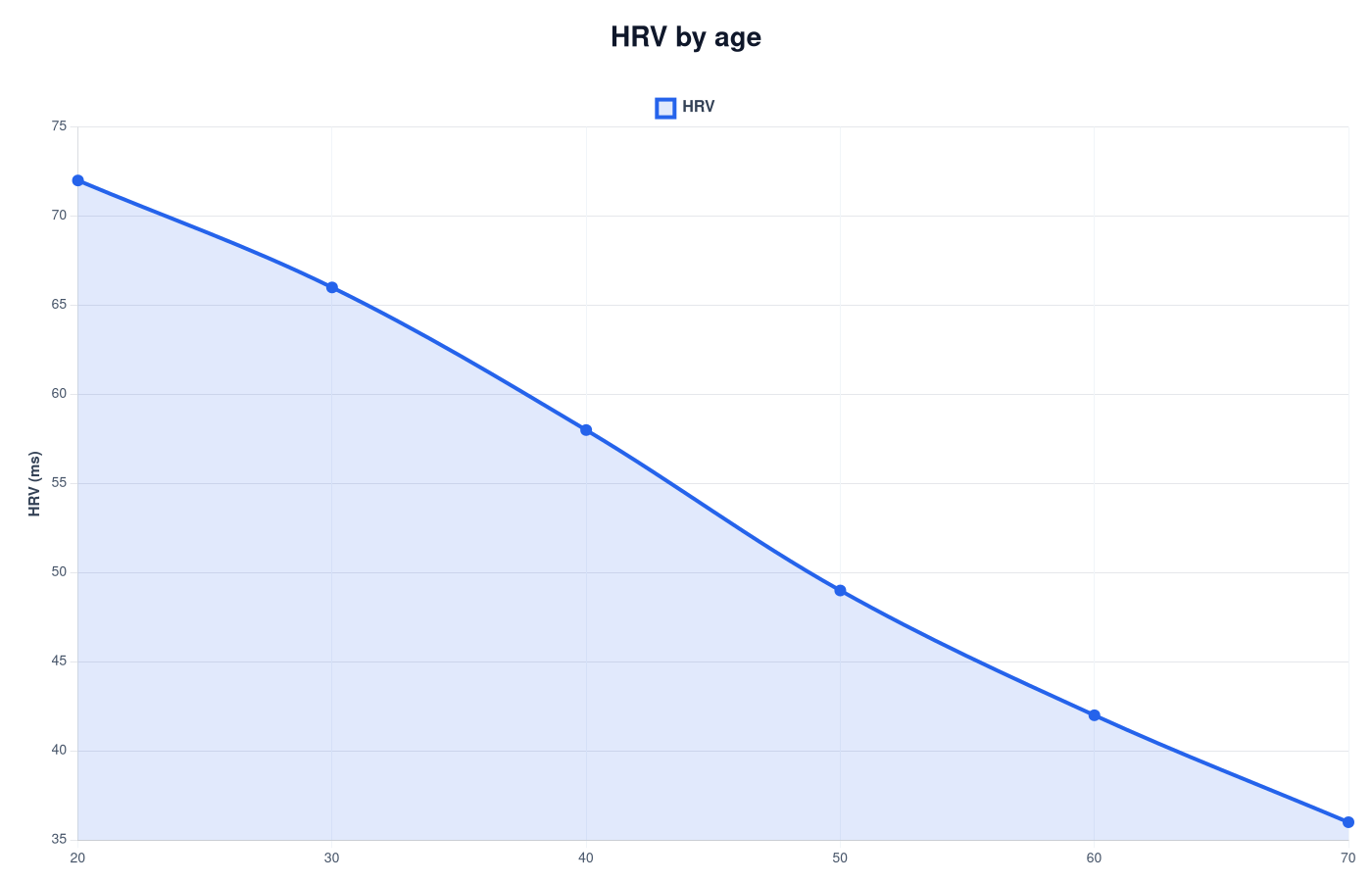
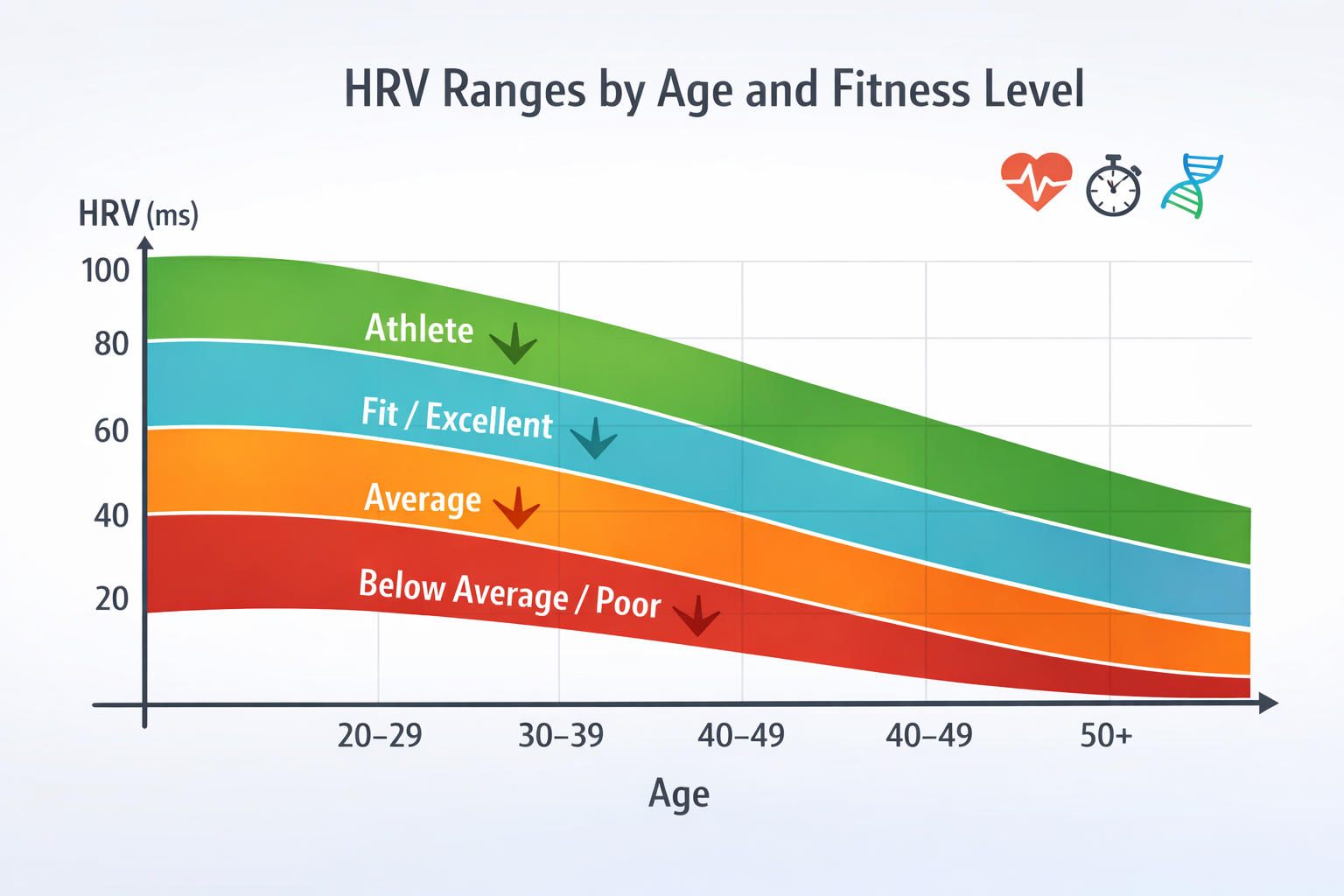
HRV Chart – Typical Heart Rate Variability Ranges
HRV trends show recovery and stress patterns over time.
View Chart →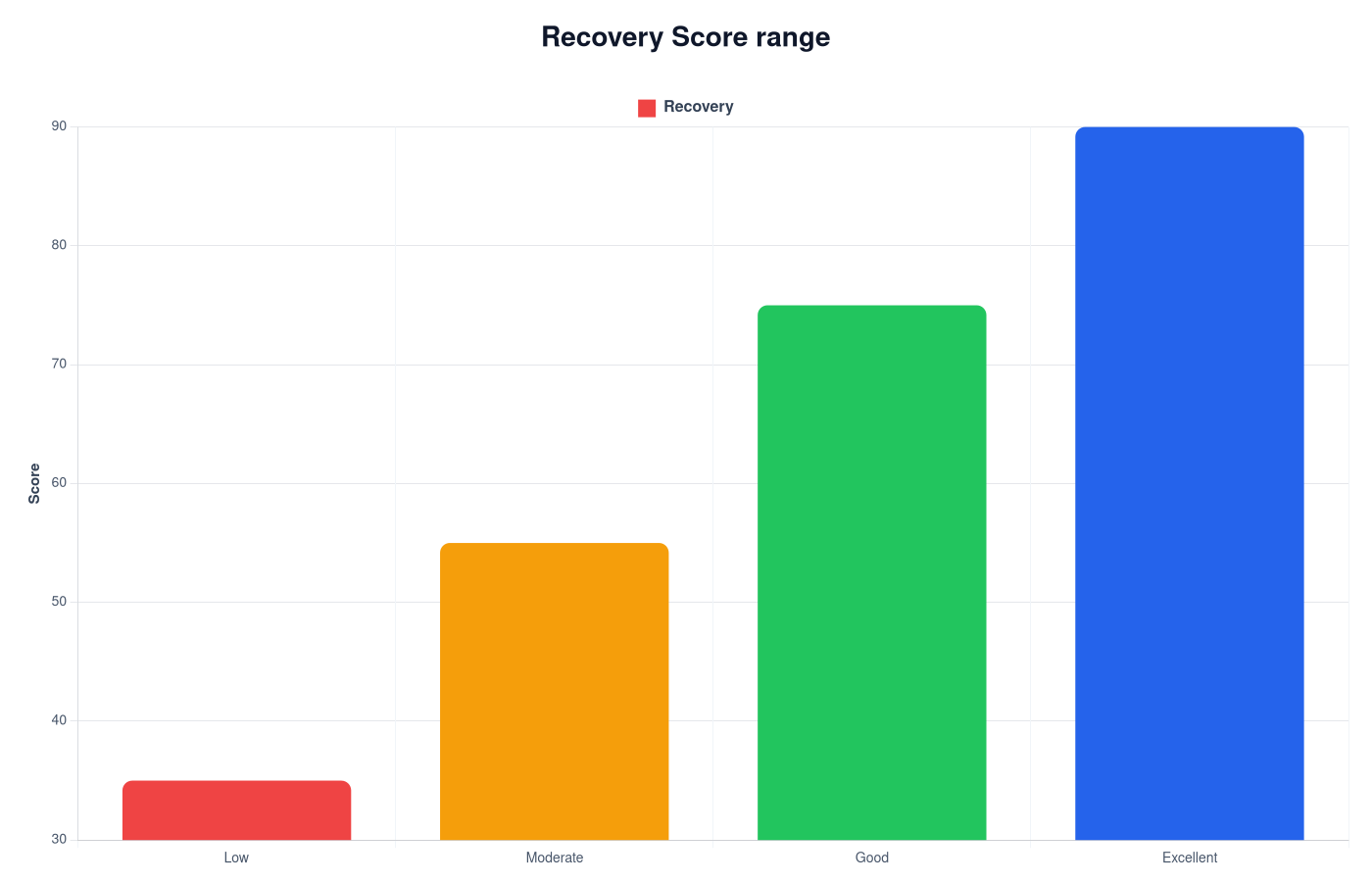
Recovery Score Chart
Recovery score charts show how wearables combine HRV, sleep and stress signals into one readiness value.
View Chart →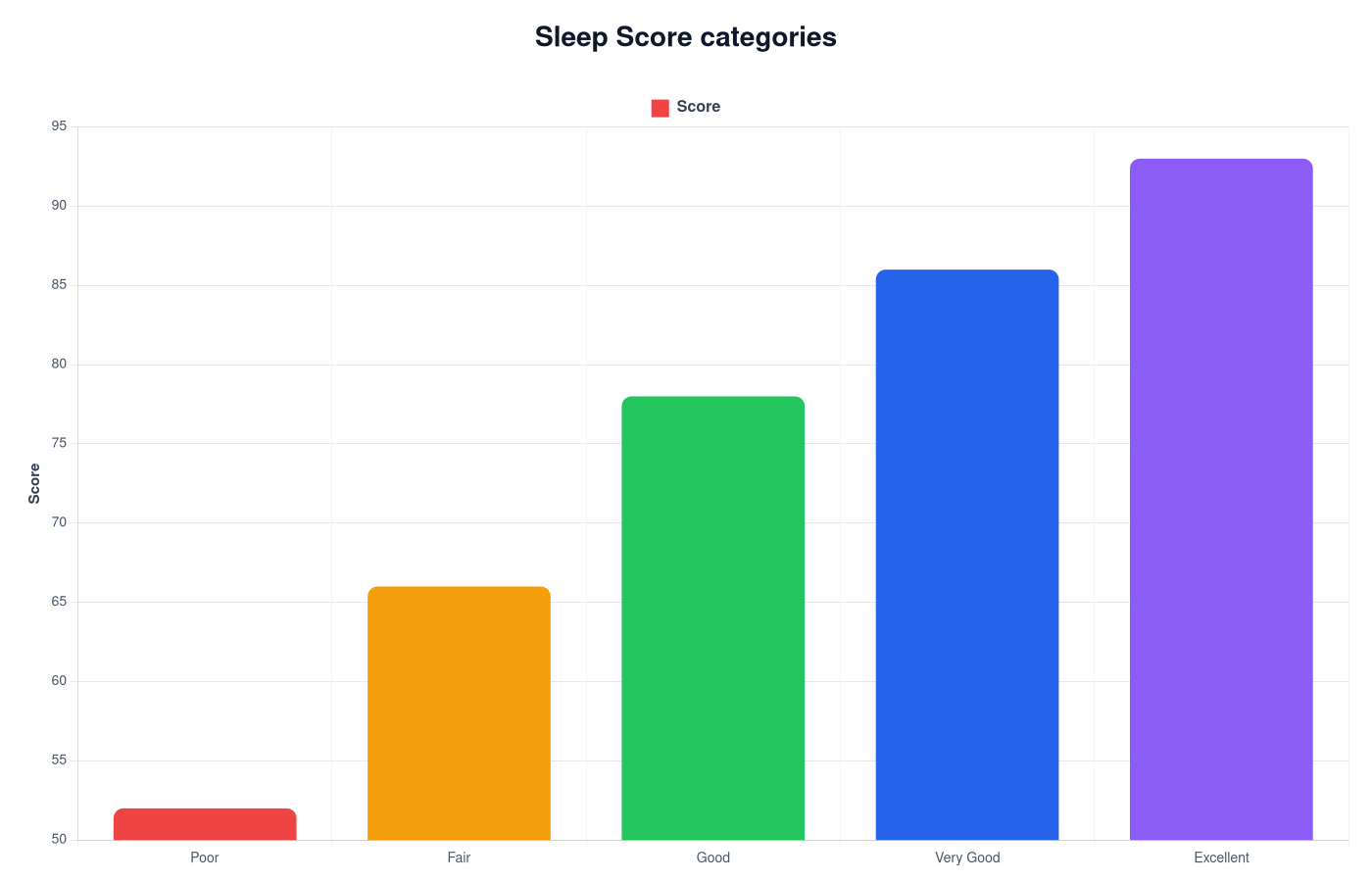
Sleep Score Chart – Sleep Quality Explained
Sleep score charts show typical score ranges and help interpret wearable sleep quality estimates.
View Chart →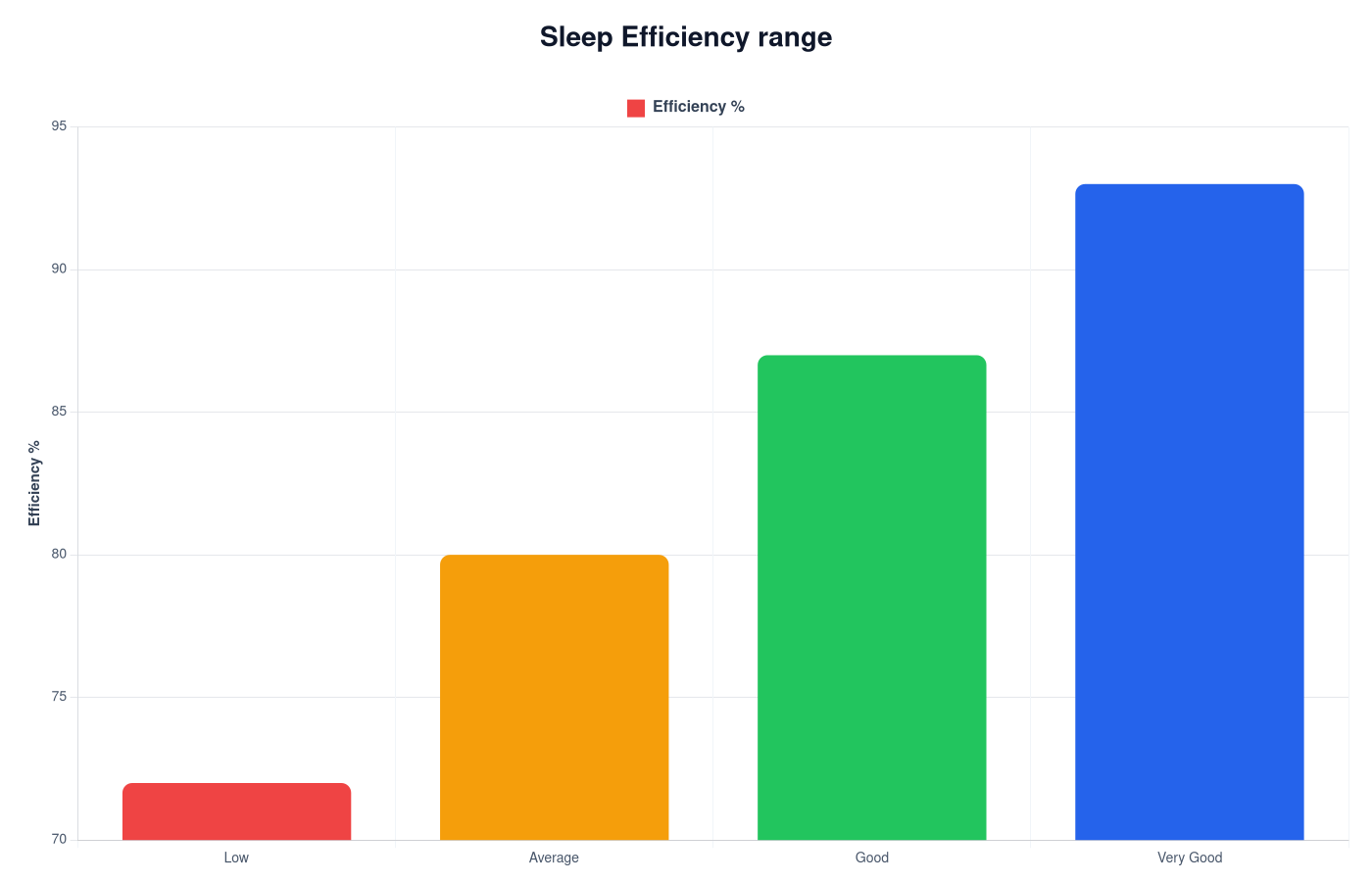
Sleep Efficiency Chart
Sleep efficiency charts show how much of your time in bed is spent sleeping and help interpret sleep continuity.
View Chart →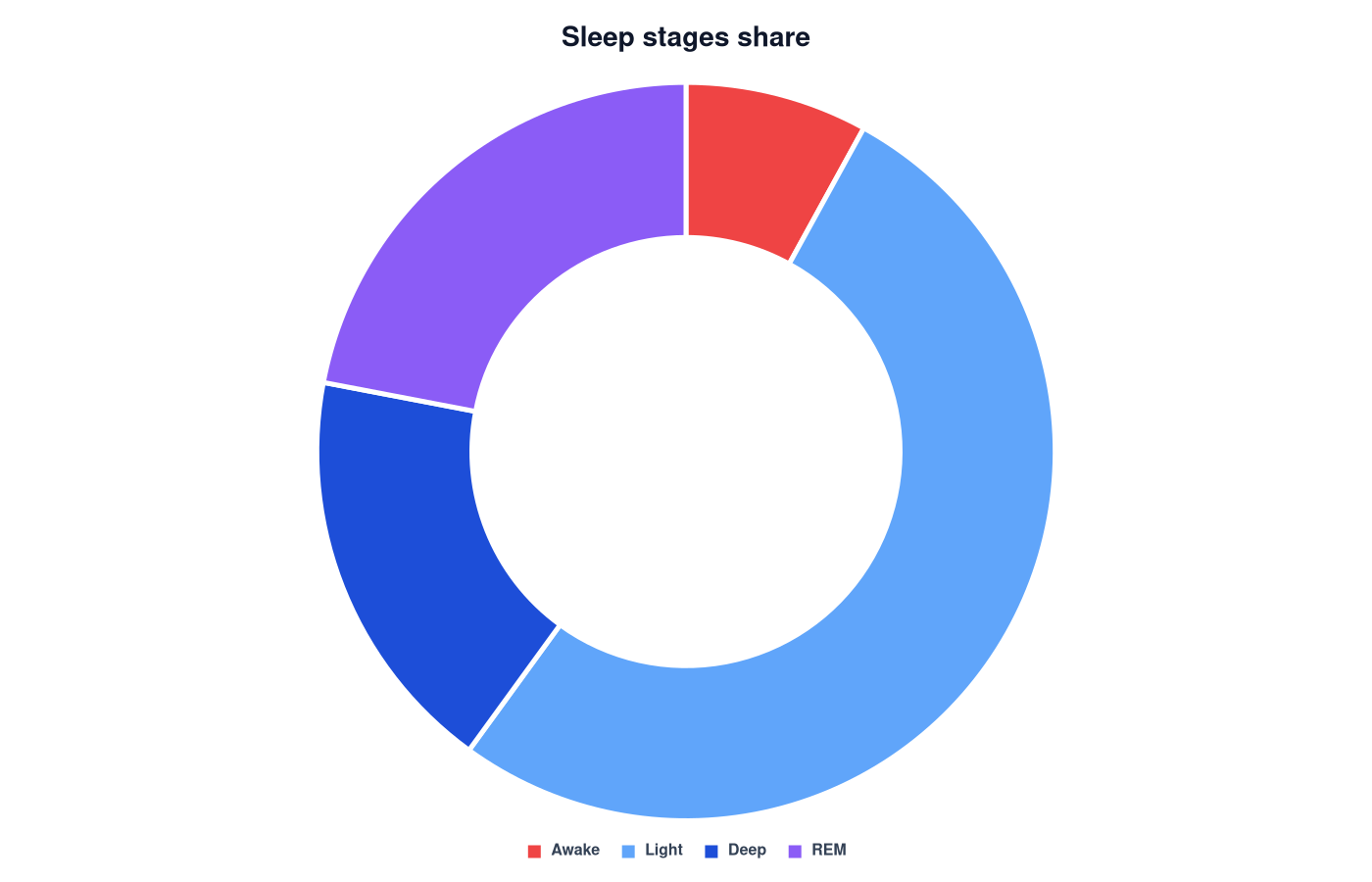
Sleep Stages Chart
Sleep stages charts show how sleep cycles are distributed between light sleep, deep sleep and REM sleep.
View Chart →