
Was ein Recovery Score zeigt
Ein Recovery Score fasst verschiedene Körpersignale zusammen, um die aktuelle Erholungsfähigkeit einzuschätzen.
Wearables nutzen mehrere physiologische Datenpunkte zur Berechnung.
Signale für Recovery Scores
- Herzratenvariabilität (HRV)
- Schlafdauer und Schlafphasen
- Ruhepuls
- Trainingsbelastung
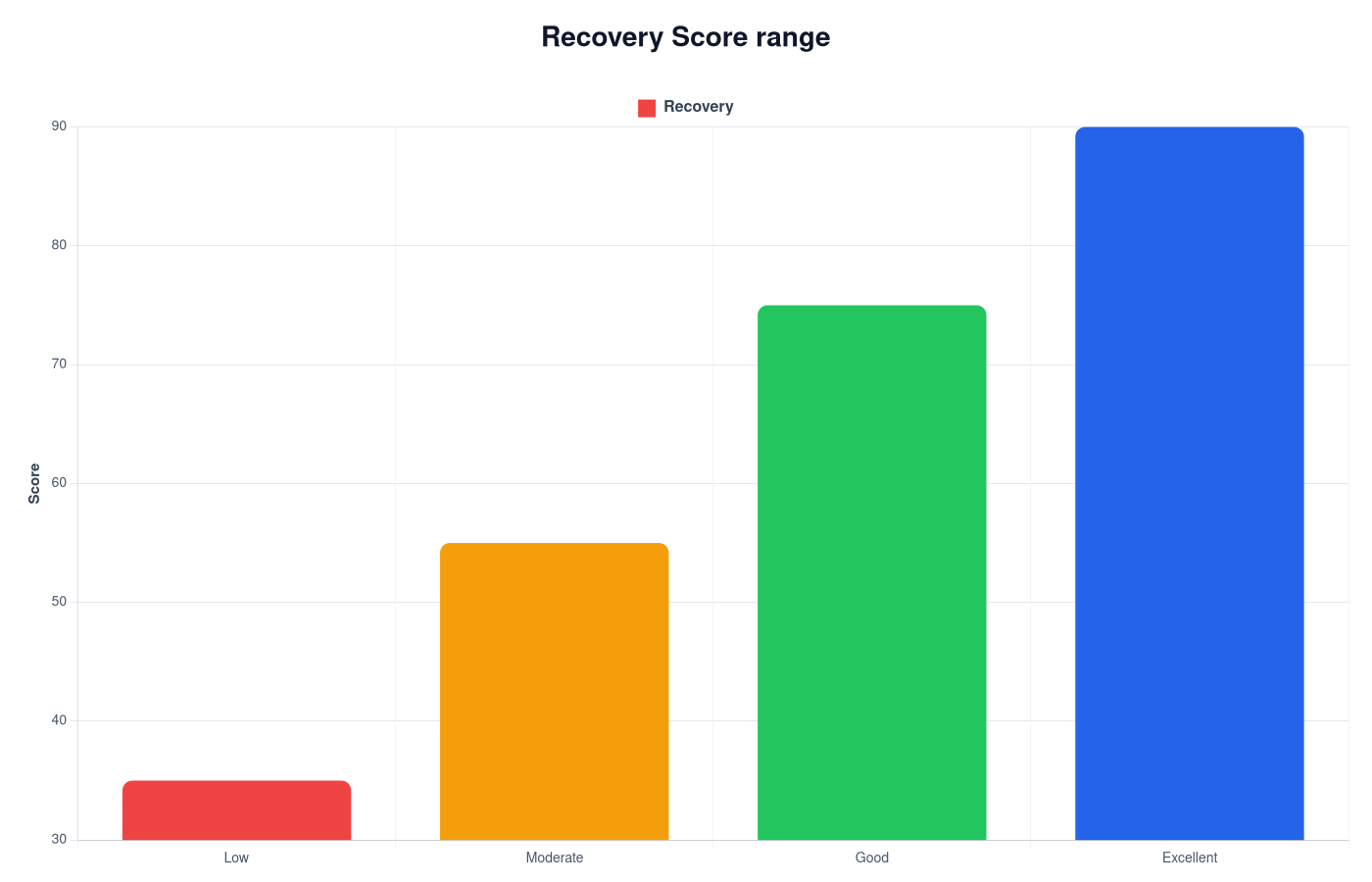
Siehe das Recovery Score Chart.
Recovery Scores richtig interpretieren
Ein höherer Recovery Score deutet meist darauf hin, dass dein Körper gut erholt und belastbarer ist.
Mehr über Recovery Metriken.
Understanding Recovery Score: Bedeutung, Interpretation, and Practical Use
In the world of health and wellness, recovery plays a pivotal role in optimizing performance and promoting overall well-being. One important metric that has gained traction is the Recovery Score. This article delves into the intricacies of Recovery Score, its interpretation, relevance in wearable technology, and practical applications.
What is Recovery Score?
Recovery Score is a quantitative measure representing the body’s readiness to take on physical exertion after a period of rest or recovery. This score is calculated using various physiological metrics and data gathered from wearables and fitness apps.
Key Components of Recovery Score
- Heart Rate Variability (HRV): Variations in time intervals between heartbeats, which can indicate the body’s stress and recovery levels.
- Resting Heart Rate (RHR): The number of heartbeats per minute while at rest; a lower resting heart rate is often associated with better cardiovascular fitness and recovery.
- Sleep Quality: The duration and quality of sleep significantly impact recovery; wearables track these metrics to assess overall sleep health.
- Activity Levels: Physical activity data helps estimate fatigue and muscle recovery needs; excessive activity can lower recovery scores.
Interpretation of Recovery Score
Understanding how to interpret Recovery Score is essential for making informed health decisions. Most wearables provide a score on a scale (e.g., from 0 to 100), where a higher score typically indicates better recovery status.
Recovery Score Interpretations:
- 80-100 (Excellent): Your body is well-recovered and ready for intense workouts; it’s an ideal time to push your limits.
- 60-79 (Good): Recovery is adequate; you can maintain your current routine but should consider listening to your body.
- 40-59 (Fair): Recovery is compromised; take it easy and incorporate active recovery days.
- Below 40 (Poor): Your body is fatigued; prioritize rest and lighter activities to allow recovery.
Wearable Relevance
Wearable technology plays a crucial role in monitoring and calculating Recovery Scores. Here’s why this metric is more relevant now than ever:
- Data Accuracy: Modern wearables boast advanced sensors that deliver accurate biometric data such as HRV and RHR.
- Real-time Monitoring: Users can track changes in Recovery Score daily, allowing for timely adjustments in their fitness routines.
- Custom Recommendations: Many devices provide personalized recommendations based on Recovery Scores, suggesting workouts or rest days tailored to individual needs.
- Injury Prevention: Monitoring recovery can help athletes and fitness enthusiasts avoid overtraining, thereby reducing the risk of injury.
Popular Wearables Featuring Recovery Score
- Whoop Strap: Provides an exhaustive Recovery Score with a focus on heart rate variability and sleep metrics.
- Garmin devices: Utilize advanced algorithms to calculate recovery status based on various factors including activity level and sleep.
- Oura Ring: Offers insights on recovery through continuous heart rate tracking, sleep analysis, and readiness metrics.
Practical Use of Recovery Score
To maximize the benefits of Recovery Score and improve your performance, consider the following practical steps:
How to Utilize Recovery Score Effectively
- Daily Monitoring: Track your Recovery Score each day to identify patterns. Use this data to adjust your training regime as needed.
- Listen to Your Body: Reflect on how you feel in relation to your Recovery Score. Sometimes, a low score may not align with how energetic you feel.
- Optimize Sleep Hygiene: If sleep quality is affecting your score, focus on establishing a consistent bedtime routine and sleep environment to improve recovery.
- Hydration and Nutrition: Proper hydration and balanced nutrition can enhance recovery, positively affecting your score.
- Integrate Rest Days: Use Recovery Score data to determine when to take rest or active recovery days, ensuring your body has enough time to recuperate.
- Set Goals: Establish fitness and recovery goals based on your scores; for instance, aim to achieve a certain Recovery Score range before increasing workout intensity.
Benefits of Tracking Recovery Score
- Enhanced Performance: Appropriately timed training sessions lead to improved overall fitness levels.
- Better Mental Health: Understanding recovery can reduce anxiety related to performance and training.
- Informed Decision-Making: Real-time data facilitates smarter training, minimizing the risk of burnout or injury.
Conclusion
The Recovery Score is an essential metric that can significantly enhance your fitness journey. Its interpretation, combined with actionable data gathered from wearables, provides insights that can improve both physical and mental health. By effectively utilizing this score, you can optimize your performance and ensure your body recovers adequately from physical exertion. Embrace the modern technology of wearables and unlock the full potential of your health and fitness routine today!
Empfohlene Wearables für RECOVERY
Verstehe deine Gesundheitsdaten
LongLife Scan analysiert Wearable-Gesundheitsdaten und hilft dir, Muster in Stress, Schlaf und Erholung zu verstehen.
LongLife Scan ausprobierenVerwandte Metriken
HRV Metrik
Heart rate variability shows how your nervous system responds to stress and recovery.
Metrik ansehen →
Gesundheitsmetriken
Übersicht wichtiger Wearable Gesundheitsmetriken wie HRV, VO2max und Schlaf.
Metrik ansehen →
Verwandte Charts
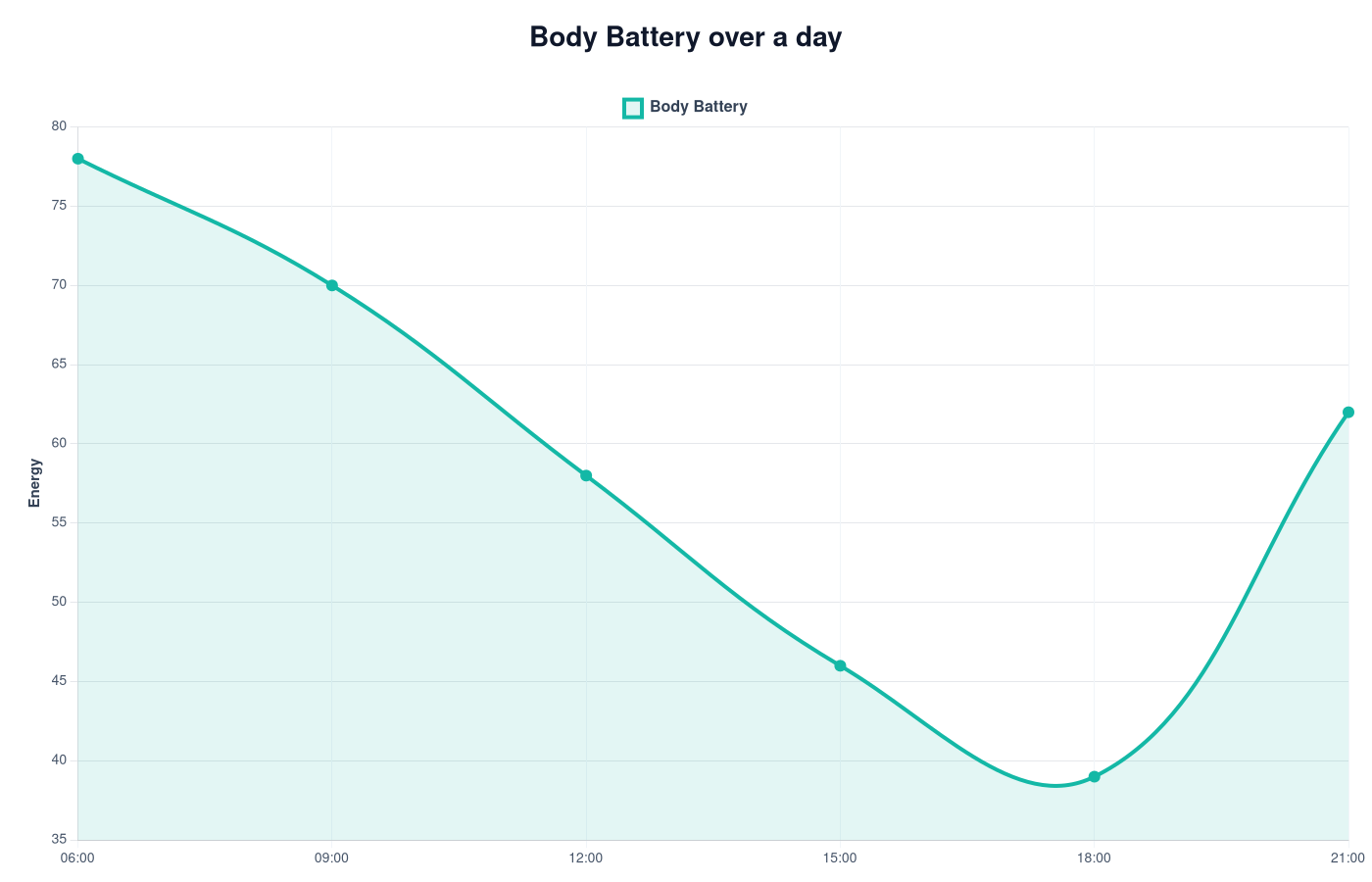
Body Battery Chart
Body Battery Charts zeigen, wie Wearables Energie und Erholung über den Tag schätzen.
Chart ansehen →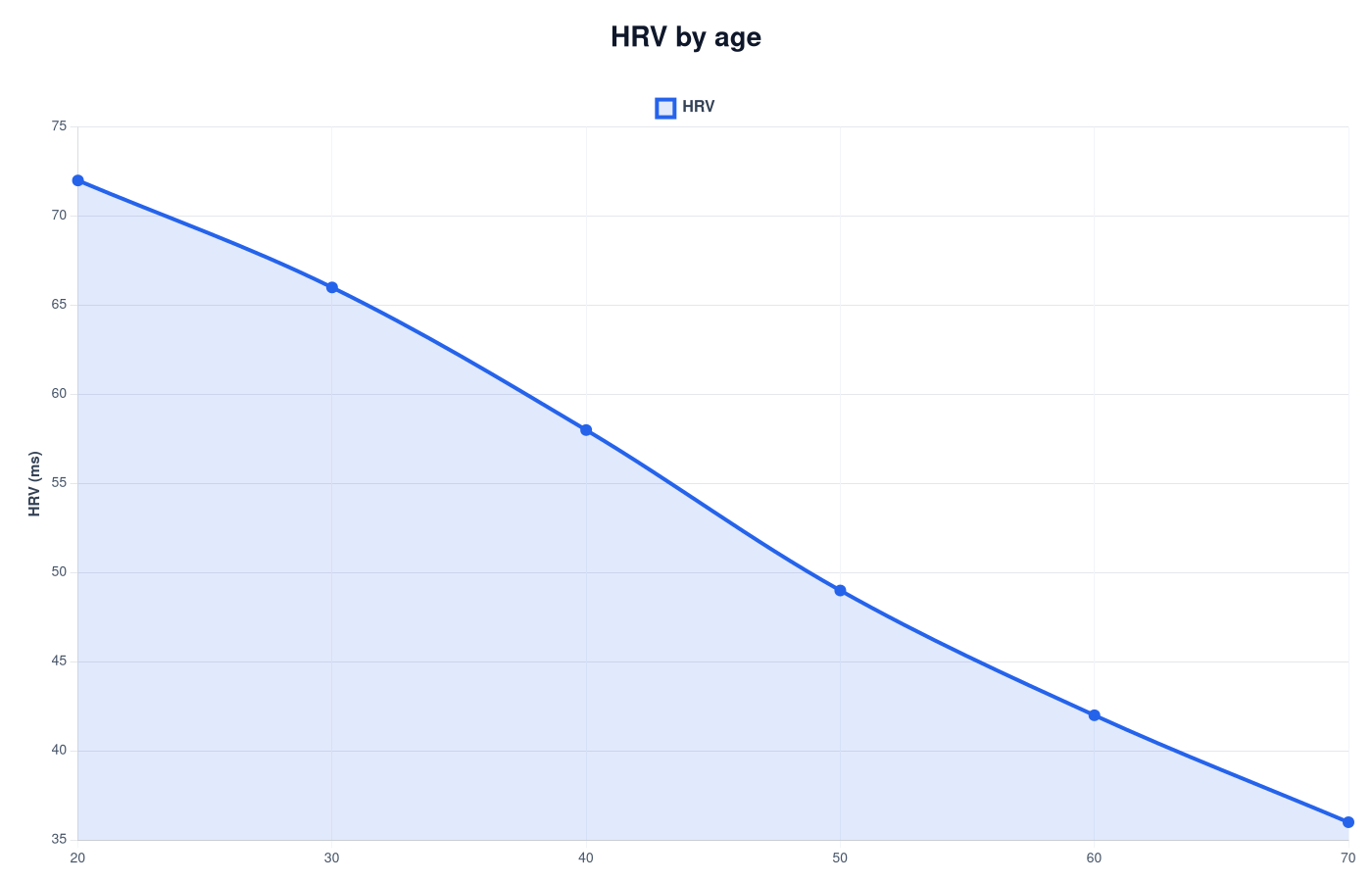
HRV Chart – typische HRV Bereiche
HRV Charts zeigen typische Bereiche der Herzratenvariabilität und helfen Werte besser einzuordnen.
Chart ansehen →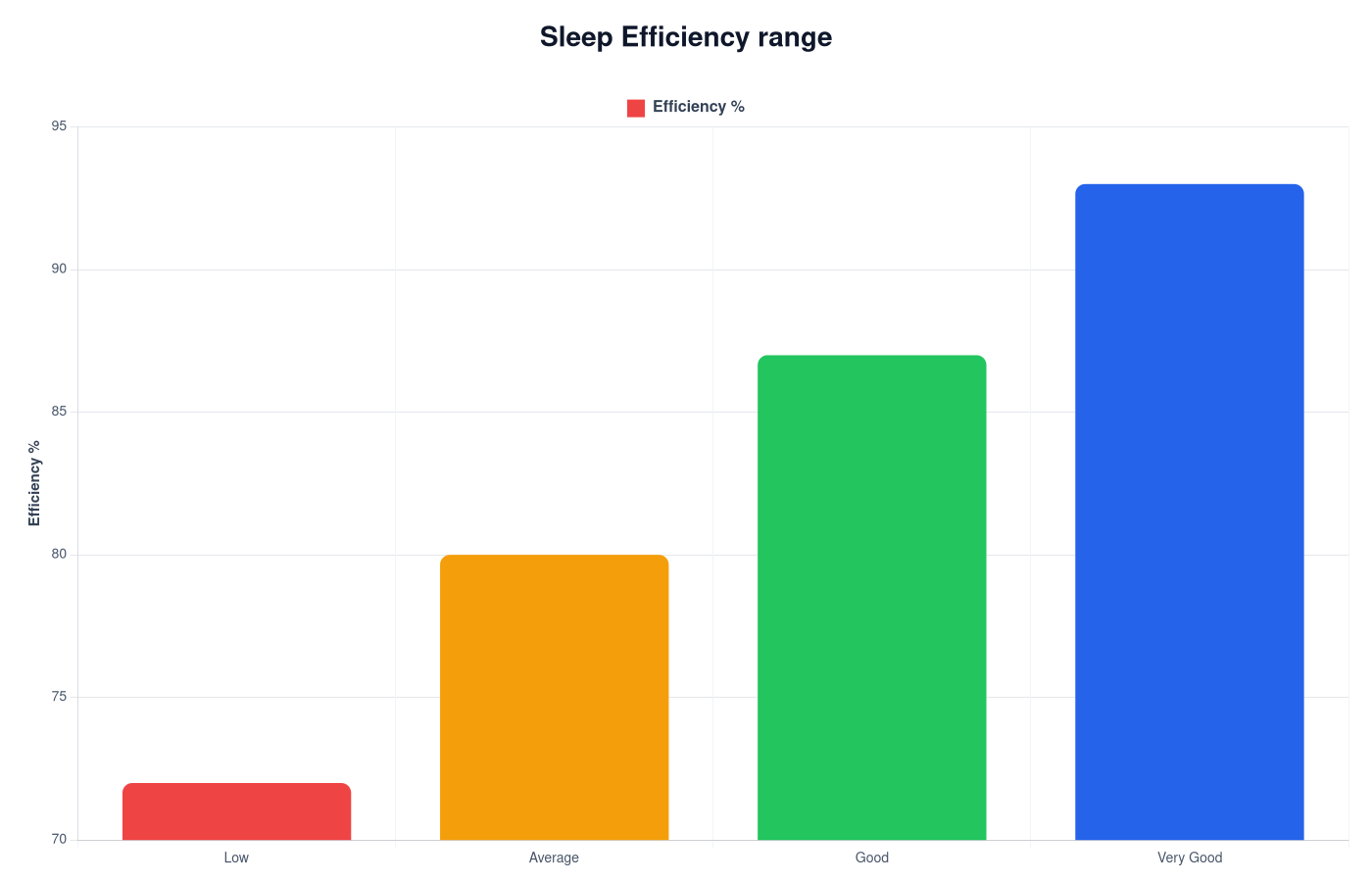
Schlafeffizienz Chart
Schlafeffizienz Charts zeigen, wie viel Zeit im Bett tatsächlich geschlafen wird und helfen die Schlafkontinuität besser einzuordnen.
Chart ansehen →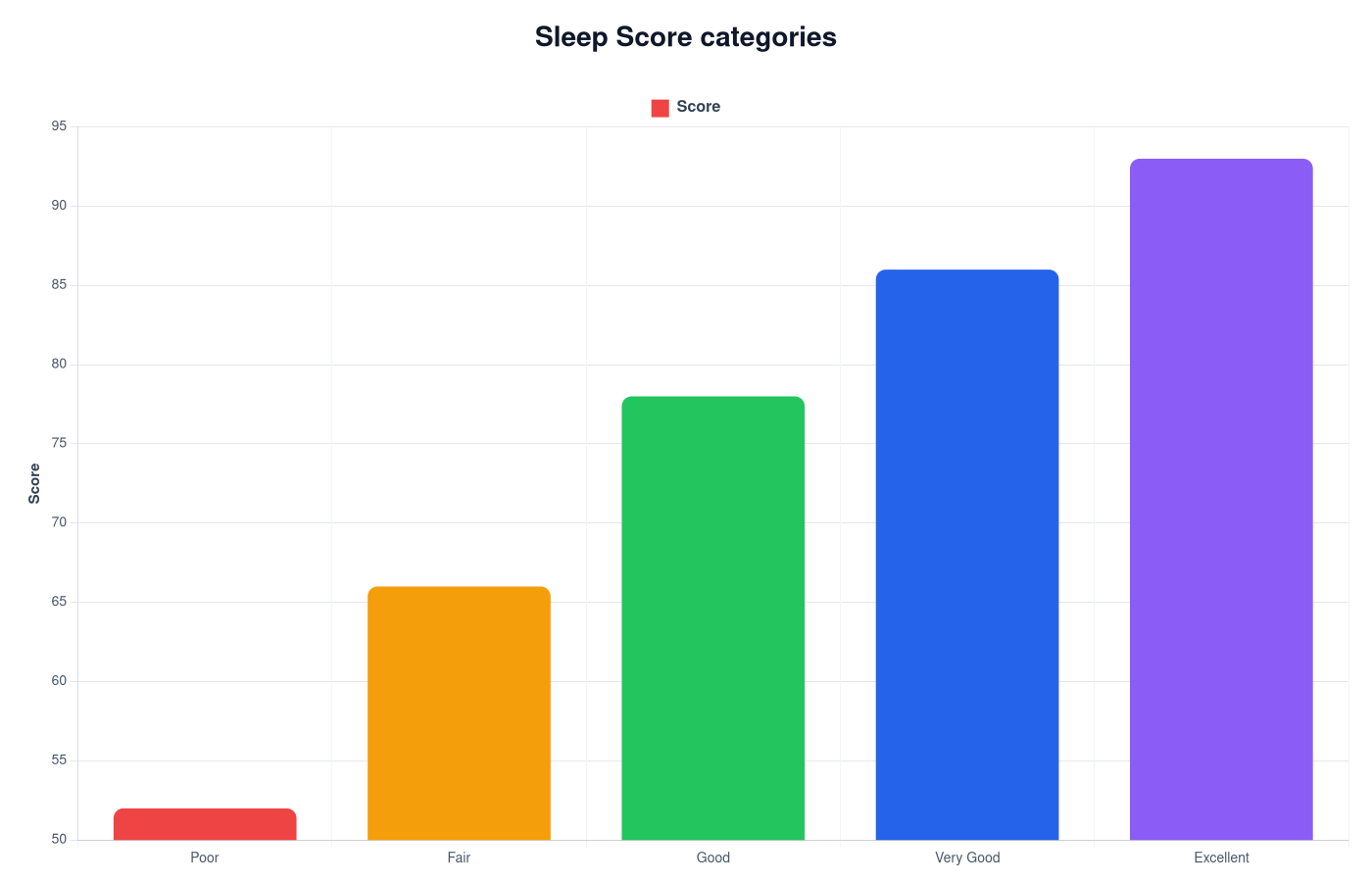
Schlafscore Chart
Schlafscore Charts zeigen typische Scorebereiche und helfen Wearable Schlafbewertungen zu verstehen.
Chart ansehen →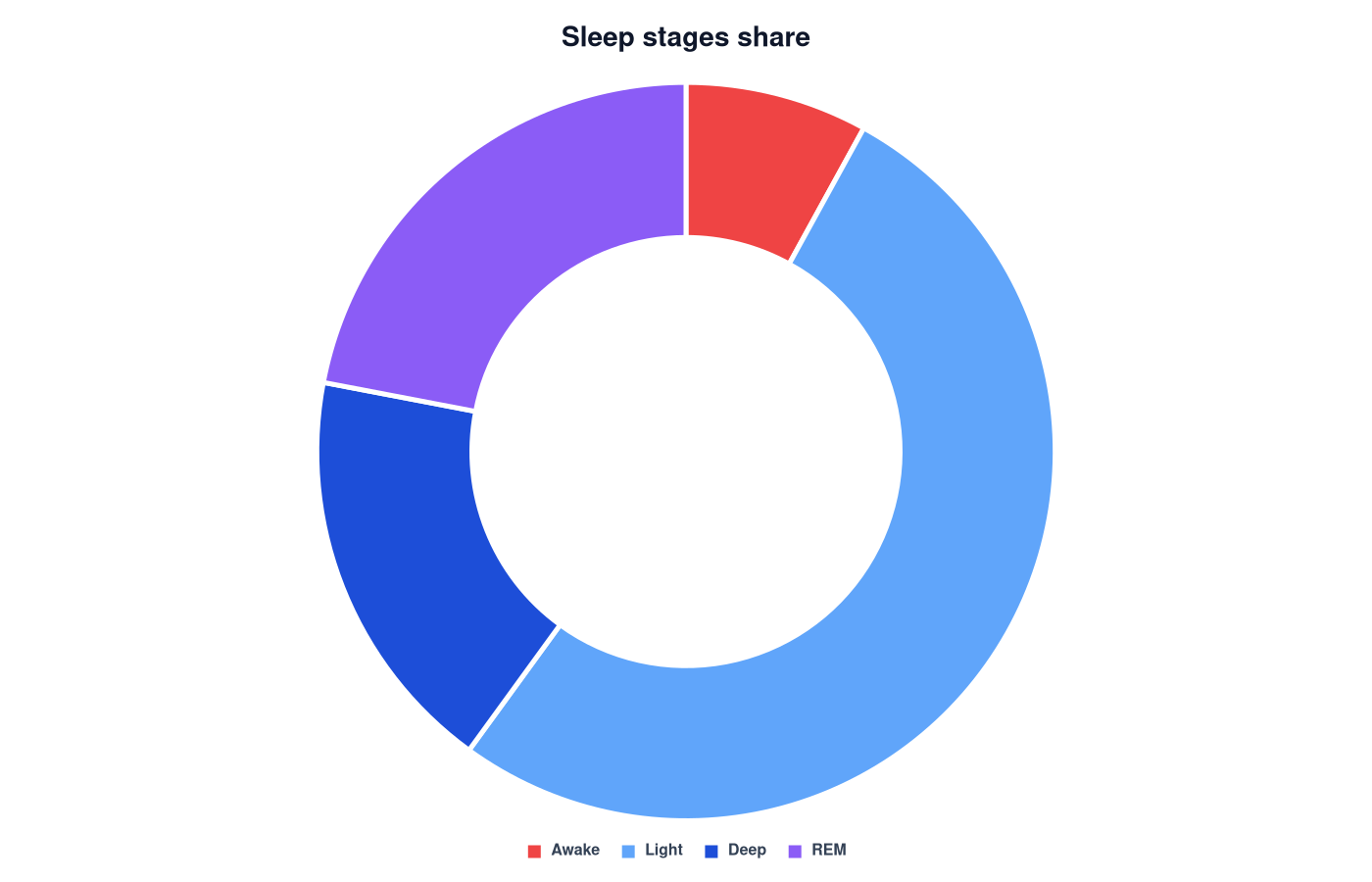
Schlafphasen Chart
Schlafphasen Charts zeigen die Verteilung von Leichtschlaf, Tiefschlaf und REM Schlaf.
Chart ansehen →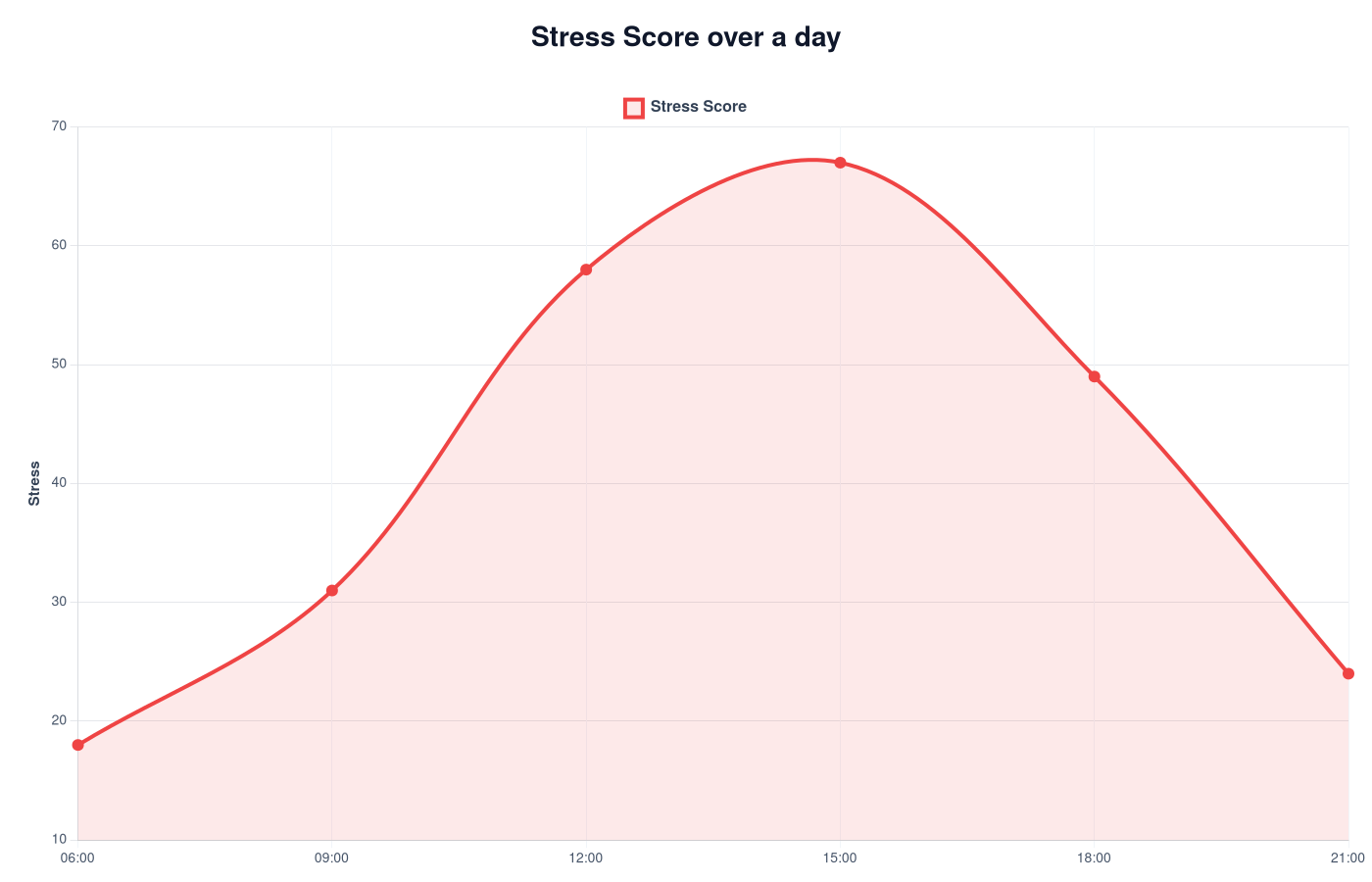
Stress Score Chart
Stress Score Charts zeigen typische Stressbereiche und helfen Wearable Stresssignale zu interpretieren.
Chart ansehen →