
Beste Wearable Recovery Tracker
Moderne Wearables analysieren Erholung anhand von Schlafqualität, HRV und Herzfrequenz.
Whoop
Whoop konzentriert sich besonders auf Recovery und Trainingsbelastung.
Oura Ring
Der Oura Ring analysiert Schlaf und HRV Trends zur Bewertung der Erholung.
Garmin
Garmin Geräte zeigen HRV Status, Trainingsbereitschaft und Recovery Time.
Wie Recovery Tracker funktionieren
Recovery Scores kombinieren Signale wie HRV, Schlafqualität und Ruhepuls.
Siehe das Recovery Score Chart.
Best Recovery Tracker: Maximizing Your Health with Wearable Technology
In our fast-paced world, recovery is a crucial yet often overlooked component of overall health and fitness. Enter the Best Recovery Tracker, an innovative tool designed to optimize recovery times, improve performance, and enhance overall well-being. This article will demystify what recovery trackers are, how to interpret their data, their relevance in the wearable technology market, and offer practical ways to implement their insights into your daily routine.
What is a Recovery Tracker?
A recovery tracker is a wearable device or application that monitors various physiological metrics to assess how well your body is recovering from physical exertion. These trackers are particularly popular among athletes, fitness enthusiasts, and anyone keen on optimizing their health and performance. They help users understand when to push themselves harder and when to take a break, thereby preventing overtraining and injury.
Key Features of Recovery Trackers:
- Heart Rate Variability (HRV): Measures the fluctuation in time intervals between heartbeats, providing insights into your autonomic nervous system and indicating stress levels.
- Sleep Quality: Monitors duration and quality of sleep, helping to identify patterns and issues that may be affecting recovery.
- Activity Levels: Tracks your daily physical activity, ensuring you strike the right balance between exercise and rest.
- Respiration Rate: Measures breaths per minute, highlighting changes that may indicate fatigue or recovery needs.
- Body Temperature: Assesses changes in body temperature, which can signal various health conditions or recovery states.
Interpreting Recovery Tracker Data
Understanding the data provided by a recovery tracker can be a game-changer for your health regimen. Here’s how you can interpret key metrics:
Metrics Breakdown:
-
Heart Rate Variability (HRV)
- High HRV: Indicates a well-recovered body and readiness for physical exertion.
- Low HRV: Signals increased stress and that your body may need more time to recover.
-
Sleep Quality
- Deep Sleep: Essential for physical recovery; should be 20-25% of your total sleep.
- Restless Sleep: High instances of wakefulness indicate poor recovery.
-
Activity Levels
- Moderate Activity: Ideal for maintaining health; look for consistency rather than intensity.
- Increased Activity with Low Recovery: May indicate potential risk for overtraining.
-
Respiration Rate
- Lower than Average Rate: Often associated with recovery states.
- Higher than Average Rate: Could indicate stress or inadequate recovery.
-
Body Temperature
- Stable Temperature: Typical finding during recovery.
- Rapid Increases or Decreases: May indicate illness or stress responses.
Wearable Relevance
The rise of wearable technology has made recovery trackers more accessible than ever. Here are some ways these devices have gained relevance in the wellness domain:
- Integration with Fitness Apps: Most wearable trackers sync effortlessly with fitness applications, allowing users to view comprehensive health data.
- Portability: Lightweight and easy to wear, recovery trackers can be used throughout the day without hampering daily activities.
- Real-time Feedback: Instant notifications about recovery levels empower users to make informed decisions regarding training intensity.
- Detailed Reporting: Many devices provide monthly or weekly reports, allowing users to track changes over time and adjust their routines accordingly.
Practical Use of Recovery Trackers
To make the most out of your recovery tracker, consider the following actionable tips:
Daily Routine Integration:
- Monitor Before You Train: Check your HRV and sleep quality before each workout to gauge your readiness.
- Schedule Recovery Days: Use your tracker’s insights to designate specific days for lower-intensity activities or complete rest.
Analyze Patterns:
- Weekly Check-ins: At the end of each week, review your metrics to identify trends, such as improved HRV correlating with particular rest periods or training schedules.
- Adjust Lifestyle Factors: If your tracker shows poor sleep quality, consider implementing a sleep hygiene routine to enhance recovery.
Set Goals:
- Utilize Data for Goal Setting: Use insights to establish attainable recovery goals, helping you maintain balance between training and rest.
- Incorporate Health Metrics into Fitness Goals: Align fitness regimes with recovery data to enhance athletic performance and overall health.
Seek Professional Guidance:
- Work with Trainers or Coaches: Share your recovery data with fitness professionals who can better tailor training programs to prevent injury and optimize performance.
Conclusion
A recovery tracker represents a powerful tool in the pursuit of optimal health and fitness. By understanding its features, interpreting its data, and actively integrating it into your daily practices, you can significantly enhance your recovery times and overall well-being. The evolution of wearable technology has made tracking recovery not only possible but easy and efficient. Embrace the journey towards better recovery, and unlock your potential for improved health today.
Empfohlene Wearables für RECOVERY
Verstehe deine Gesundheitsdaten
LongLife Scan analysiert Wearable-Gesundheitsdaten und hilft dir, Muster in Stress, Schlaf und Erholung zu verstehen.
LongLife Scan ausprobierenVerwandte Metriken
HRV Metrik
Heart rate variability shows how your nervous system responds to stress and recovery.
Metrik ansehen →
Gesundheitsmetriken
Übersicht wichtiger Wearable Gesundheitsmetriken wie HRV, VO2max und Schlaf.
Metrik ansehen →
Verwandte Charts
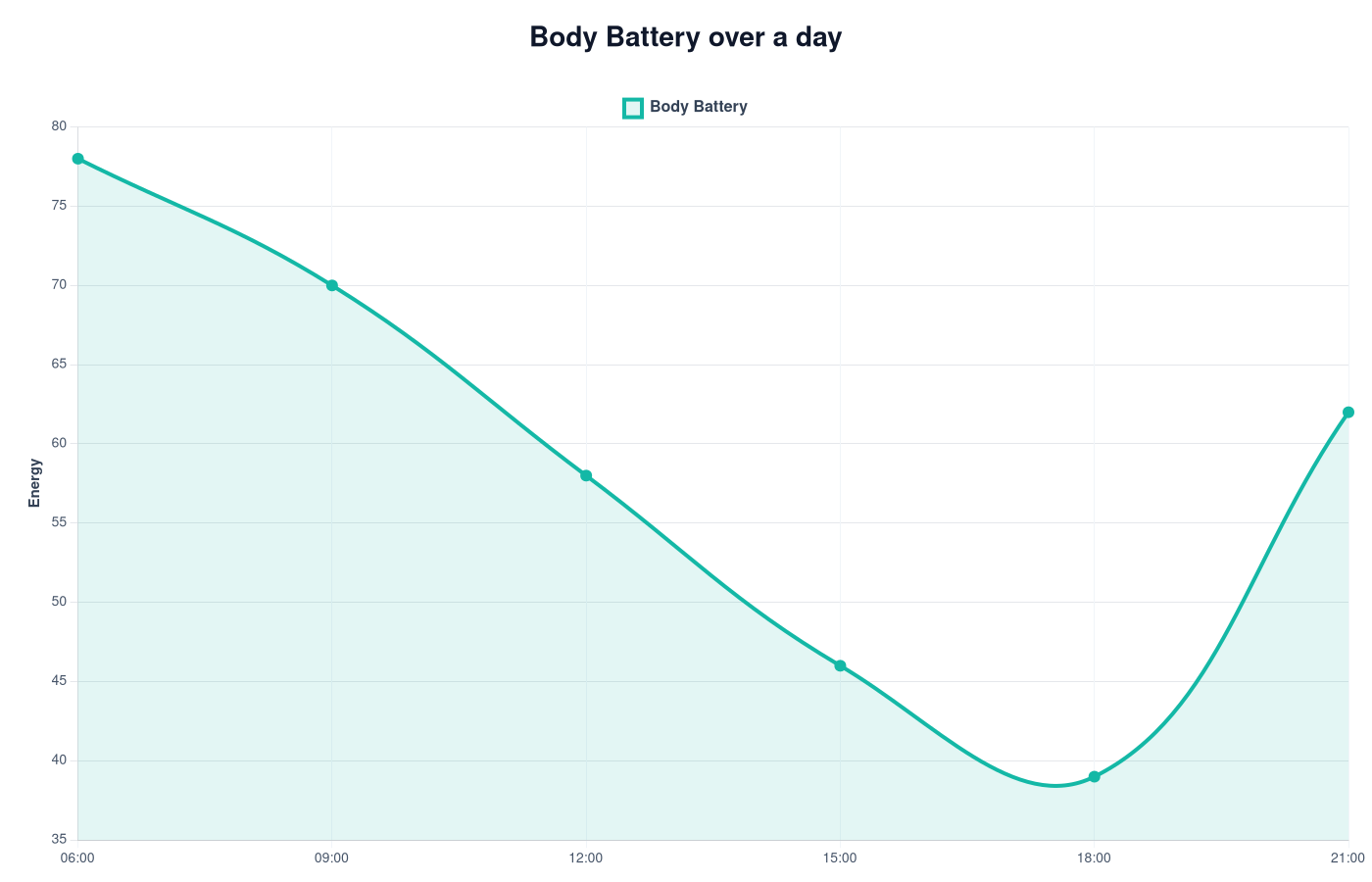
Body Battery Chart
Body Battery Charts zeigen, wie Wearables Energie und Erholung über den Tag schätzen.
Chart ansehen →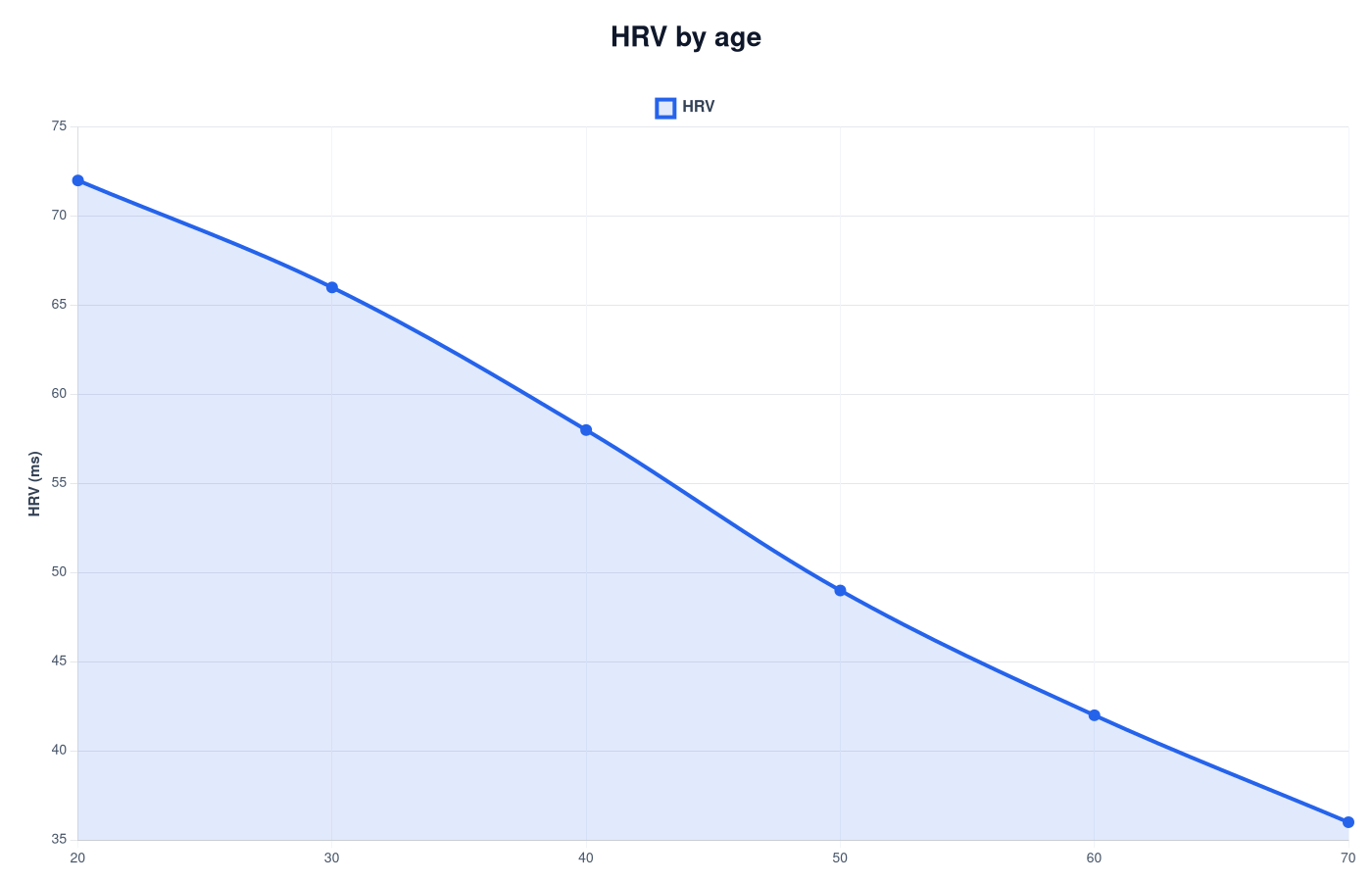
HRV Chart – typische HRV Bereiche
HRV Charts zeigen typische Bereiche der Herzratenvariabilität und helfen Werte besser einzuordnen.
Chart ansehen →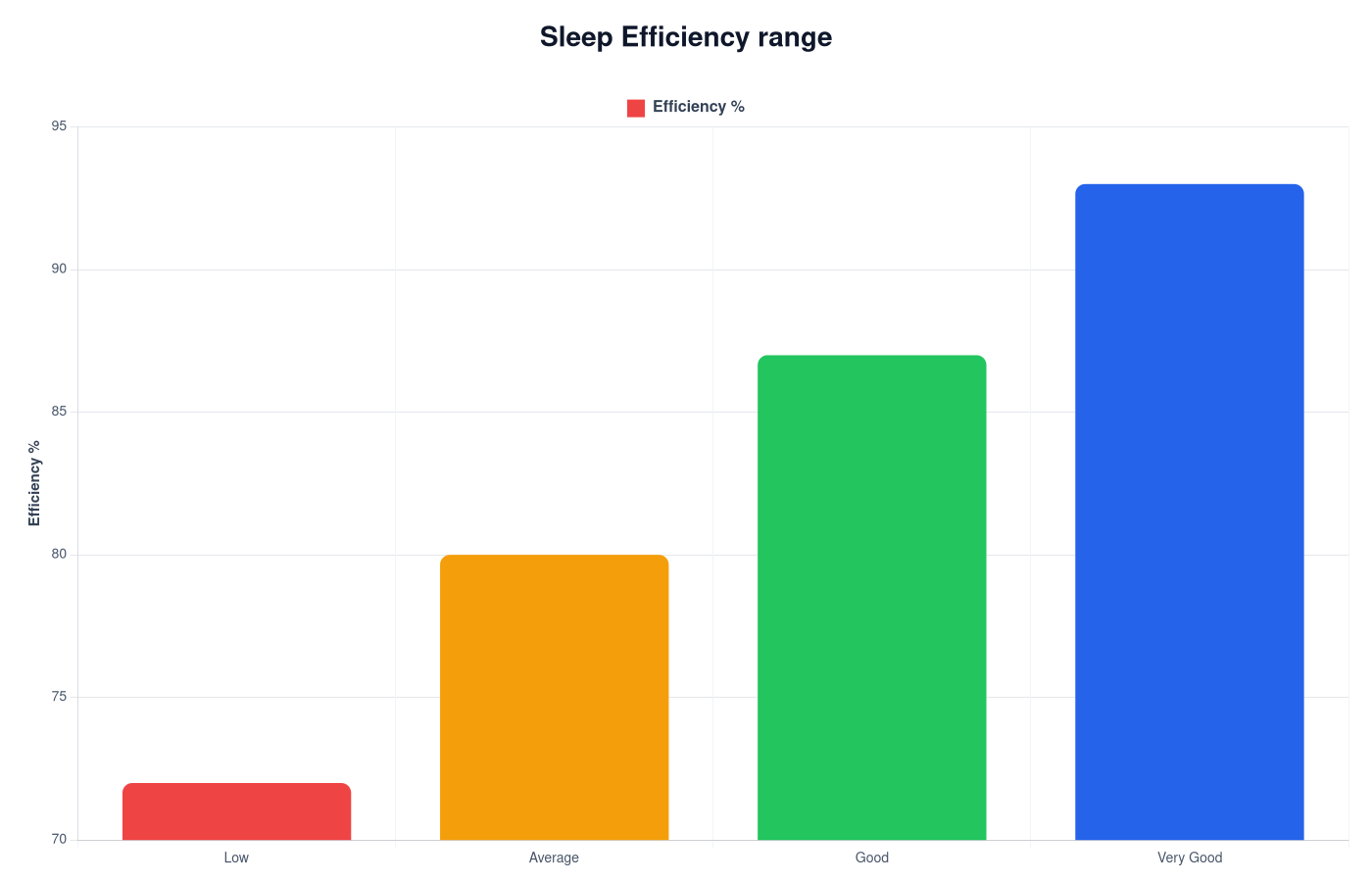
Schlafeffizienz Chart
Schlafeffizienz Charts zeigen, wie viel Zeit im Bett tatsächlich geschlafen wird und helfen die Schlafkontinuität besser einzuordnen.
Chart ansehen →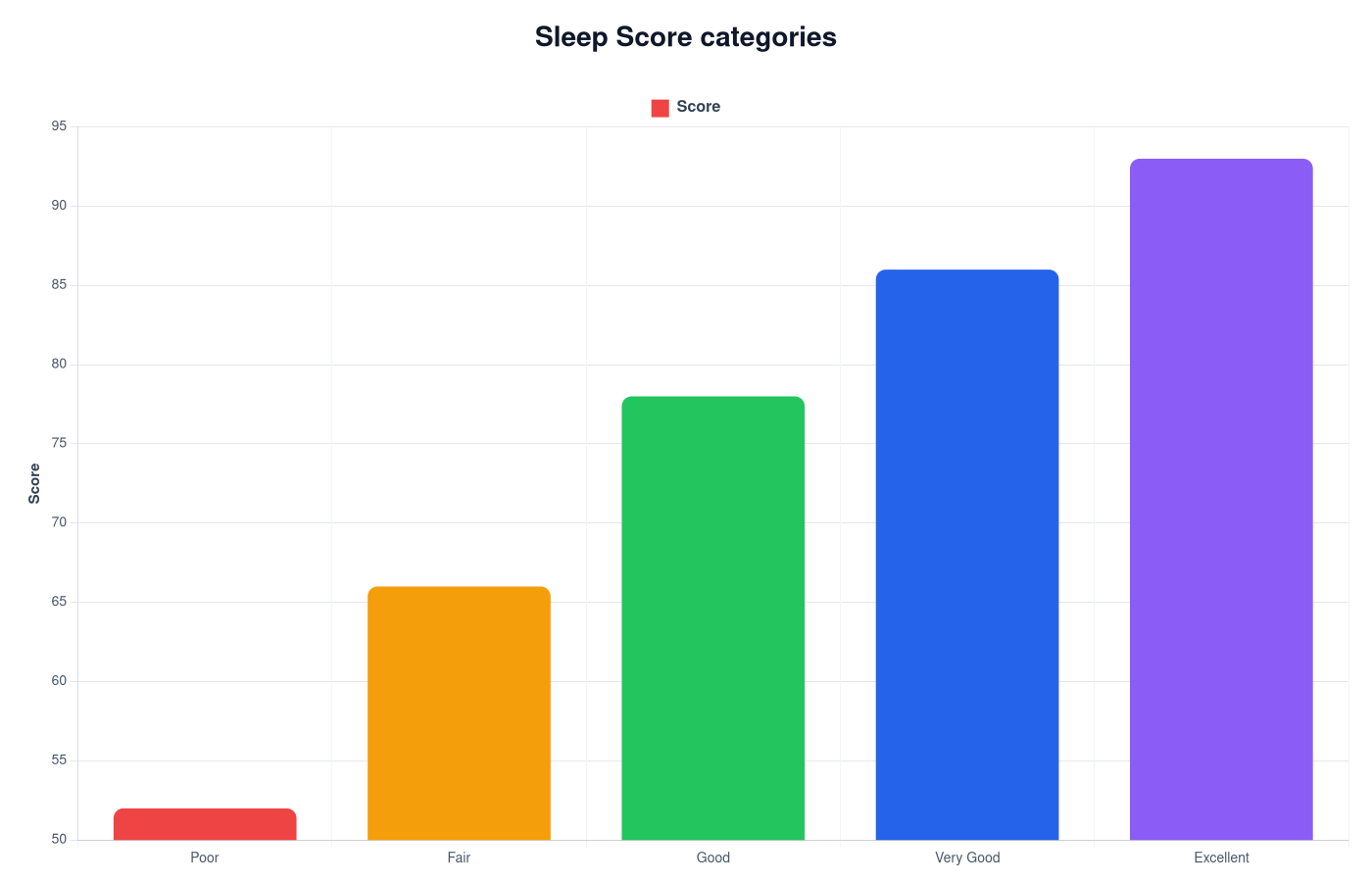
Schlafscore Chart
Schlafscore Charts zeigen typische Scorebereiche und helfen Wearable Schlafbewertungen zu verstehen.
Chart ansehen →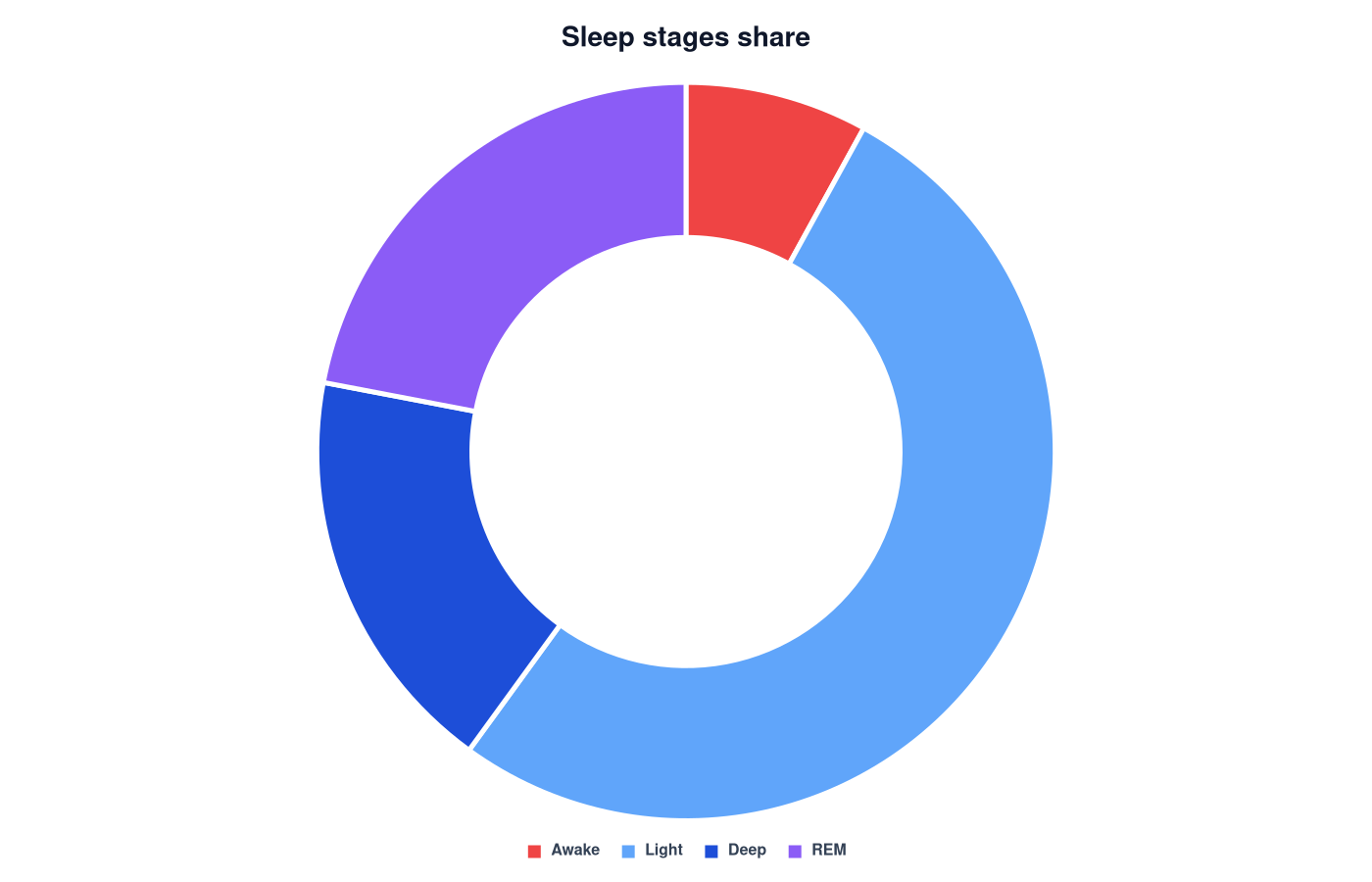
Schlafphasen Chart
Schlafphasen Charts zeigen die Verteilung von Leichtschlaf, Tiefschlaf und REM Schlaf.
Chart ansehen →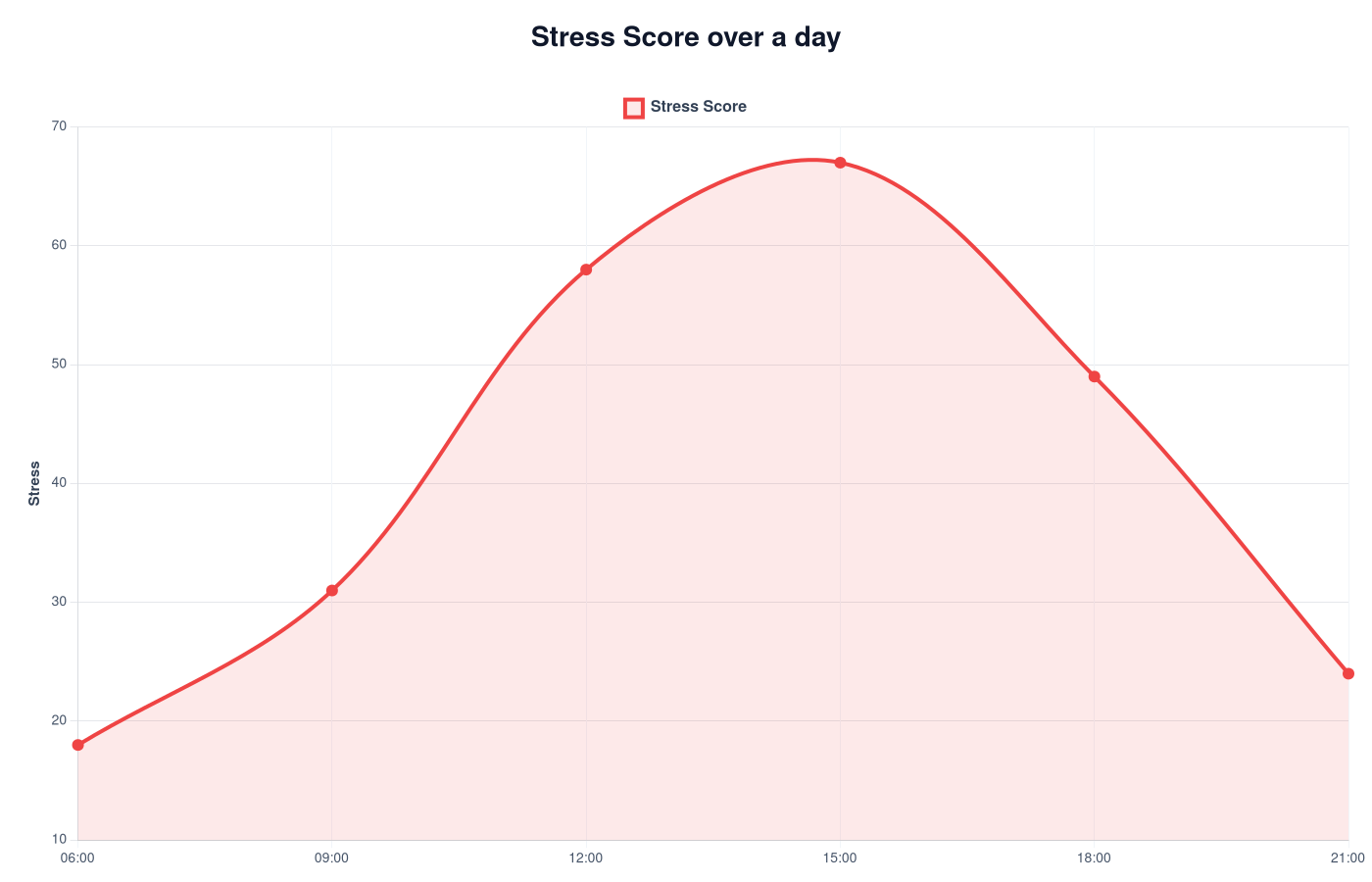
Stress Score Chart
Stress Score Charts zeigen typische Stressbereiche und helfen Wearable Stresssignale zu interpretieren.
Chart ansehen →