
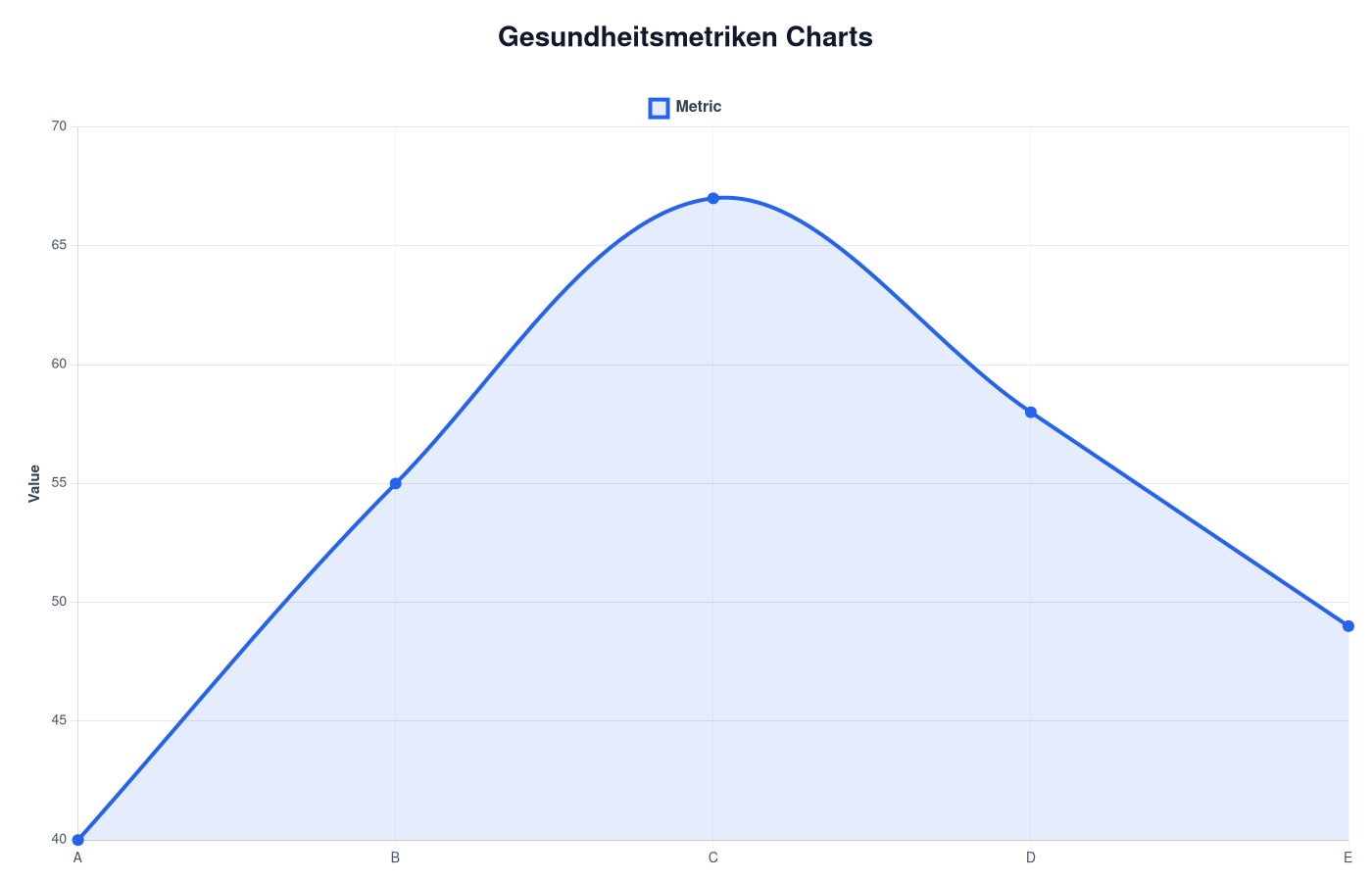
Gesundheitsmetriken Charts
Wearables erzeugen viele Gesundheitsmetriken. Charts helfen dabei, diese Werte besser einzuordnen und mit typischen Bereichen zu vergleichen.

Body Battery Chart
Body Battery Werte schätzen, wie erholt oder belastet dein Körper basierend auf Stress, Schlaf und Aktivität sein könnte.
Chart ansehen →
HRV Chart – typische HRV Bereiche
HRV Charts helfen Herzratenvariabilität Werte besser einzuordnen.
Chart ansehen →
Schlafeffizienz Chart
Schlafeffizienz beschreibt, wie viel deiner Zeit im Bett tatsächlich als Schlaf verbracht wird.
Chart ansehen →
Schlafphasen Chart
Schlafphasen zeigen wie sich dein Schlaf zwischen Leichtschlaf, Tiefschlaf und REM Schlaf verteilt.
Chart ansehen →
Trainingsbelastung Chart
Trainingsbelastung beschreibt wie stark dein Körper durch Training beansprucht wird.
Chart ansehen →
VO2max Chart – Fitnessbereiche
VO2max Charts helfen aerobe Fitness besser einzuordnen.
Chart ansehen →
Gesundheitsmetriken Charts: A Comprehensive Guide to Health Metrics
In today’s increasingly health-conscious society, the monitoring of personal health through technology has become commonplace. Wearable devices like smartwatches and fitness trackers have ushered in an era where Gesundheitsmetriken charts play a critical role in understanding and optimizing our health. This article aims to explain what Gesundheitsmetriken charts are, how to interpret them, their relevance to wearable technology, and their practical applications in daily life.
What are Gesundheitsmetriken Charts?
Gesundheitsmetriken, or health metrics, refer to a collection of measurable data points related to an individual’s physical health. These include metrics such as:
- Heart rate
- Sleep patterns
- Physical activity levels
- Blood oxygen saturation
- Body temperature
- Stress levels
Gesundheitsmetriken charts are graphical representations of these data points, allowing users to visualize their health trends over time. Available on many wearable devices, these charts enable users to track their progress, identify patterns, and make informed health-related decisions.
How to Interpret Gesundheitsmetriken Charts
Understanding Gesundheitsmetriken charts can be paramount to effectively utilizing this data for one's health:
Key Interpretation Techniques
- Axes and Units: Most charts come with two axes. The X-axis often represents time, while the Y-axis represents the specific health metric. Familiarizing yourself with these axes can help identify trends.
- Colors and Symbols: Different colors or symbols may indicate healthy vs. unhealthy ranges. Familiarizing yourself with the color codes can make interpretation easier.
- Trends Over Time: Look for patterns. Is your heart rate increasing during workouts? Are you sleeping less as the week progresses? Recognizing these trends can help you tailor your actions.
- Goal Setting: Many wearables allow you to set health goals. The charts can gauge your progress toward these goals, offering motivation to maintain a healthy lifestyle.
The Relevance of Wearables
Wearable technology has revolutionized personal health monitoring, and Gesundheitsmetriken charts are at the forefront of this transformation. Here are a few reasons why wearables are essential:
Why Wearables Matter:
- Real-Time Data Collection: Wearables continuously monitor health metrics, allowing for instantaneous feedback.
- Convenience: Easy access to health data at your wrist encourages consistency in monitoring.
- Personalization: Many wearable devices can customize charts based on individual health goals and metrics, leading to tailored health management plans.
- Data-Driven Decisions: Having access to comprehensive health data can enable better lifestyle choices, potentially reducing the risk of chronic diseases.
- Community Engagement: Apps associated with wearables often allow sharing of achievements, fostering a sense of community and accountability.
Practical Use of Gesundheitsmetriken Charts
Understanding how to implement Gesundheitsmetriken charts into daily practice can enhance your overall well-being. Here are several practical applications:
Daily Health Management
- Morning Routine: Check your sleep metrics upon waking to assess sleep quality. Aim for a sleep score of 85 or higher, adjusting nighttime habits if necessary.
- Workout Monitoring: Use real-time heart rate data during exercise to ensure you remain in your target heart rate zone for maximum benefit.
- Stress Management: Observe fluctuations in your stress metrics throughout the day. If high levels are consistently recorded, consider yoga or meditation to combat stress.
Long-Term Health Goals
- Weight Loss or Gain: Set specific goals and utilize activity and calorie metrics to track your progress toward those goals.
- Health Conditions: If managing a chronic condition (e.g., diabetes), regularly monitor blood glucose levels or other relevant health metrics to inform dietary or lifestyle adjustments.
Doctor’s Visits
- Data Sharing: Bring printed charts or app data to medical appointments to provide healthcare providers with a clear picture of your trends, which can inform diagnosis or treatment strategies.
- Proactive Health Measures: If your charts reveal concerning trends (e.g., increased resting heart rate), take them to your doctor for proactive discussions about preventive measures.
Conclusion
Gesundheitsmetriken charts provide invaluable insights into your overall health. By efficiently interpreting and utilizing the data provided, you can make informed decisions that lead to improved health outcomes. With the continuous advancements in wearable technology, these charts will become even more intuitive and integrated into our health monitoring routines. Whether you use them for daily management, long-term health goals, or discussions with healthcare providers, the power of Gesundheitsmetriken charts is immense and indispensable in today’s wellness journey. Embrace the future of health with wearable technology and leverage these critical metrics for a healthier, more informed lifestyle.
Empfohlene Wearables für FITNESS
Verstehe deine Gesundheitsdaten
LongLife Scan analysiert Wearable-Gesundheitsdaten und hilft dir, Muster in Stress, Schlaf und Erholung zu verstehen.
LongLife Scan ausprobierenVerwandte Metriken
HRV Metrik
Heart rate variability shows how your nervous system responds to stress and recovery.
Metrik ansehen →
Gesundheitsmetriken
Übersicht wichtiger Wearable Gesundheitsmetriken wie HRV, VO2max und Schlaf.
Metrik ansehen →
Verwandte Charts
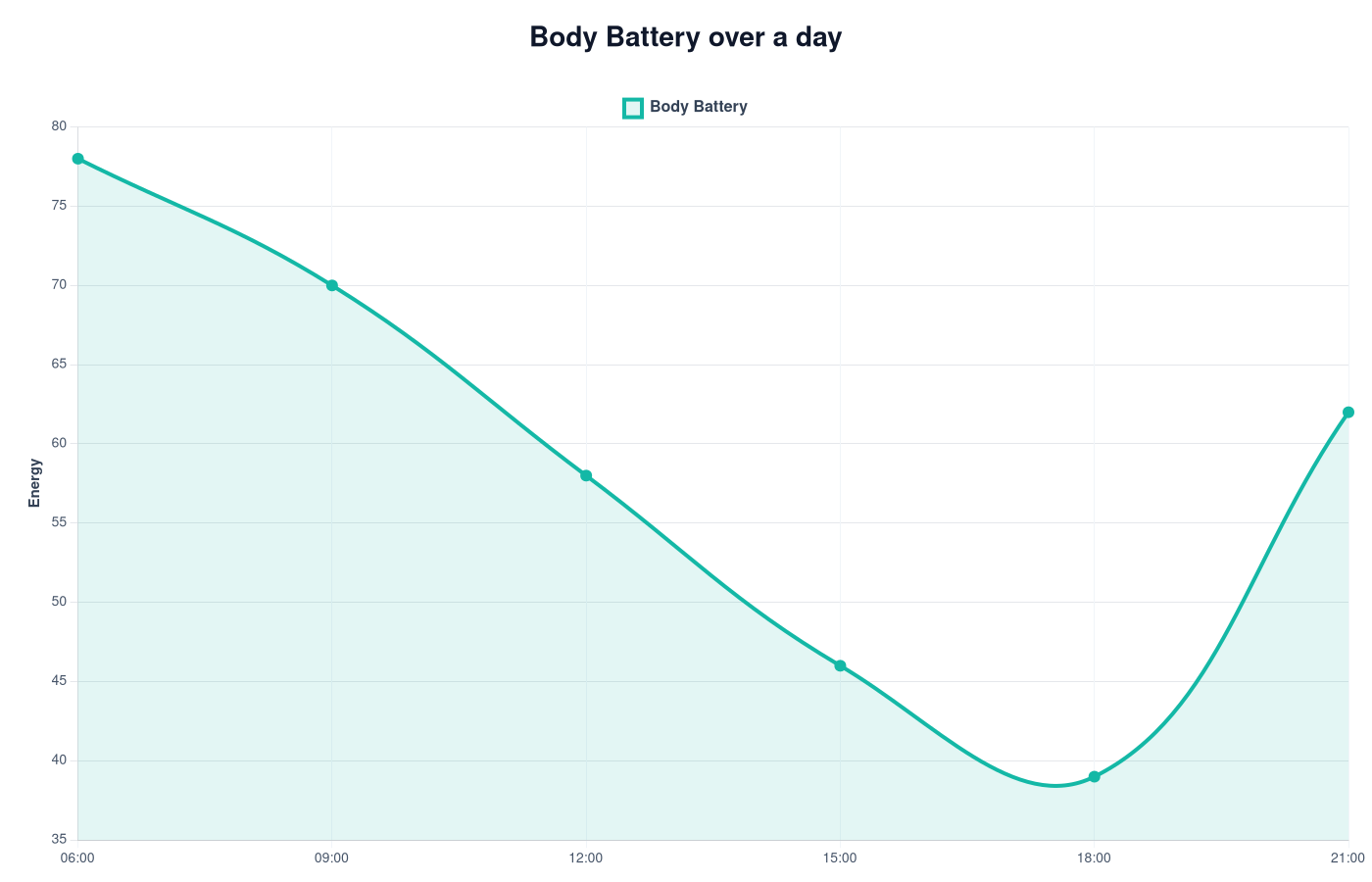
Body Battery Chart
Body Battery Charts zeigen, wie Wearables Energie und Erholung über den Tag schätzen.
Chart ansehen →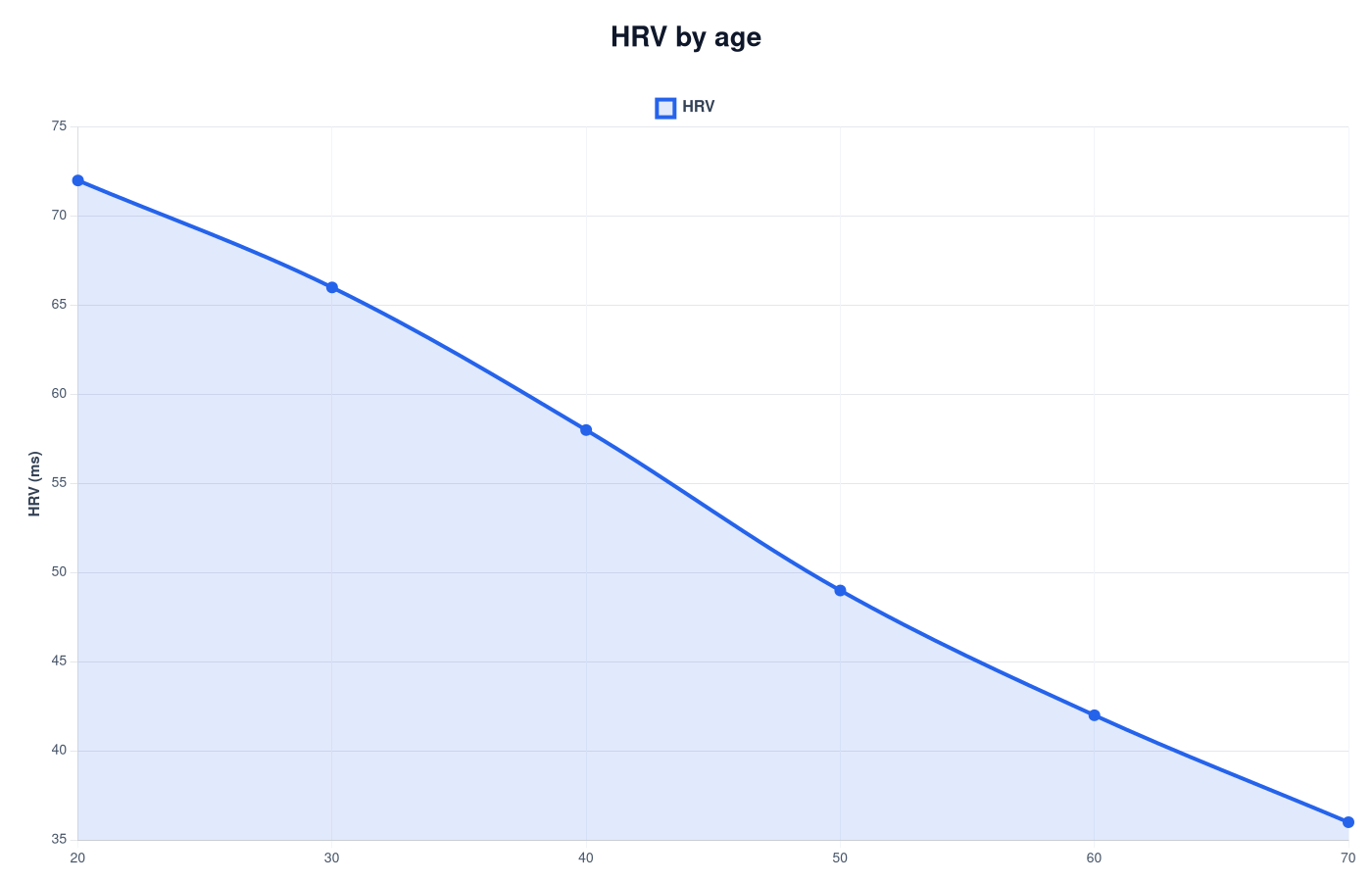
HRV Chart – typische HRV Bereiche
HRV Charts zeigen typische Bereiche der Herzratenvariabilität und helfen Werte besser einzuordnen.
Chart ansehen →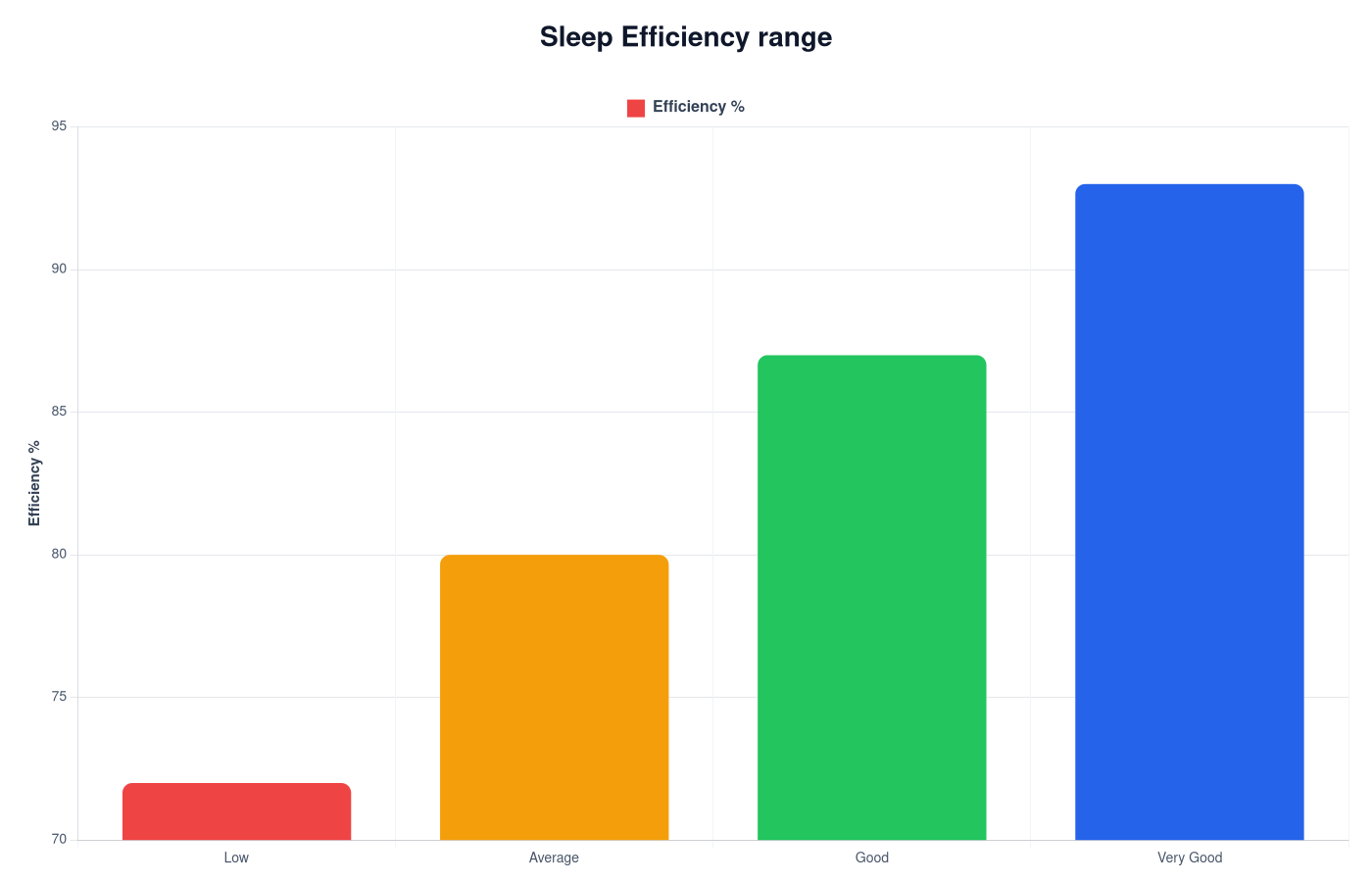
Schlafeffizienz Chart
Schlafeffizienz Charts zeigen, wie viel Zeit im Bett tatsächlich geschlafen wird und helfen die Schlafkontinuität besser einzuordnen.
Chart ansehen →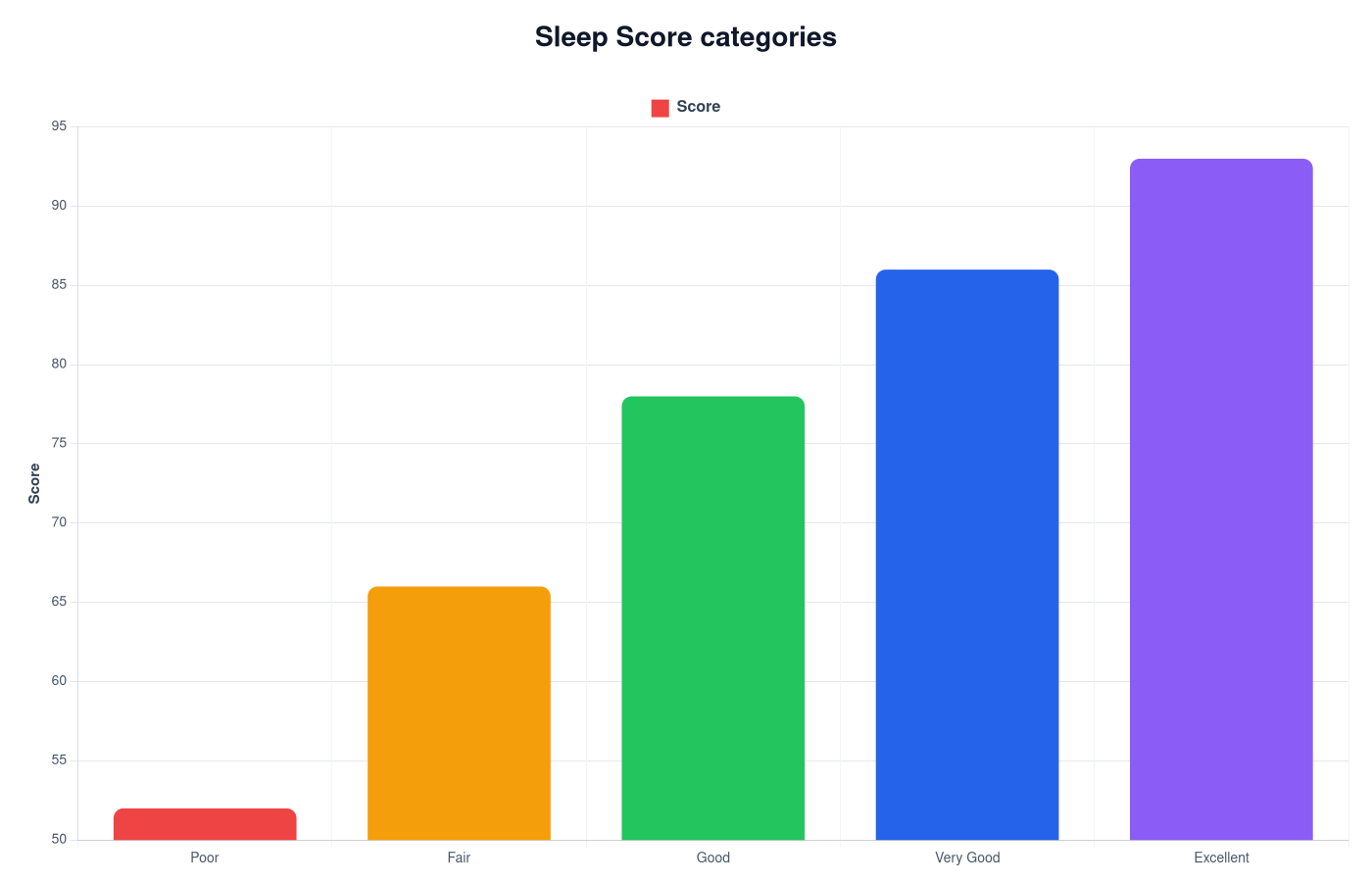
Schlafscore Chart
Schlafscore Charts zeigen typische Scorebereiche und helfen Wearable Schlafbewertungen zu verstehen.
Chart ansehen →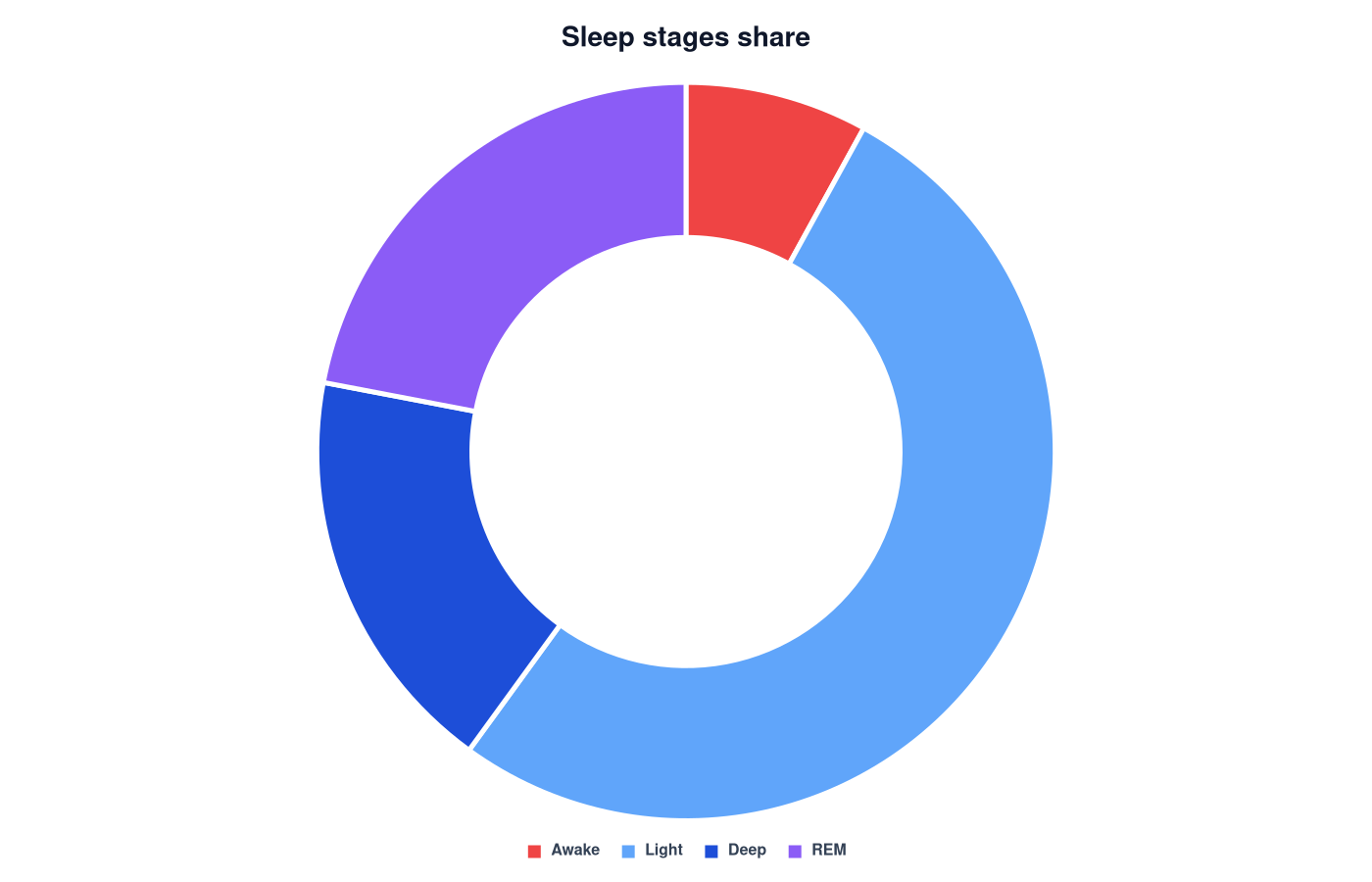
Schlafphasen Chart
Schlafphasen Charts zeigen die Verteilung von Leichtschlaf, Tiefschlaf und REM Schlaf.
Chart ansehen →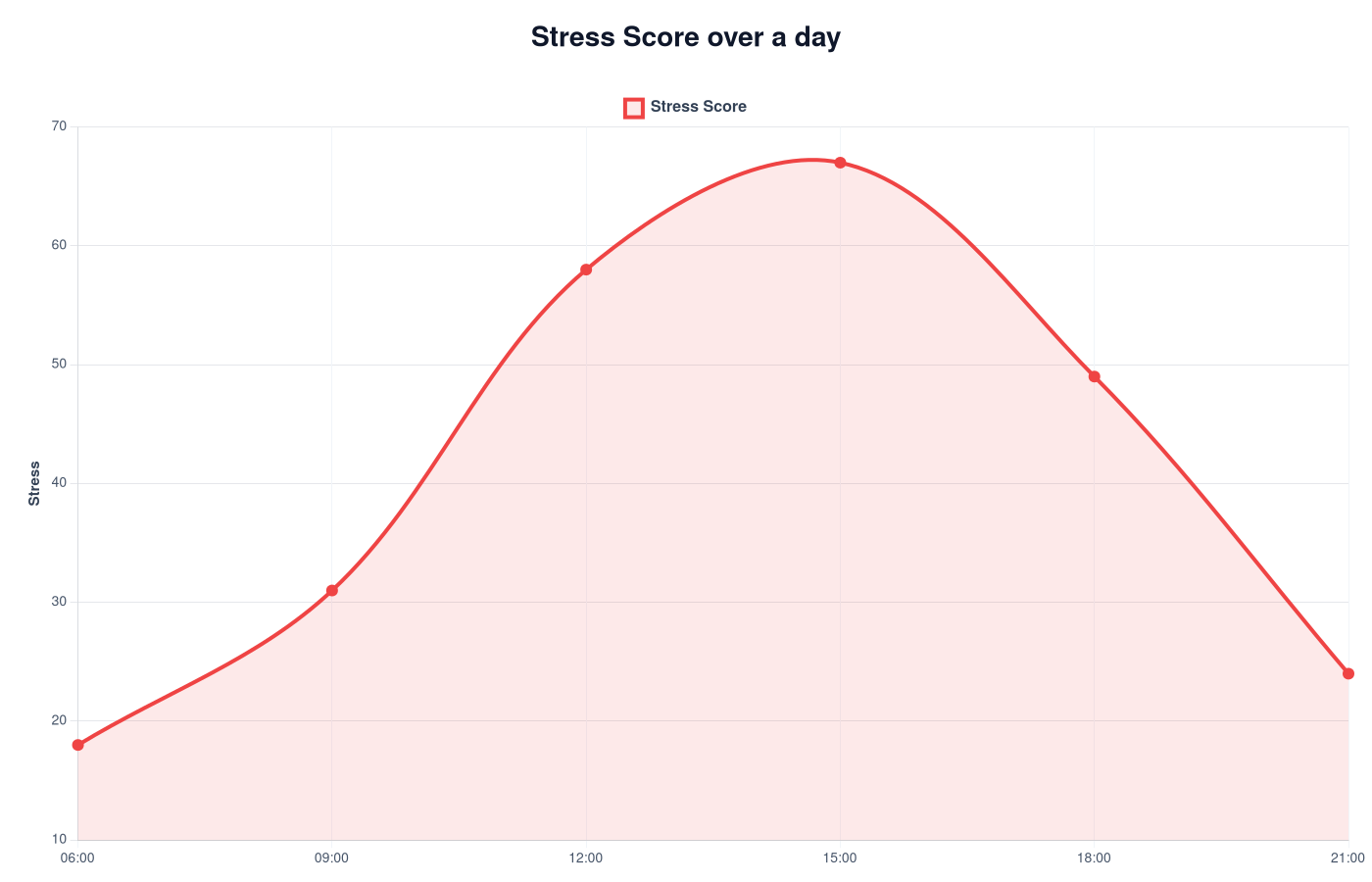
Stress Score Chart
Stress Score Charts zeigen typische Stressbereiche und helfen Wearable Stresssignale zu interpretieren.
Chart ansehen →