
Beste Fitness Wearables
Moderne Fitness Tracker kombinieren Sensoren und Algorithmen, um Training, Erholung und Aktivität zu analysieren.
Garmin
Garmin Geräte sind besonders für Fitness Tracking, Ausdauertraining und Trainingsanalyse beliebt.
Apple Watch
Die Apple Watch kombiniert Gesundheitsfunktionen mit Smartwatch-Features.
Whoop
Whoop konzentriert sich auf Recovery Analyse und Trainingsbelastung.
Oura Ring
Der Oura Ring fokussiert sich besonders auf Schlafanalyse und HRV.
Mehr über Trainingsbelastung.
Beste Fitness Tracker: Your Essential Guide to Choosing the Right Wearable
In today’s tech-driven world, maintaining a healthy lifestyle has never been easier, thanks to the rise of fitness trackers. These wearable devices have become essential tools for fitness enthusiasts and health-conscious individuals alike. In this article, we will delve into what the best fitness trackers are, their features, their interpretations, and practical uses, helping you make an informed decision when selecting the right one for you.
What is a Fitness Tracker?
A fitness tracker is a portable device worn on the wrist or body that monitors various health and fitness metrics. These devices use advanced sensors and technology to collect data related to physical activity, heart rate, sleep patterns, and more. Fitness trackers typically connect to mobile applications, allowing users to analyze their performance and gain insights into their overall health.
Key Features of Fitness Trackers
When choosing the beste fitness tracker for your needs, consider the following key features:
- Activity Tracking: Monitors steps, distance, calories burned, and active minutes.
- Heart Rate Monitoring: Provides continuous heart rate tracking and may include alerts for abnormal heart rates.
- Sleep Tracking: Offers data on sleep quality, duration, and patterns to help improve rest.
- GPS Functionality: Enables outdoor activity tracking without needing a phone, which is ideal for runners and cyclists.
- Water Resistance: Many trackers are designed to withstand water exposure, allowing for swimming and other water activities.
- Battery Life: Varies by model—some last days or even weeks on a single charge.
- Smart Notifications: Connects to your smartphone, displaying calls, messages, and app alerts directly on the device.
- Fitness Guidance: Some trackers provide personalized coaching or workout suggestions.
Interpretation of Fitness Tracking Data
Understanding the data collected by fitness trackers can greatly enhance your fitness journey. Here’s how to interpret common metrics:
- Step Count: A daily step goal of 10,000 steps is a popular benchmark, but adjust based on your activity level.
- Heart Rate Zones: Learn to recognize your resting heart rate and monitor changes. Understanding your heart rate zones can enhance your workout efficiency.
- Sleep Quality: Monitor your sleep stages (light, deep, and REM) to recognize patterns and improve sleep hygiene.
- Caloric Burn: Assess your caloric expenditure against your intake to manage your weight effectively.
By thoroughly understanding these metrics, you can make informed decisions and adjustments to your fitness regimen.
Wearable Relevance in Fitness and Health
Wearable technology has revolutionized health and fitness management. Here’s how fitness trackers contribute to broader wearable relevance:
- Motivation: Fitness trackers serve as daily motivators, pushing users to achieve their fitness goals through reminders and challenges.
- Accountability: Real-time feedback facilitates better adherence to fitness routines and lifestyle changes.
- Customized Experience: Advanced algorithms allow users to receive personalized insights and tips based on their data.
- Connective Experience: Many fitness trackers have a community feature that enables users to connect with friends and compete in challenges, fostering a sense of camaraderie.
The integration of wearables into your daily life not only simplifies health management but also enhances your awareness of personal wellness.
Practical Uses of Fitness Trackers
To get the most out of a fitness tracker, consider these practical applications:
-
Setting Goals: Use the tracker to set specific, measurable goals such as daily step targets, weight loss milestones, or heart rate zones to aim for during workouts.
-
Tracking Progress: Monitor your progress over time through the app associated with your tracker. Visualizing improvements will keep you motivated.
-
Fitness Challenges: Engage in step challenges with friends or online community members to boost both motivation and performance.
-
Resting Heart Rate Analysis: Track your resting heart rate to gauge recovery and cardiovascular fitness over time.
-
Sleep Improvement: Review your sleep data regularly to identify patterns and make adjustments to your sleep routine to ensure better rest.
-
Caloric Management: Use the caloric data to balance your diet and energy intake based on your activity levels.
Conclusion: Finding Your Best Fitness Tracker
Choosing the beste fitness tracker involves evaluating your personal fitness goals, preferred features, and budget. Remember to look for a device that seamlessly integrates into your lifestyle while providing the insights you need to achieve your health goals. With the right fitness tracker, you not only gain powerful insights into your activity levels but also gain a dedicated partner in your journey toward better health and well-being.
Whether you're a seasoned athlete, a casual walker, or someone starting a new fitness journey, the right tracker can be a game-changer in helping you stay motivated, accountable, and informed.
Empfohlene Wearables für FITNESS
Verstehe deine Gesundheitsdaten
LongLife Scan analysiert Wearable-Gesundheitsdaten und hilft dir, Muster in Stress, Schlaf und Erholung zu verstehen.
LongLife Scan ausprobierenVerwandte Metriken
HRV Metrik
Heart rate variability shows how your nervous system responds to stress and recovery.
Metrik ansehen →
Gesundheitsmetriken
Übersicht wichtiger Wearable Gesundheitsmetriken wie HRV, VO2max und Schlaf.
Metrik ansehen →
Verwandte Charts
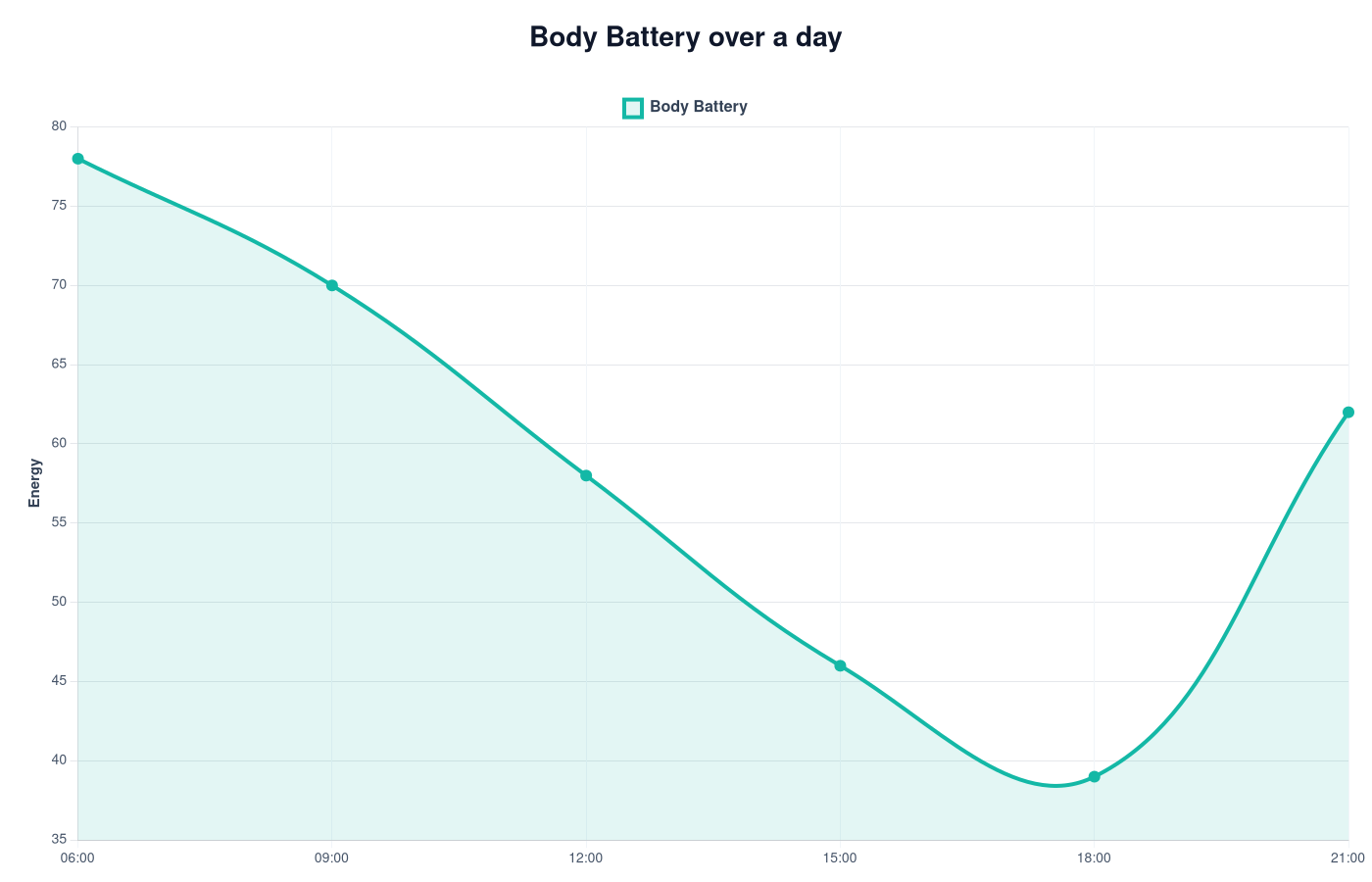
Body Battery Chart
Body Battery Charts zeigen, wie Wearables Energie und Erholung über den Tag schätzen.
Chart ansehen →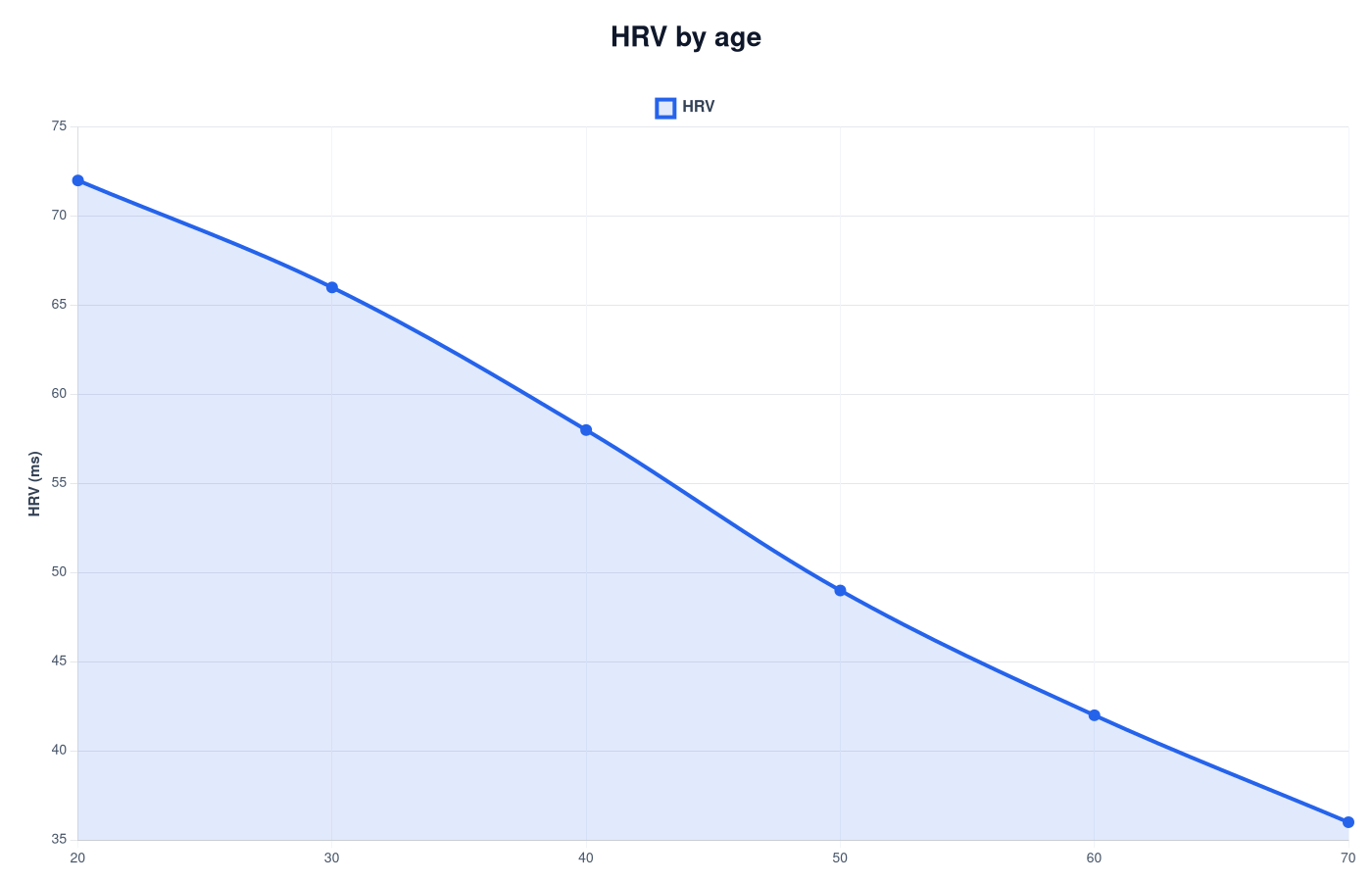
HRV Chart – typische HRV Bereiche
HRV Charts zeigen typische Bereiche der Herzratenvariabilität und helfen Werte besser einzuordnen.
Chart ansehen →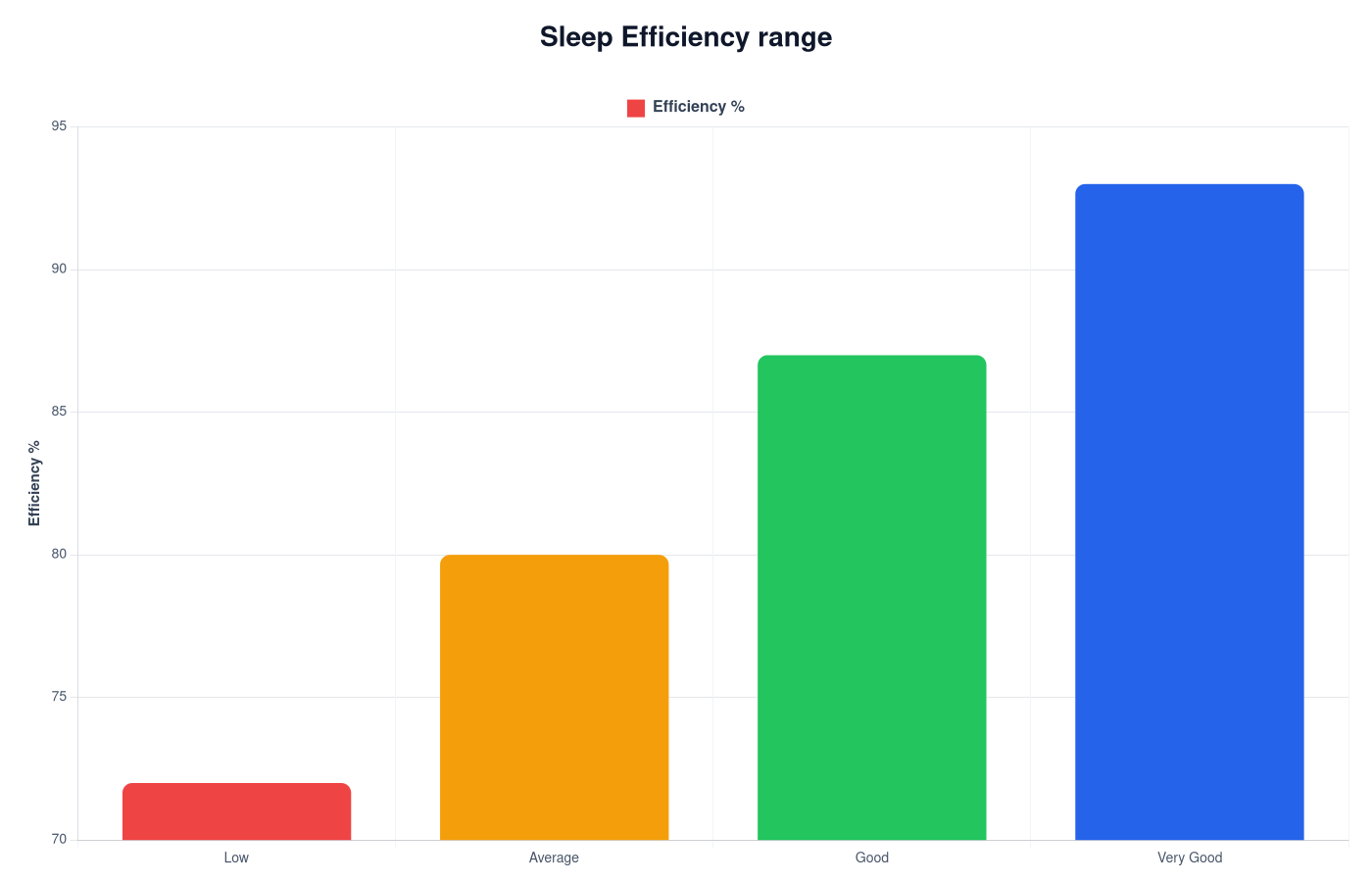
Schlafeffizienz Chart
Schlafeffizienz Charts zeigen, wie viel Zeit im Bett tatsächlich geschlafen wird und helfen die Schlafkontinuität besser einzuordnen.
Chart ansehen →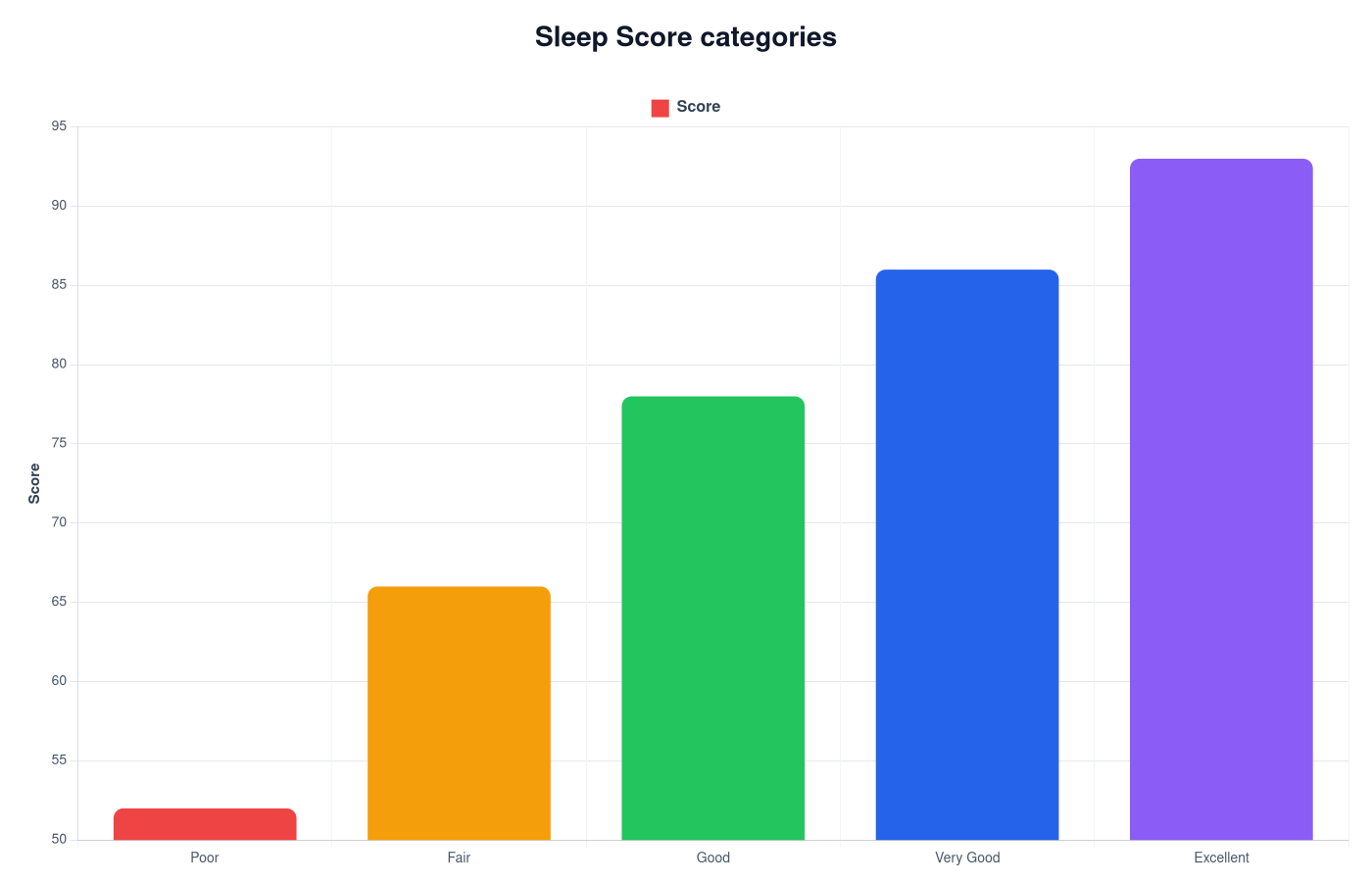
Schlafscore Chart
Schlafscore Charts zeigen typische Scorebereiche und helfen Wearable Schlafbewertungen zu verstehen.
Chart ansehen →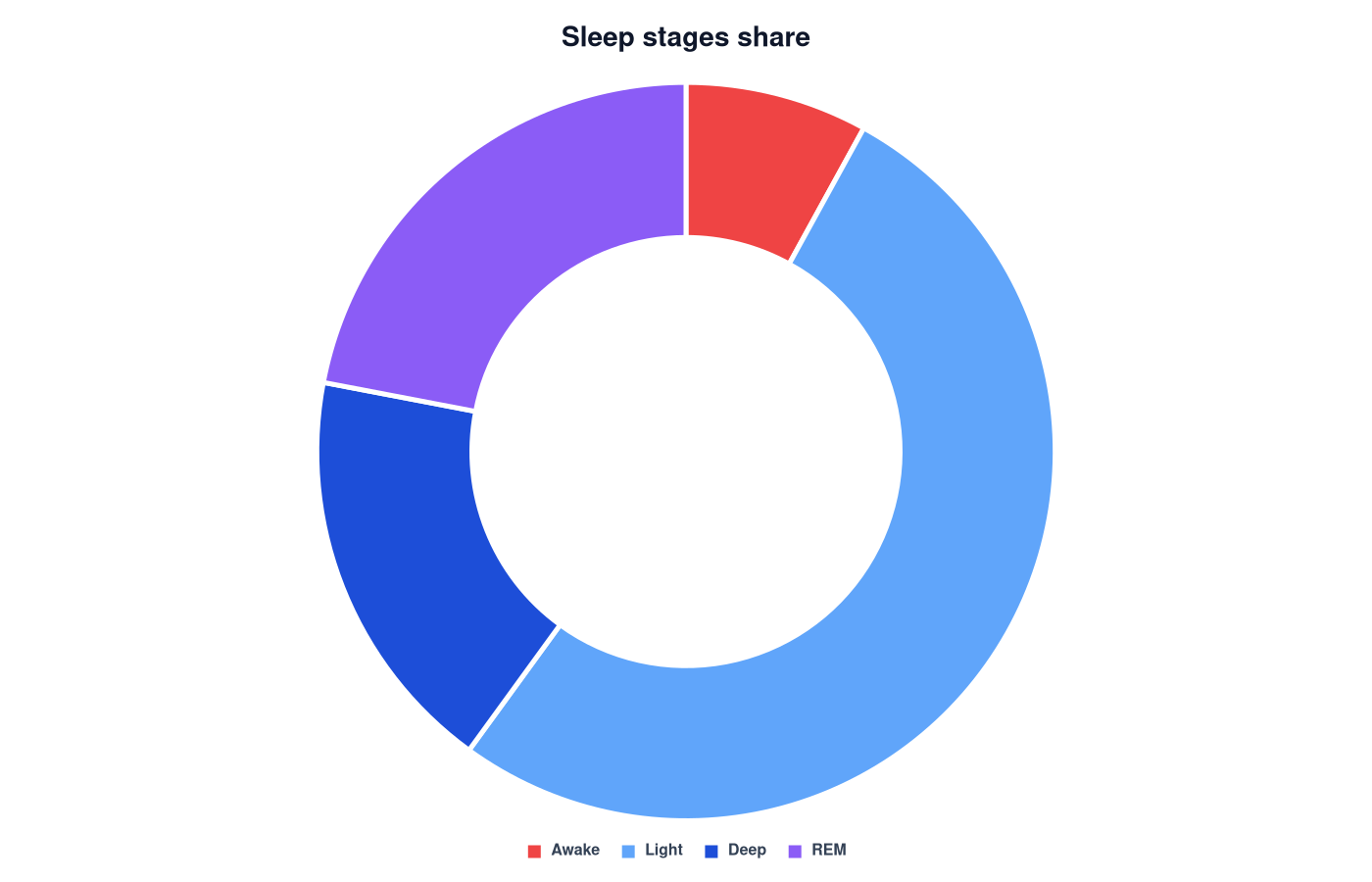
Schlafphasen Chart
Schlafphasen Charts zeigen die Verteilung von Leichtschlaf, Tiefschlaf und REM Schlaf.
Chart ansehen →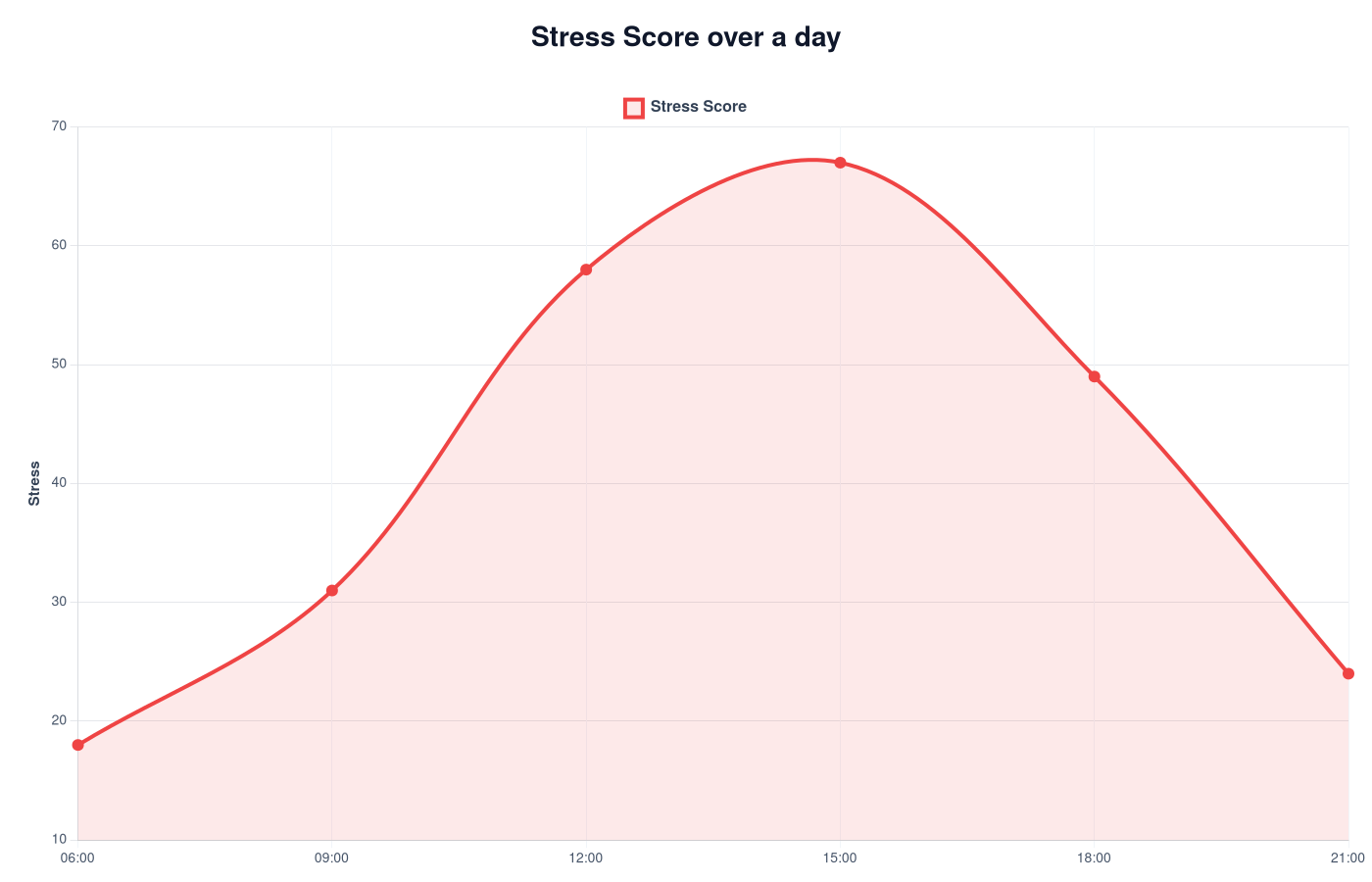
Stress Score Chart
Stress Score Charts zeigen typische Stressbereiche und helfen Wearable Stresssignale zu interpretieren.
Chart ansehen →