
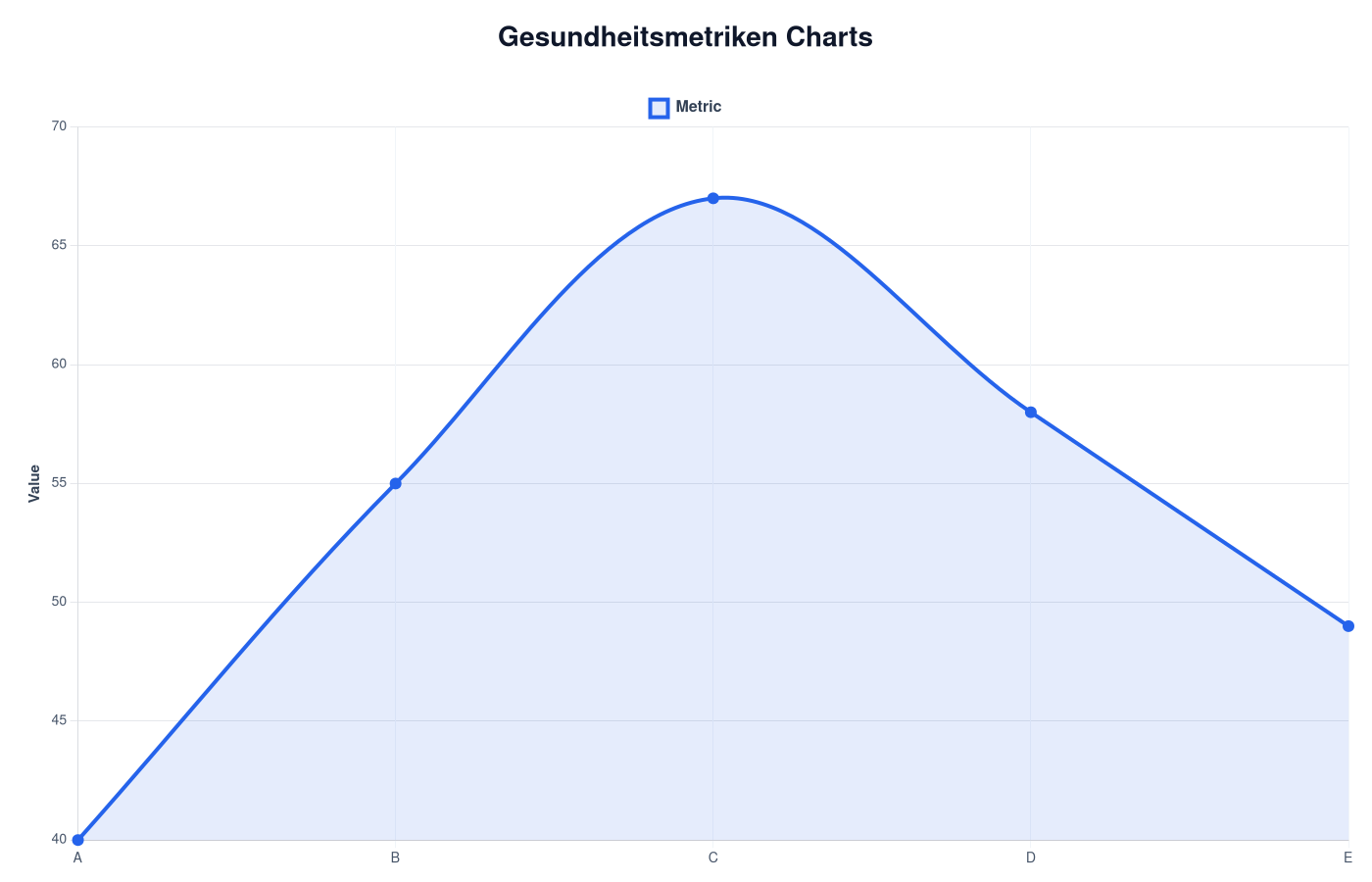
Gesundheitsmetriken Charts
Wearables erzeugen viele Gesundheitsdaten. Charts helfen diese Werte besser einzuordnen.
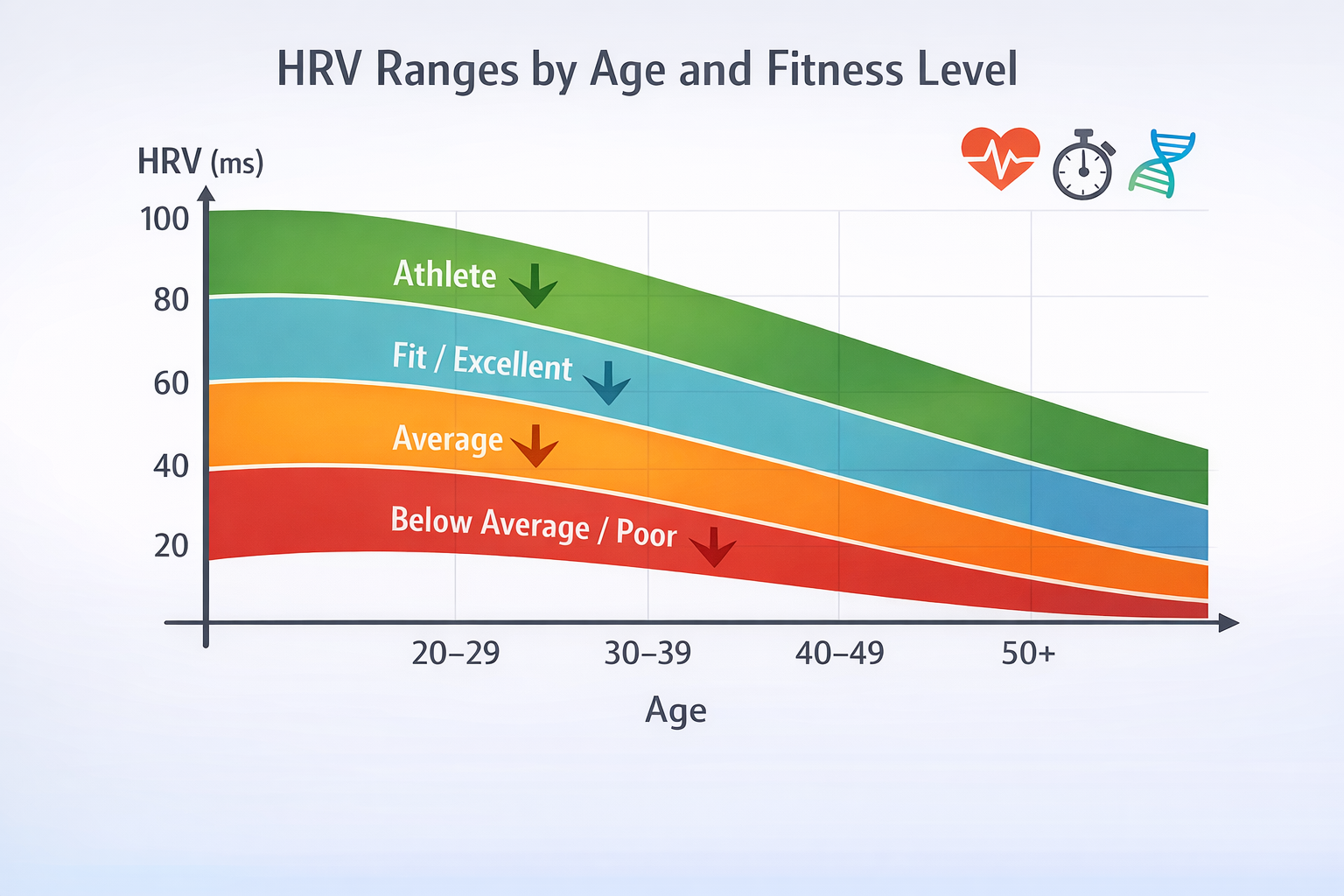
HRV Chart
Typische Bereiche der Herzratenvariabilität und wie man HRV Werte interpretiert.
Chart ansehen →
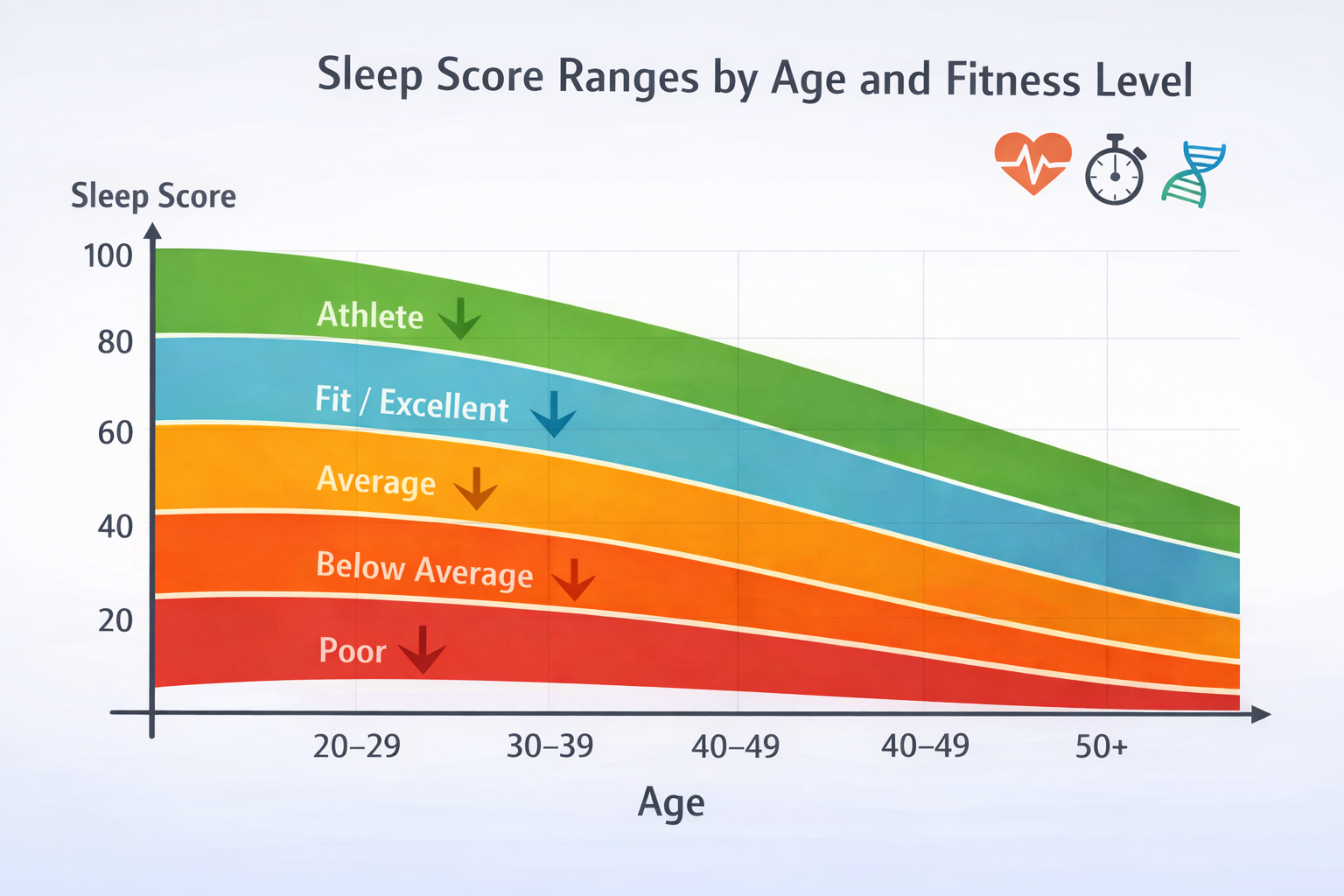
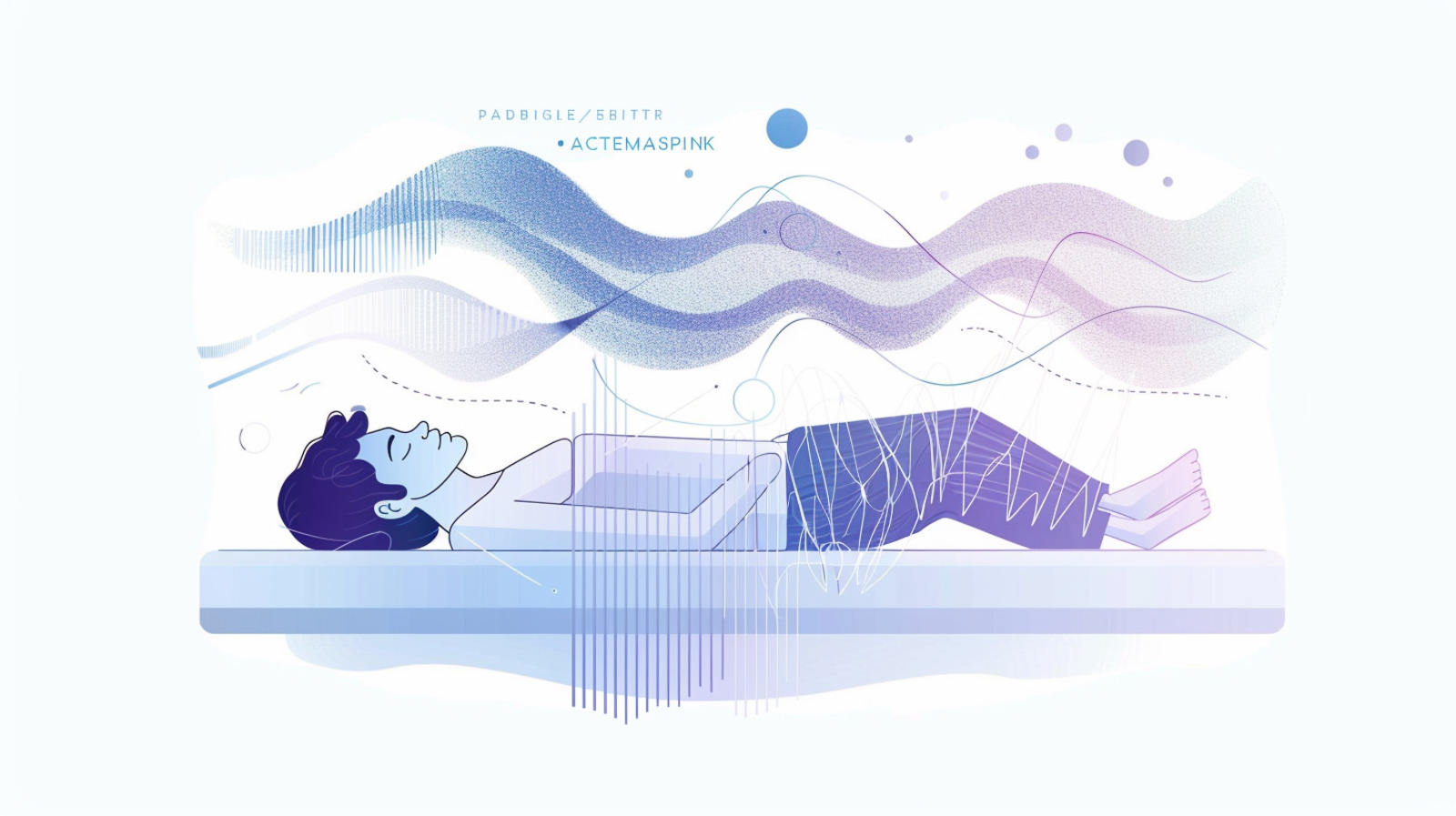
Sleep Score Chart
Verstehe wie Schlafscores deine Schlafqualität und Erholung widerspiegeln.
Chart ansehen →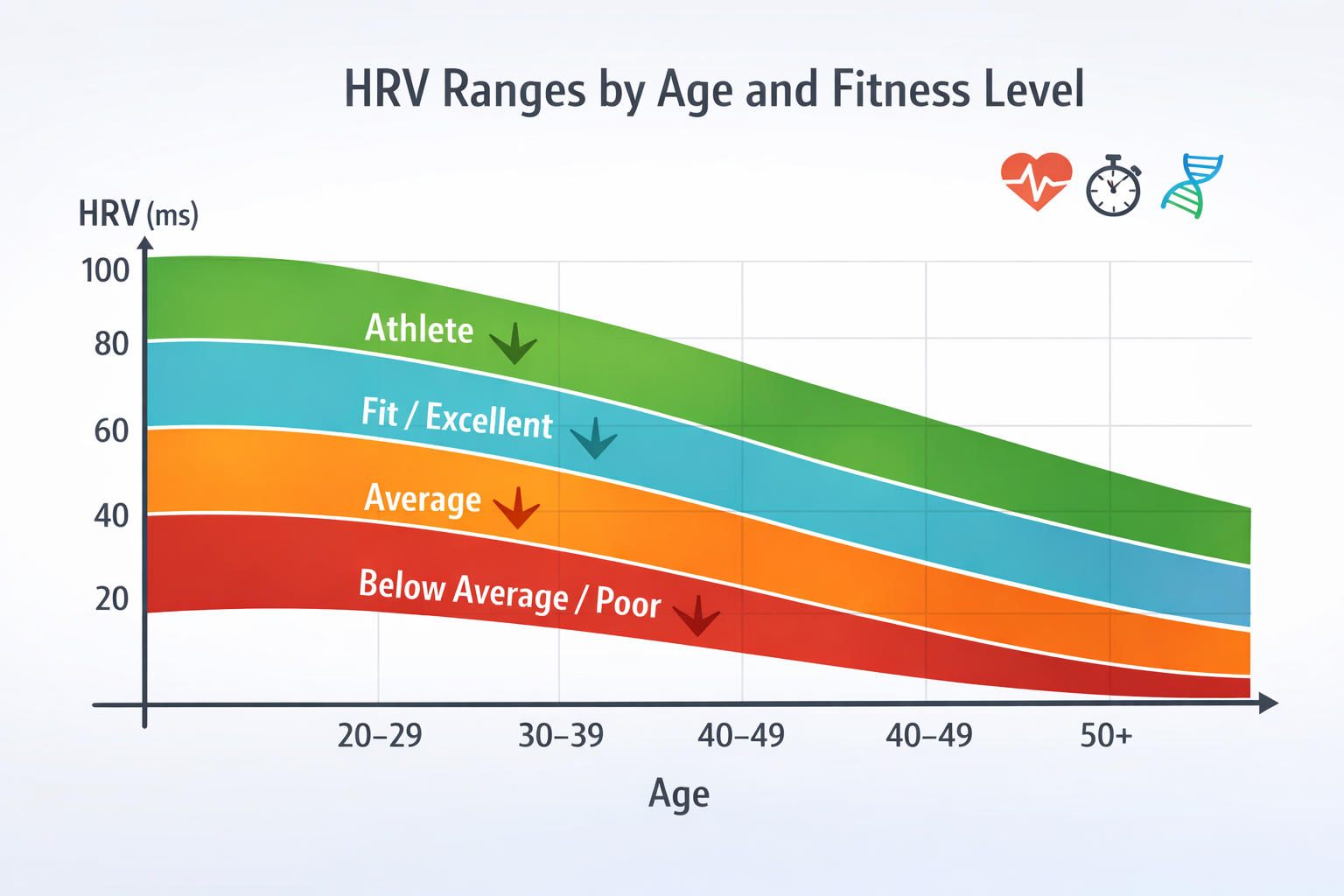
Sleep Efficiency Chart
Schlafeffizienz zeigt wie viel Zeit im Bett tatsächlich geschlafen wird.
Chart ansehen →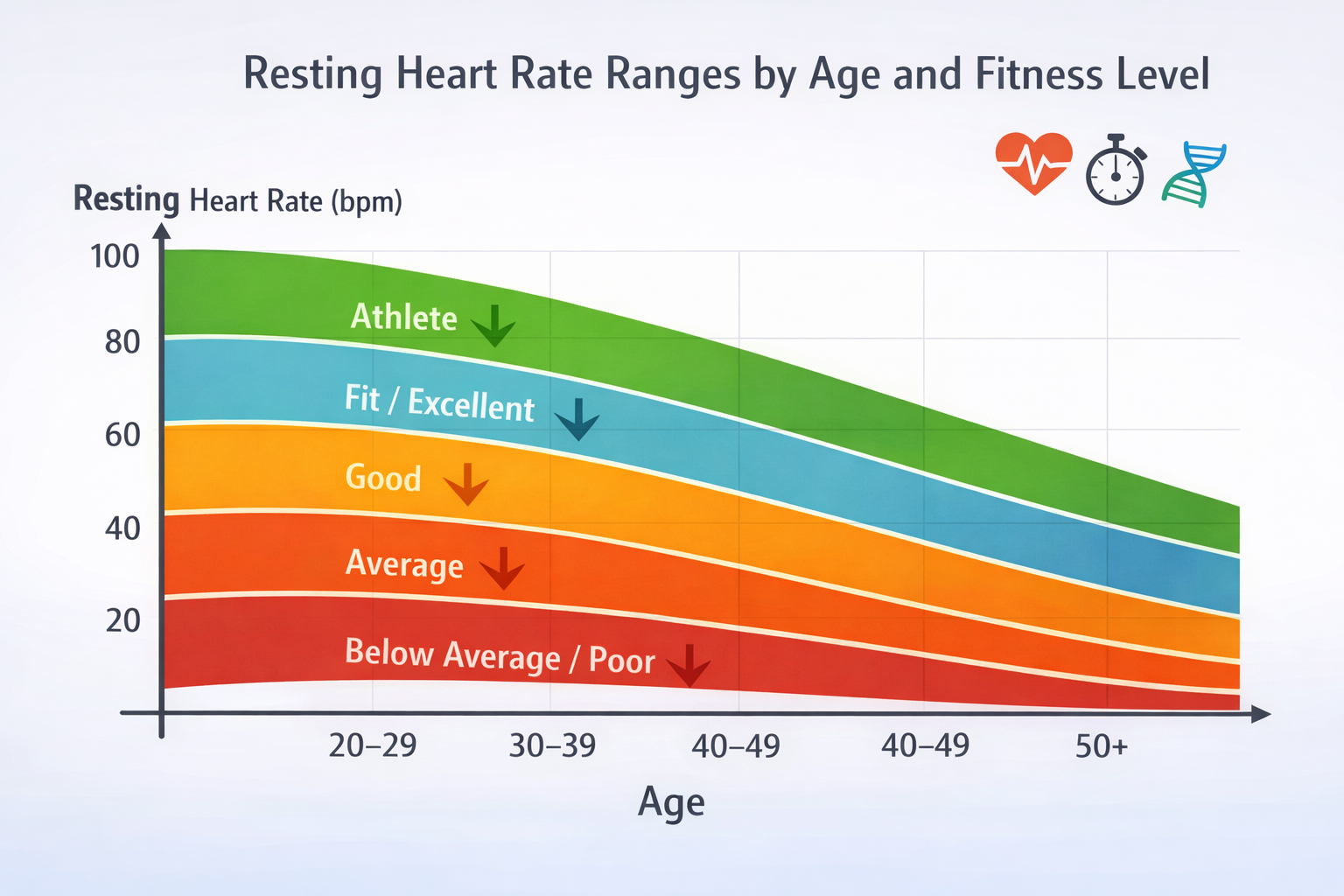
Resting Heart Rate Chart
Vergleiche Ruhepulsbereiche und ihre Bedeutung für Herzgesundheit.
Chart ansehen →Understanding Gesundheitsmetriken Charts: A Guide to Your Health Data
In the age of technology, wearable devices have transformed the way we monitor our health. One of the popular features integrated into these devices is Gesundheitsmetriken Charts, which provide users with crucial insights about their health metrics. This article will delve into the explanation, interpretation, wearable relevance, and practical uses of Gesundheitsmetriken Charts to help you make the most of your health data.
What Are Gesundheitsmetriken Charts?
Gesundheitsmetriken, or health metrics, refer to quantifiable data that reflects various aspects of an individual's health and well-being. These metrics are usually accumulated through wearable technology such as fitness trackers, smartwatches, and health-monitoring devices. Gesundheitsmetriken Charts visually represent this data, allowing users to better understand their physical activity, heart rate, sleep patterns, and more.
Key Features of Gesundheitsmetriken Charts
- Real-time Monitoring: Tracks health metrics in real-time, providing immediate feedback on your physical activity and other metrics.
- Data Visualization: Presents complex health data in a simplified graphical format, making it easy for users to interpret and understand their health trends.
- Trend Analysis: Shows historical data over time, allowing users to see improvements or declines in their health metrics.
Interpreting Gesundheitsmetriken Charts
Understanding Gesundheitsmetriken Charts requires a grasp of what the data represents. Here are some common metrics you may find in these charts:
Common Health Metrics:
- Heart Rate (HR): Displays beats per minute; helps gauge fitness levels and alertness.
- Sleep Patterns: Shows duration and quality of sleep, identifying issues like insomnia or sleep apnea.
- Activity Levels: Tracks steps taken, calories burned, and exercise intensity.
- Blood Pressure: Monitors systolic and diastolic levels to identify potential health issues.
- Oxygen Saturation (SpO2): Measures the amount of oxygen in your blood, indicating respiratory health.
Interpreting Data Points:
- Trends: Look for patterns over days, weeks, or months. A consistent increase in heart rate or decline in sleep quality may indicate a need for lifestyle changes.
- Benchmarks: Compare your metrics with standard health benchmarks. Are you within a healthy range, or are there areas that need improvement?
- Variation: Watch for fluctuations. For instance, an erratic heart rate can indicate stress or medical issues requiring attention.
Wearable Relevance
With advancements in technology, wearables are becoming smarter and more sophisticated, offering various functionalities that enhance their relevance in our health management.
Why Wearables Matter:
- Data Accuracy: Today's wearable devices use advanced sensors to provide accurate readings of health metrics.
- User Engagement: Gamification and reminders help users stay motivated to meet their health goals.
- Health Insights: Continuous monitoring leads to actionable insights, promoting proactive health management.
- Integration with Health Platforms: Many wearables sync with health apps, allowing for comprehensive health tracking in one location.
Practical Uses of Gesundheitsmetriken Charts
Here are some practical ways to utilize Gesundheitsmetriken Charts in your daily life:
1. Setting Fitness Goals:
- Use activity metrics to establish achievable daily or weekly fitness objectives.
- Understand which physical activities yield the best results for caloric burn.
2. Improving Sleep Hygiene:
- Analyze sleep data to identify factors affecting your sleep quality.
- Experiment with different bedtime routines based on sleep insights.
3. Monitoring Stress Levels:
- Track heart rate variability (HRV) trends to identify patterns related to stress.
- Incorporate relaxation techniques if your metrics indicate elevated stress levels.
4. Making Lifestyle Changes:
- Recognize patterns related to diet, exercise, and overall wellbeing through graph evaluations.
- Adjust dietary choices according to activity levels and energy demands displayed in your charts.
5. Consulting Healthcare Providers:
- Use your collected health data to have informed discussions with your doctor.
- Share specific trends or irregularities that might warrant further investigation.
Conclusion
Gesundheitsmetriken Charts are powerful tools that can improve your understanding of your health and wellness. By analyzing these charts from your wearable devices, you can set realistic goals, monitor your progress, and make informed decisions to enhance your quality of life. Embrace the potential of wearable technology and leverage your health data to achieve better health outcomes today!
Verstehe deine Gesundheitsdaten
LongLife Scan analysiert Wearable-Gesundheitsdaten und hilft dir, Muster in Stress, Schlaf und Erholung zu verstehen.
LongLife Scan ausprobierenVerwandte Metriken
HRV Metrik
Heart rate variability shows how your nervous system responds to stress and recovery.
Metrik ansehen →
Gesundheitsmetriken
Übersicht wichtiger Wearable Gesundheitsmetriken wie HRV, VO2max und Schlaf.
Metrik ansehen →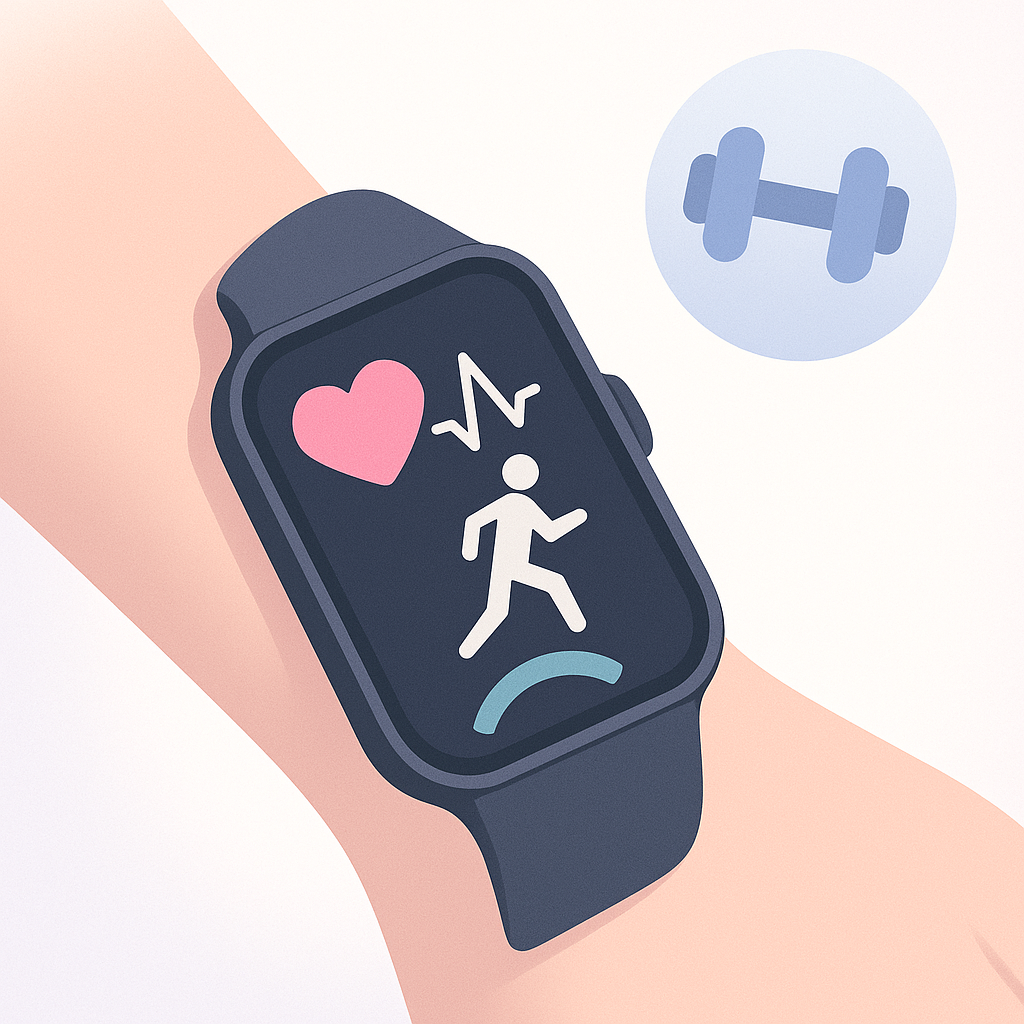
Verwandte Charts
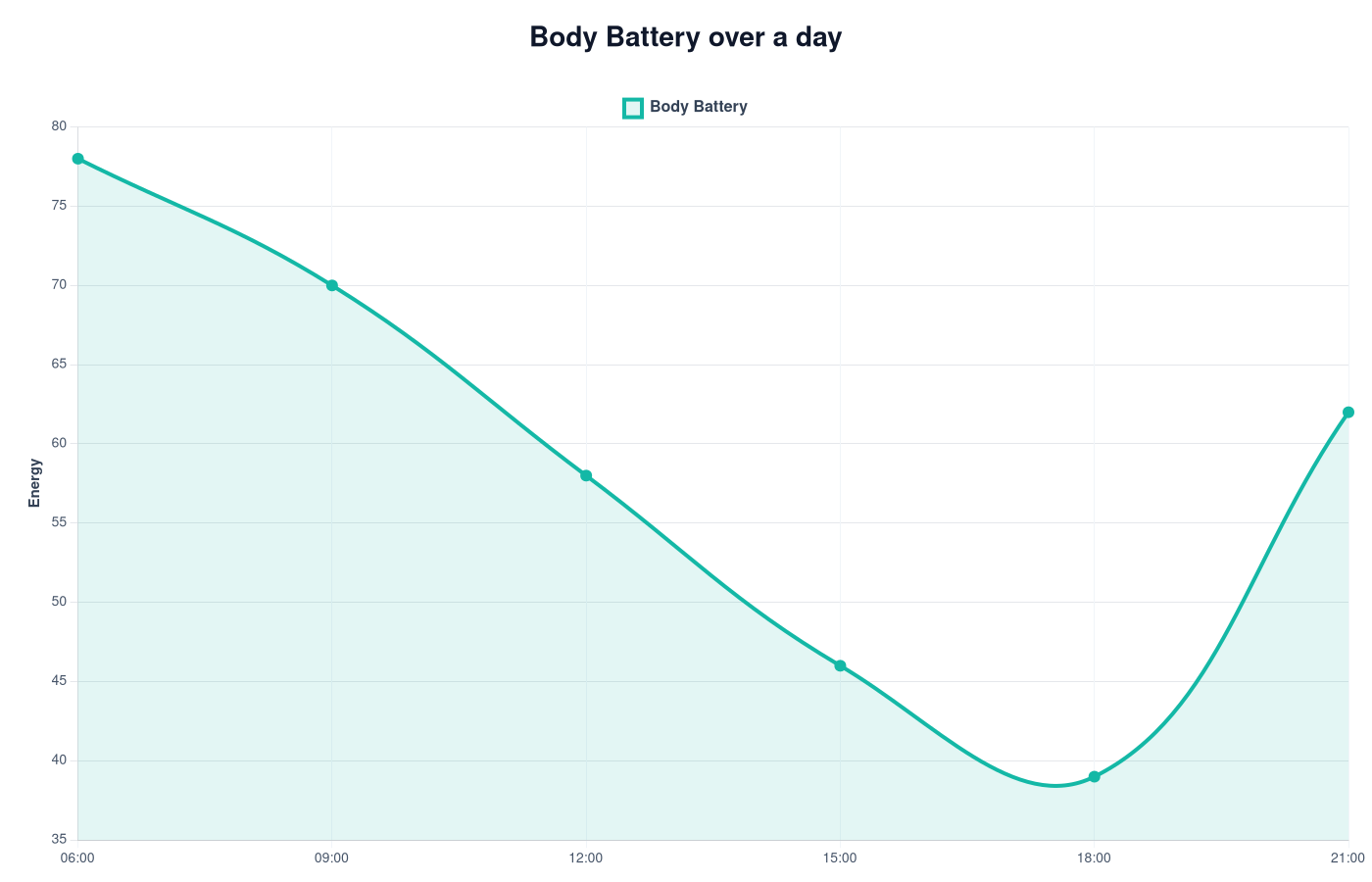
Body Battery Chart
Body Battery Charts zeigen, wie Wearables Energie und Erholung über den Tag schätzen.
Chart ansehen →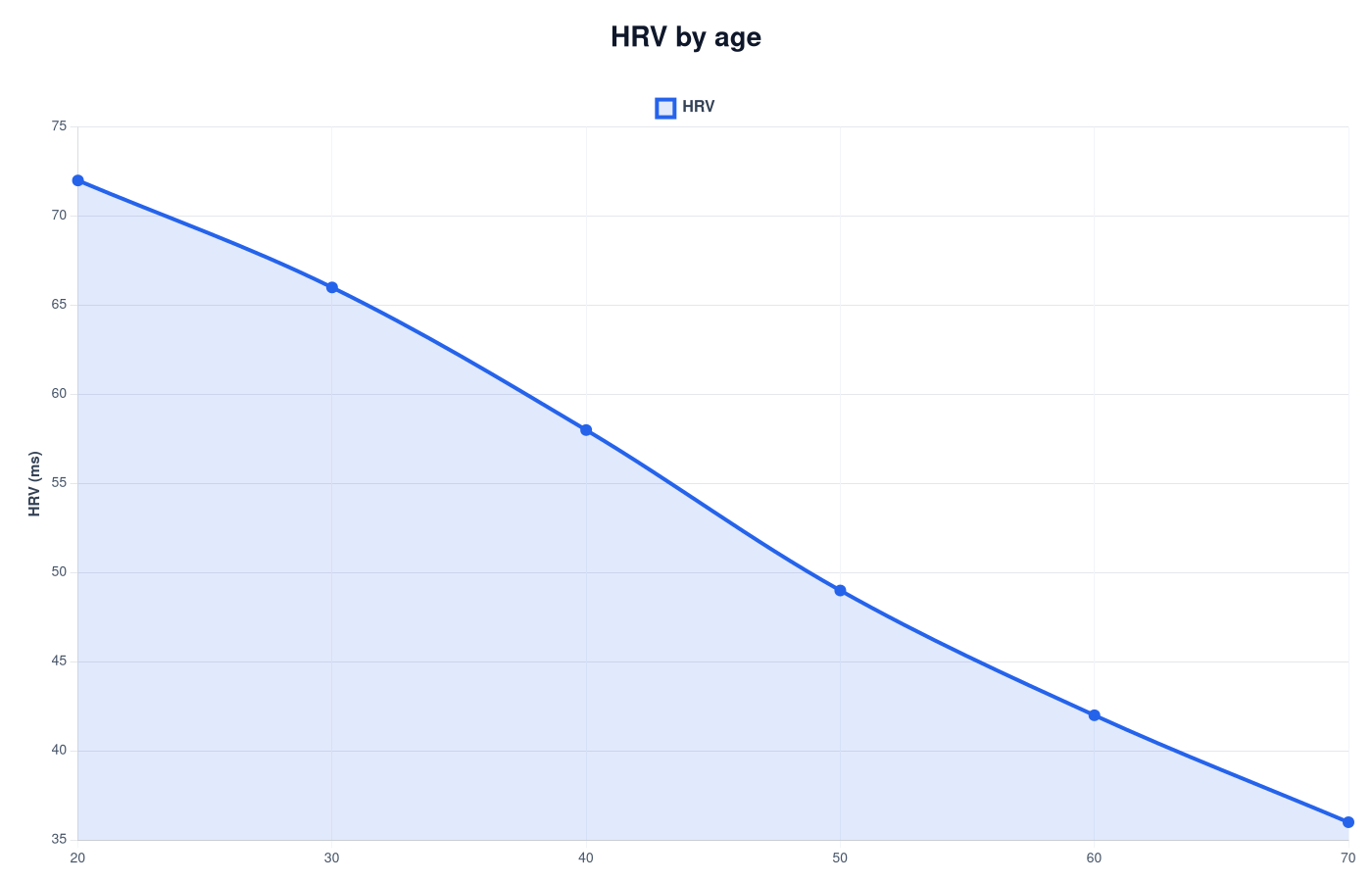
HRV Chart – typische HRV Bereiche
HRV Charts zeigen typische Bereiche der Herzratenvariabilität und helfen Werte besser einzuordnen.
Chart ansehen →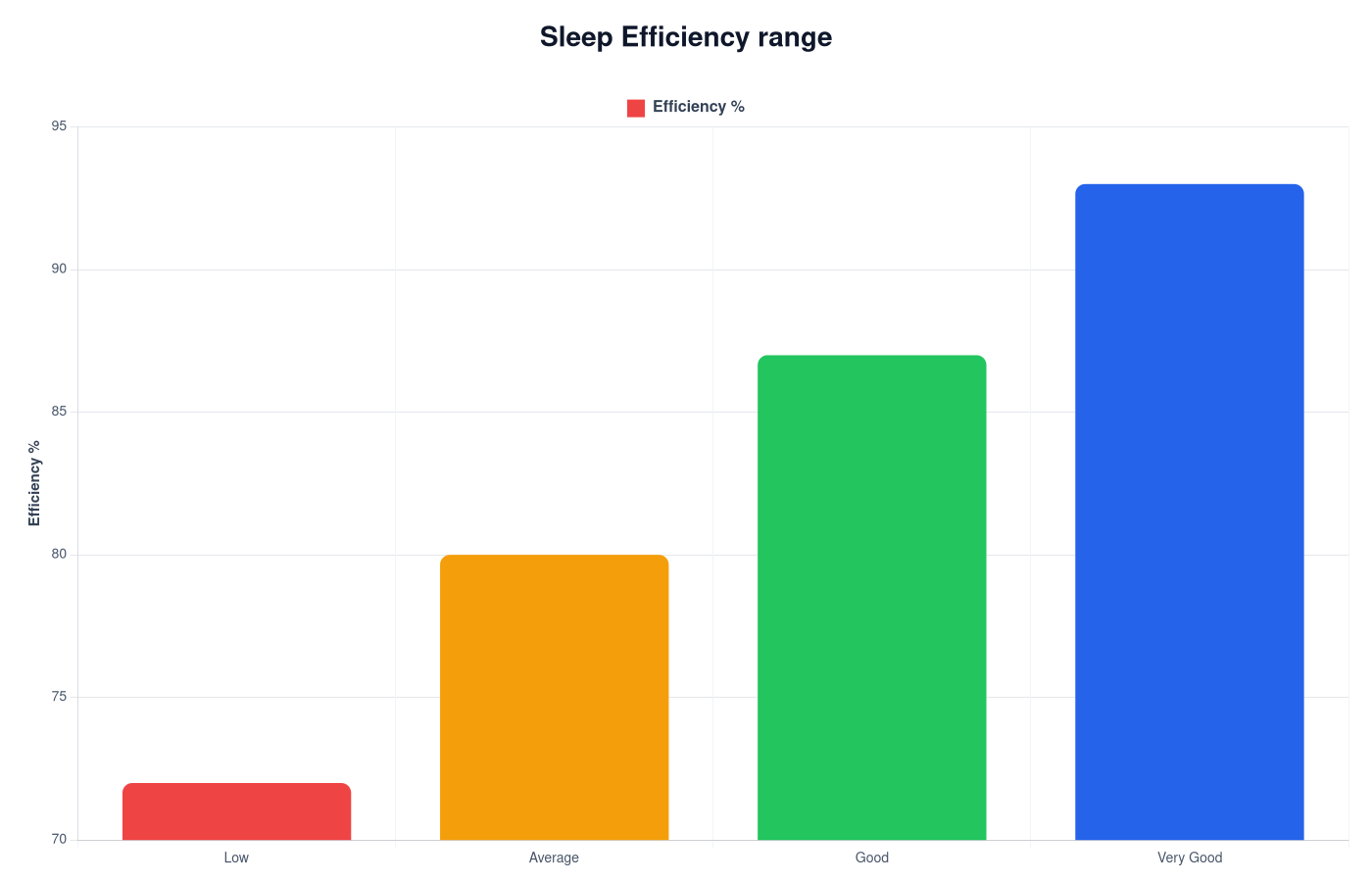
Schlafeffizienz Chart
Schlafeffizienz Charts zeigen, wie viel Zeit im Bett tatsächlich geschlafen wird und helfen die Schlafkontinuität besser einzuordnen.
Chart ansehen →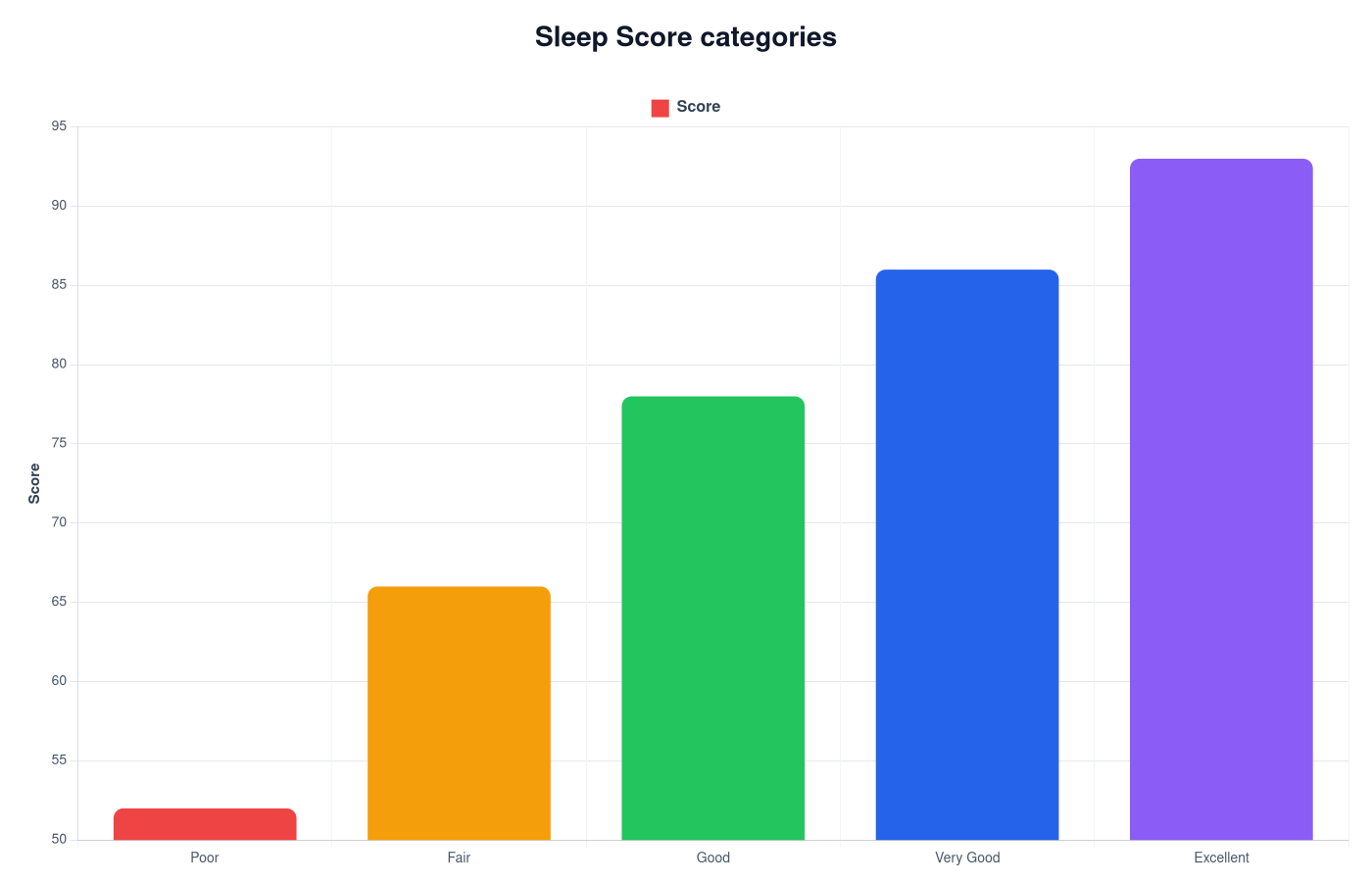
Schlafscore Chart
Schlafscore Charts zeigen typische Scorebereiche und helfen Wearable Schlafbewertungen zu verstehen.
Chart ansehen →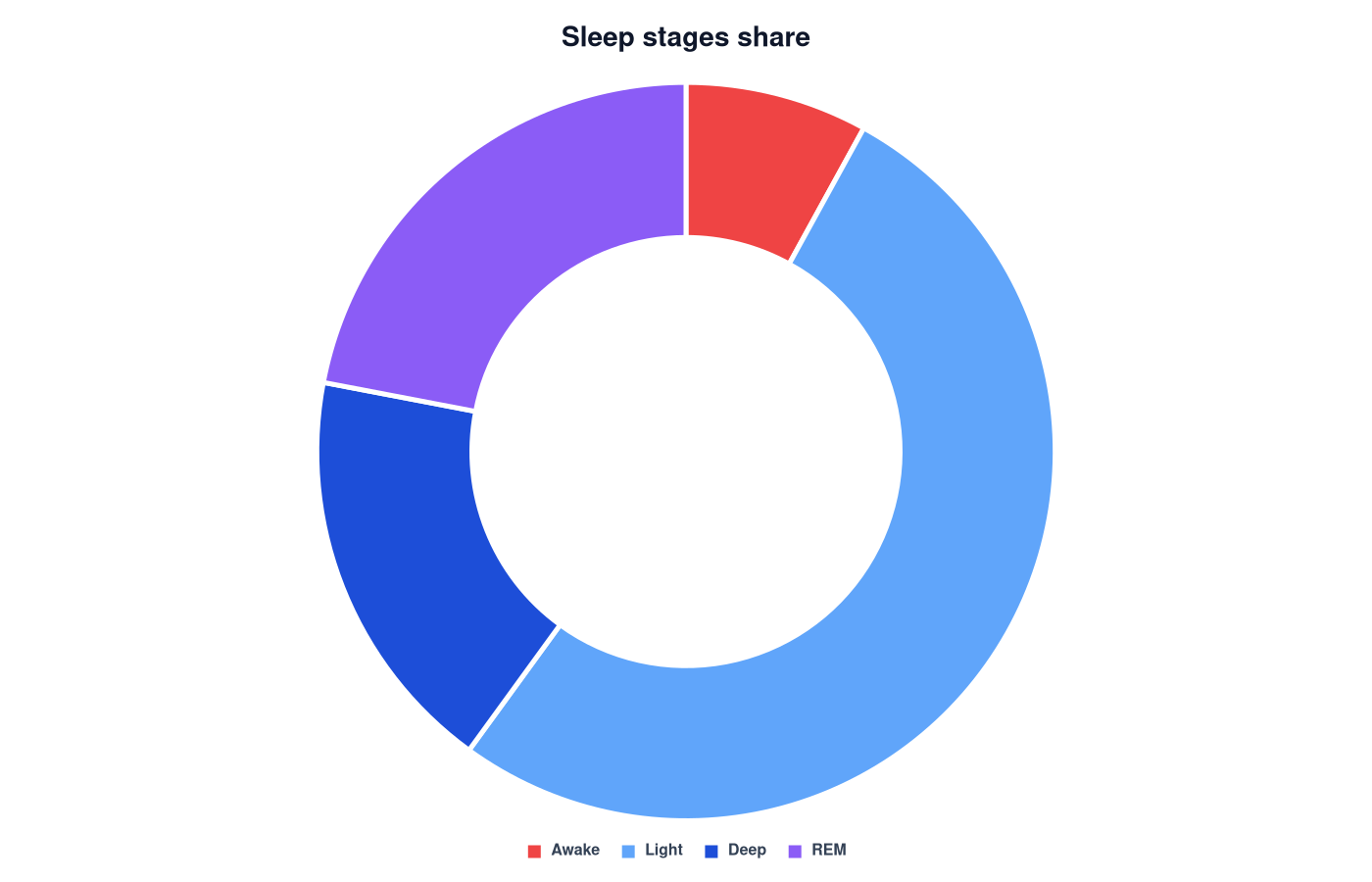
Schlafphasen Chart
Schlafphasen Charts zeigen die Verteilung von Leichtschlaf, Tiefschlaf und REM Schlaf.
Chart ansehen →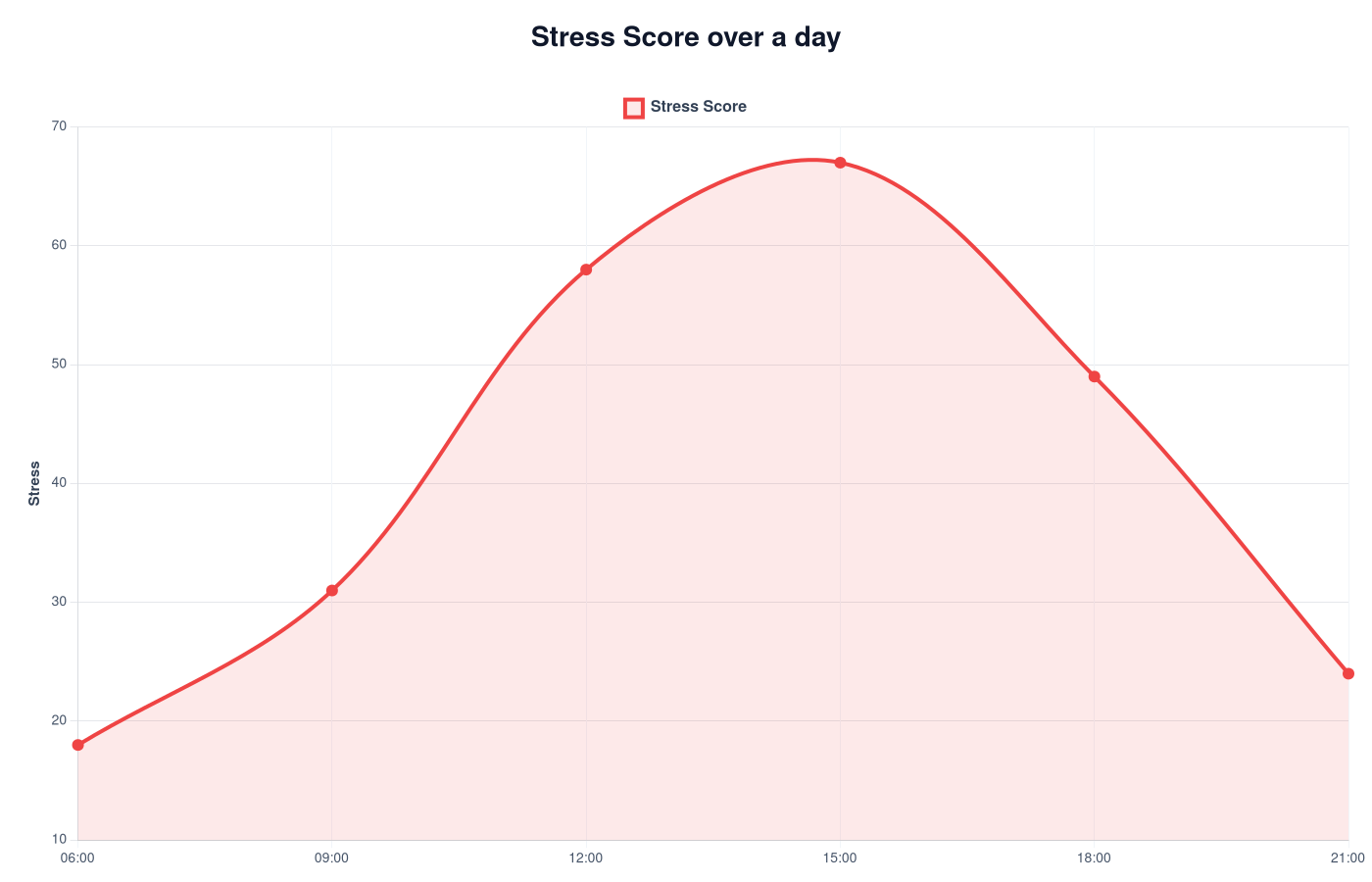
Stress Score Chart
Stress Score Charts zeigen typische Stressbereiche und helfen Wearable Stresssignale zu interpretieren.
Chart ansehen →